ERBIL, Kurdistan Region of Iraq – Iraqi Prime Minister Ali al-Zaidi on Tuesday directed the formation of a draft law for restricting weapons to the state, describing rogue weapons as the “most serious threat” to the country, with an end-September deadline in place for armed groups to hand over all weapons.
Baghdad has repeatedly affirmed adherence to a September 30 deadline for armed groups outside state control to hand over weapons to the government, stressing that elements using Iraqi territory as a launching pad for attacks will be considered “criminals” and prosecuted under the counter-terrorism law after the date.
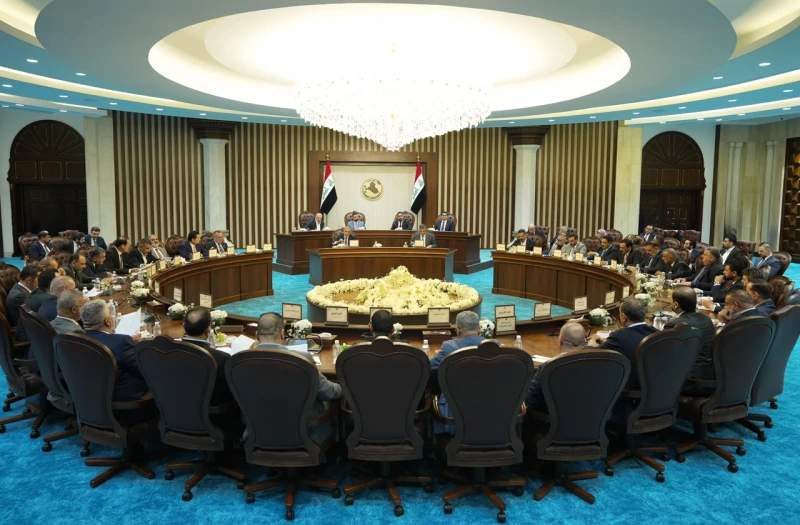
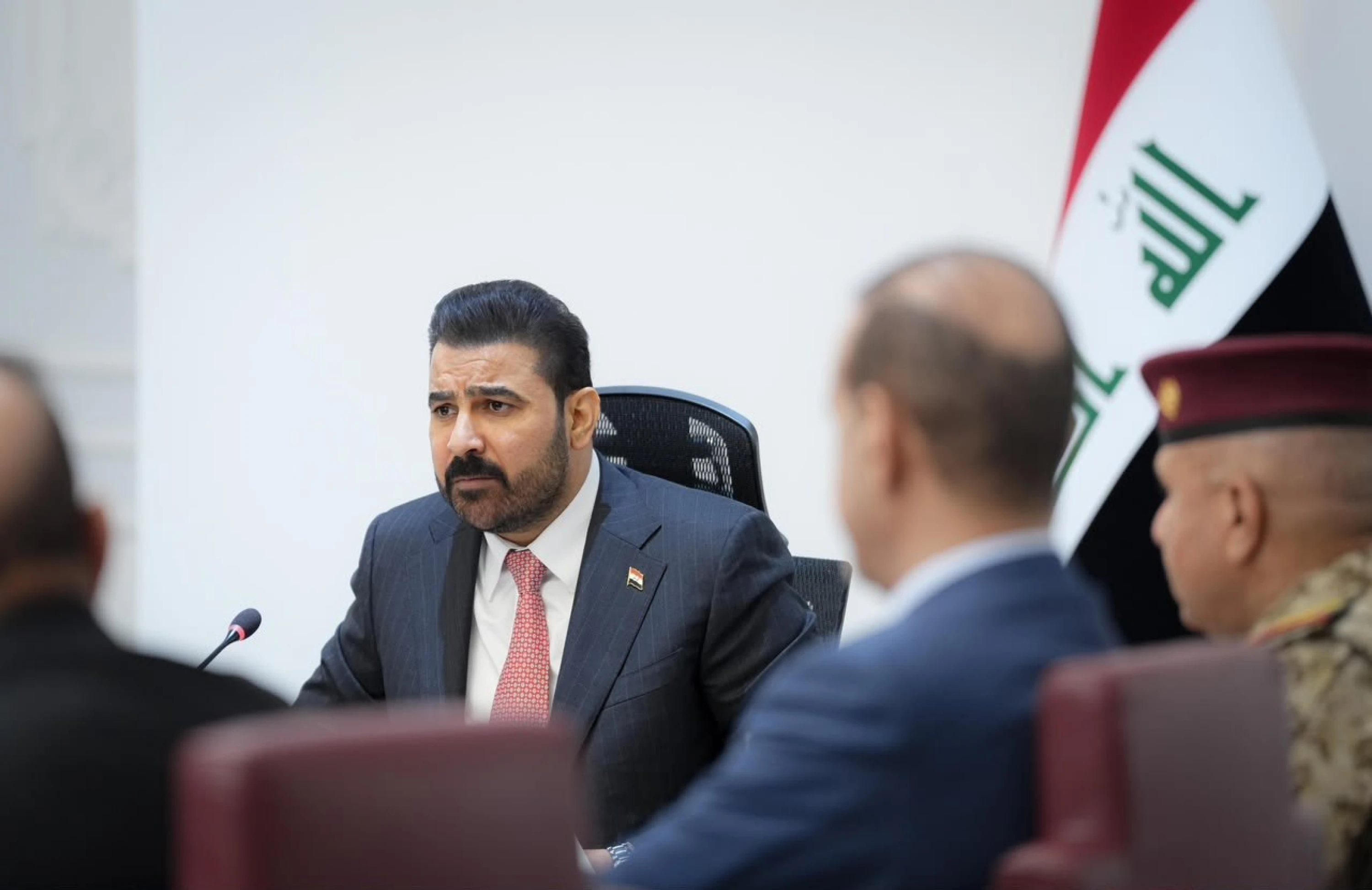
In a meeting with the Iraqi parliament’s security and defense committee, Zaidi “directed the preparation of a draft law to restrict possession of weapons to the state, in accordance with constitutional procedures,” said a statement from his office.
“The most serious threat to the state is the proliferation of uncontrolled weapons, as it undermines the rule of law and weakens the prestige of security institutions,” Zaidi said.
Zaidi has been particularly vocal about the disarmament initiative, asserting that the armed groups must lay down their weapons, especially as US-led coalition troops, who were brought to help defeat ISIS, are set to also complete their withdrawal by the end of September.
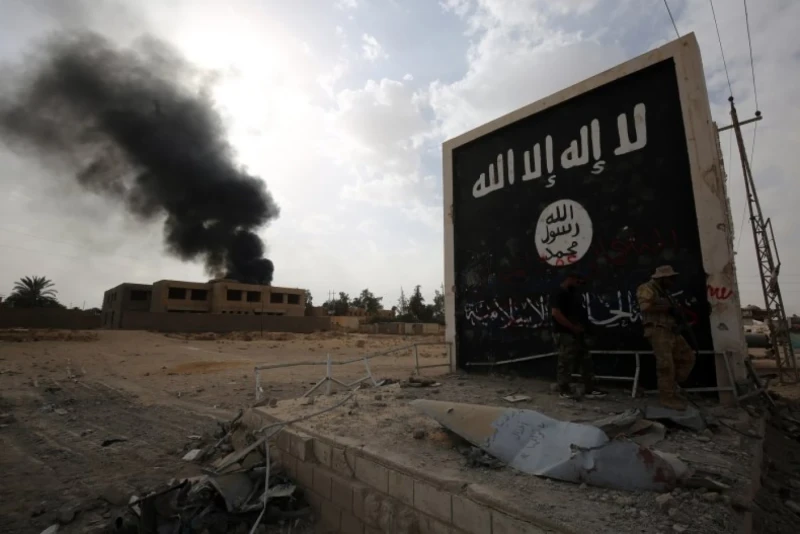
The armed groups – many of which have strong ties to Iran – initially helped defeat the Islamic State (ISIS) but then shifted to also attacking American personnel and interests as tensions soared between Washington and Tehran in the following years.
The disarmament initiative in Iraq is heavily backed by the US, which has long pushed for those groups – many of whom have attacked American bases in the region – to be disarmed.
While several pro-Iran armed factions have announced their willingness to hand over their weapons and integrate into the state security apparatus, others have expressed skepticism.
On Friday, Iraq’s Security Media Cell affirmed that “there is no turning back” from Baghdad’s policy to restrict weapons to the state, saying the process will ensure a “more stable environment for future generations.”
 Facebook
 LinkedIn
 Telegram
 X
X