ERBIL, Kurdistan Region of Iraq – The peace process in Turkey cannot advance without Kurdistan Workers’ Party (PKK) founder Abdullah Ocalan playing a directing role, a senior party commander said regarding the recently passed framework bill that makes no commitment to freeing the imprisoned leader.
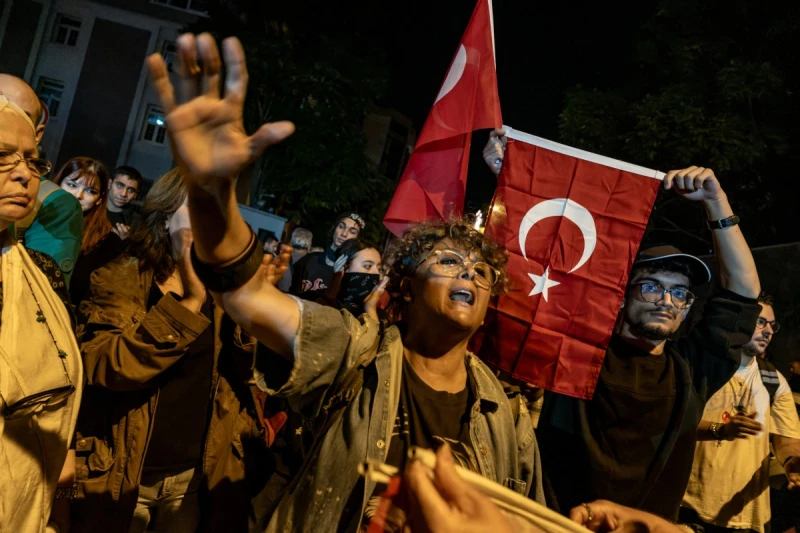
On Monday night, the Turkish parliament voted to adopt a historic bill that outlines the legal framework for the peace process with the PKK, marking a substantial step forward in ending the decades-long conflict that claimed tens of thousands of lives.
Titled the "Law Proposal on Strengthening National Solidarity and Social Integration," the legislation was approved with 468 votes in favor, 88 votes against, and six abstentions after roughly 12 hours of deliberations.
“This law is, of course, important in its current context; it has many aspects that can be criticized,” Mustafa Karasu, a senior PKK commander, told Medya Haber in a televised interview aired late Tuesday, adding that it can also be considered “as the beginning of a legal and political solution, of entering into a political process.”
Criticizing the bill, Karasu first said, “It’s a very overdue law,” citing Ocalan’s historic February 2025 call for the group to disarm, while also noting that referring to the group as a “terrorist organization” makes no sense and saying the failure to mention the Kurdish problem or the word “Kurds” is “a significant shortcoming.”
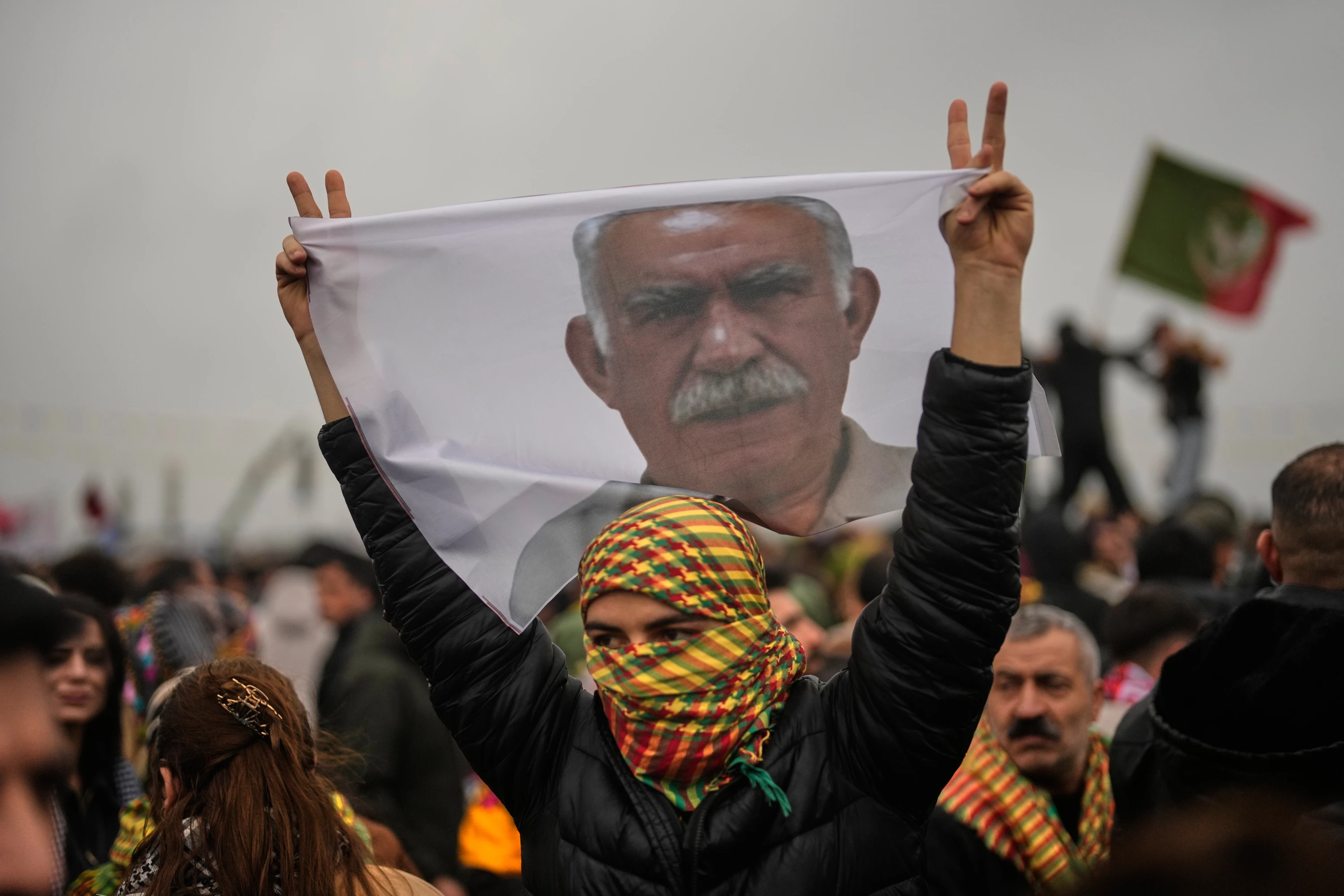
Regarding Ocalan’s position in the peace process, Karasu said all parties and people know that “the chief negotiator of the people is Ocalan,” while recalling far-right Turkish politician Devlet Bahceli’s earlier calls for his release as a means of securing a lasting peace.
Bahceli in August asserted that the imprisoned leader should "should regain his right to hope," referencing a legal framework established by the European Court of Human Rights (ECtHR) asserting that a prisoner serving a life sentence should have the right to the prospect of conditional release based on periodic reviews.
The ECtHR has previously found Turkey to be in breach of the clause regarding the Ocalan case, indicating that the PKK leader has had no realistic prospect of release and no meaningful review mechanism exists.
“Such a statement has been made. This is a commitment,” Karusu continued.
“The fact that Leader Apo's [Ocalan] position is not specified in this law is a deficiency,” the senior PKK commander said.
“If Leader Apo is not at the center of this matter, if he does not play a role in managing and directing this process, it is impossible to realize what is stated in that law. For it to happen, Leader Apo needs to play a role. He needs to manage it,” he added.
Long awaited by Kurdish political forces, the adopted bill marks the largest legislative step ever taken by the Turkish state toward ending the conflict, coming after Ocalan's historic call for the group to lay down its weapons and pursue its aims through wholly non-violent means.
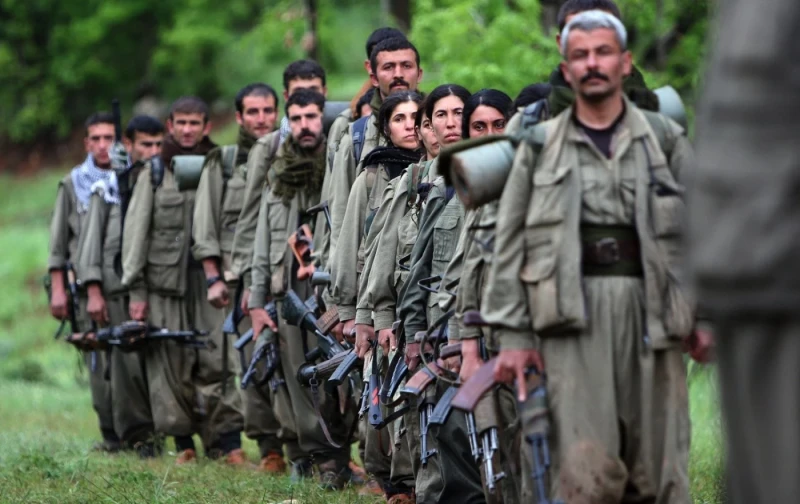
The armed group, which battled Ankara for over four decades, subsequently agreed to dissolve itself, withdrawing from military positions in the Kurdistan Region of Iraq and engaging in a ceremonial disarmament ceremony in Sulaimani in July 2025.
“This law is not a law that solves or brings a solution to the Kurdish problem. But it should be considered as the first step of an approach that aims for that,” he said while stressing it could be “considered as the beginning of a legal and political solution, of entering into a political process.”
Despite offering former fighters a pathway to civilian integration, the legislation, in the eyes of the PKK, does not go far enough in reforming the nature of the Turkish state, with Turkish Parliament Speaker Numan Kurtulmus on Wednesday saying that "n none of the processes related to the 'Terror-Free Turkey' report, has a discussion about the fundamental characteristics of the state been brought up."
However, the PKK “definitely wants to bring this process to success,” Karusu said, adding that “we will do our part to ensure that this initial step results in democratization and a solution to the Kurdish problem.”
The Turkish bill aims to facilitate the reintegration of former PKK fighters into society and will apply to those who notify authorities in writing "of their intention to benefit from these provisions" within six months of the National Security Council confirming that the PKK has completely ended its operations, surrendered its weapons and ammunition, and "ceased their actual existence," according to the state-run Anadolu Agency.
The bill does not establish a general amnesty for former PKK fighters. Instead, it aims to establish legal procedures for matters involving the postponement of certain sentences and the handling of ongoing prosecutions, according to state media.
 Facebook
 LinkedIn
 Telegram
 X
X