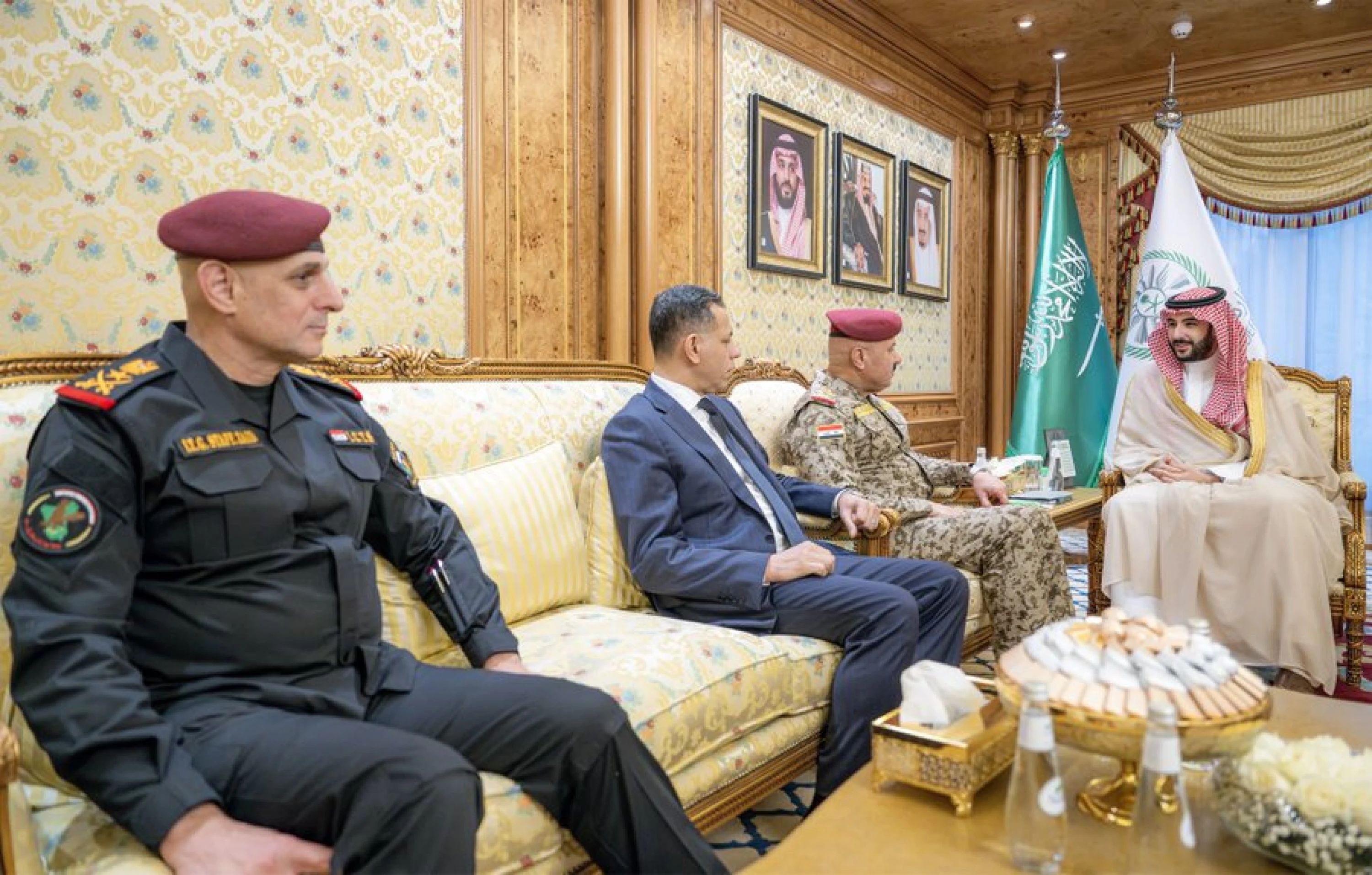
ERBIL, Kurdistan Region of Iraq - A high-level delegation of Iraqi security officials traveled to Saudi Arabia on Thursday following recent Saudi airstrikes targeting pro-Iran militias within Iraq, with the Saudi defense minister affirming that Riyadh "will always stand with Iraq to support its security and stability."
The Iraqi contingent featured intelligence chief Hamid al-Shatri, Abdul Amir al-Shammari, director of Commander-in-Chief Ali al-Zaidi’s office, and head of the Iraqi Counter-Terrorism Service Zaid al-Moussawi and was sent with a brief of discussing shared defense issues and drone attacks on the Kingdom allegedly carried out from Iraqi soil.
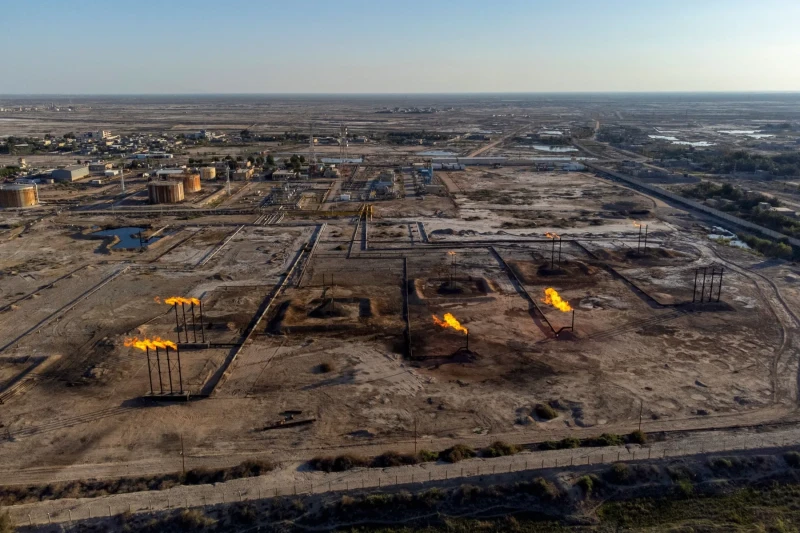
In recent months, Riyadh has increasingly voiced its frustration with a number of attacks on Saudi oil infrastructure allegedly orchestrated by Iran-aligned Iraqi militias, culminating in joint US-Saudi airstrikes across large swatches of Iraq in late July.
In messages conveyed to Zaidi through mediators, Saudi Arabia has accused the Badr Organization and Kataib Hezbollah, the most influential and organized Iran-backed Iraqi Shiite armed groups, of being behind the attacks targeting the country’s oil facilities in recent weeks, senior Popular Mobilization Forces (PMF) officials told The New Region.
Saudi Defense Minister Khalid bin Salman received the Iraqi delegation on Thursday, saying that they "reviewed the Saudi-Iraqi relations in the military and defense fields, discussed the regional developments, and affirmed the importance of continuing coordination and cooperation between our two countries."
"Iraq will remain a dear neighbor to us, bound to its brotherly government and people by ties of brotherhood, solidarity, and mutual support," bin Salman wrote on X.
"The Kingdom will always stand with Iraq to support its security and stability, and its development and prosperity, for the benefit of Iraq and its brotherly people."
Since assuming office, Prime Minister Ali al-Zaidi has sought to rein in militia activity in Iraq, with recurrent strikes on neighboring countries, under the backdrop of the US war with Iran, having caused significant diplomatic embarrassment and threatened the domestic economy.
An Iraqi parliamentary fact-finding committee said it has received “confirmed information” that Zaidi held an emergency meeting with security officials, including Popular Mobilization Commission (PMC) chief Falih al-Fayyadh, three hours before the US-Saudi attack began on July 29, informing them about the incoming strikes and calling on them to "take precautions and evacuate the headquarters."
However, the failure to disseminate the foreknowledge of the strikes to the rank-and-file PMF members resulted in at least 20 members of the umbrella organization, which officially operates under state control but contains many factions with intimate ties to Iran, being killed in the bombardment.
 Facebook
 LinkedIn
 Telegram
 X
X