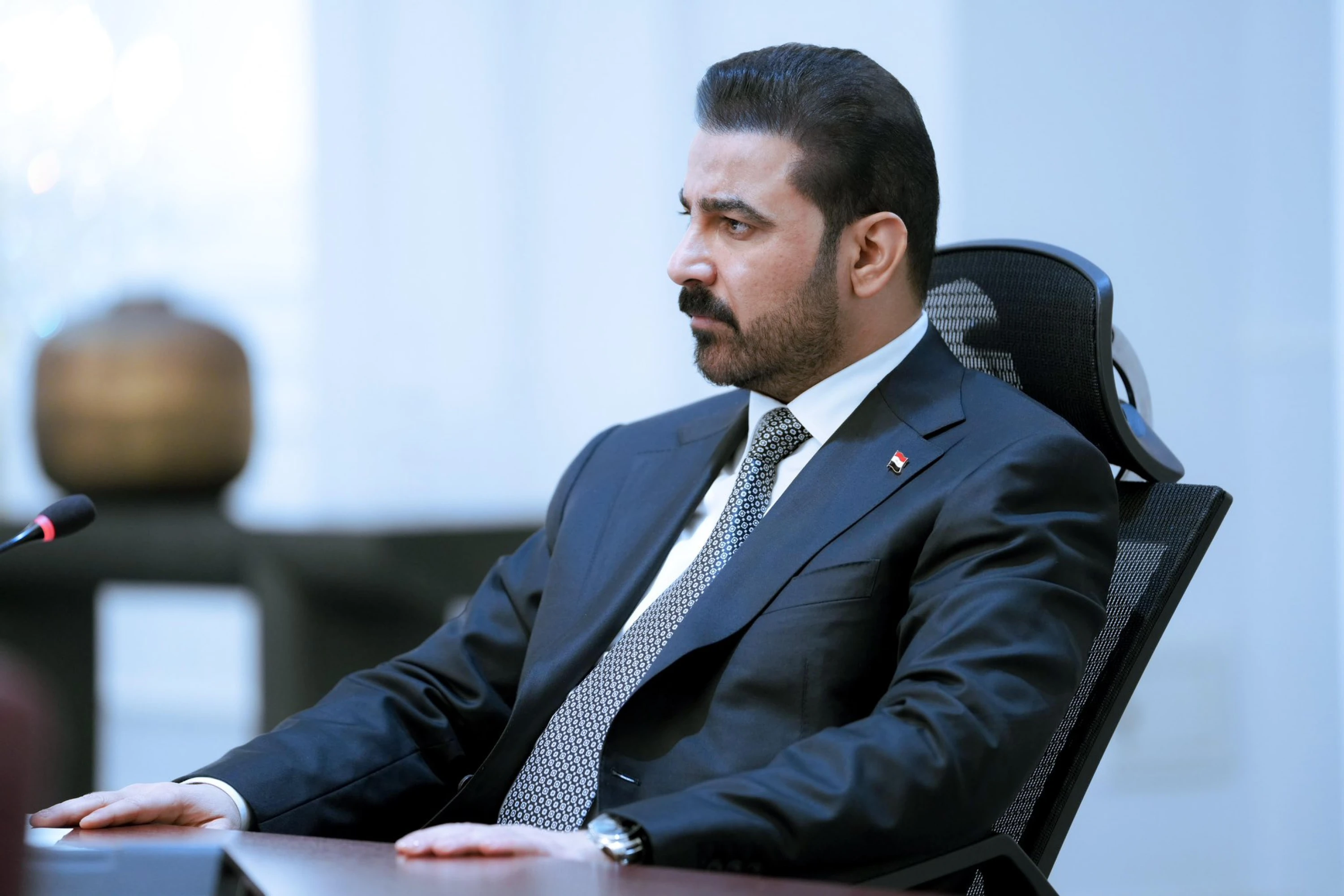
ERBIL, Kurdistan Region of Iraq – A spokesperson for Iraqi Prime Minister Ali al-Zaidi said Friday that the first 100 days of the premier's government have offered a "decisive roadmap" toward restricting weapons to the hands of the state, bringing Iraq into "a new phase of security stability."
Since being sworn in as prime minister in May, Zaidi has directed a sweeping security reform in the country, seeking to clamp down on pro-Iran militias in the country operating outside of Baghdad's authority.
"The first 100 days were not merely a fleeting evaluation period, but rather a decisive roadmap for shifting the security file from a crisis management approach to one of rebuilding the state's prestige, consolidating its sovereignty, and establishing a new phase of security stability,” Sabah al-Numan told state media.
The spokesperson added that Zaidi’s vision is rooted in the constitutional principle that protecting national security, the state’s monopoly on weapons, and decisions on war and peace are the “exclusive and direct prerogatives of official security and military institutions, and are not subject to division or interpretation.”
“Iraq's security decision-making has become more robust and independent,” he said, highlighting the government’s security achievements, adding that military institutions are now "at the highest levels of discipline and readiness to protect national sovereignty."
The Iraqi government under Zaidi has led a renewed drive to disarm militias and restrict weapons to state control, vowing to complete all disarmament by the end of September, and drawing the ire of pro-Iran armed factions in the country.
The efforts come as attacks by Iran-backed Iraqi militias have damaged Iraq’s diplomatic standing, targeting various sites in the Kurdistan Region as well as neighboring Gulf states.
Baghdad's inability to prevent such attacks led to repeated condemnations from affected neighbors, culminating in joint US-Saudi airstrikes on Popular Mobilization Forces (PMF) positions across Iraq on July 29 that killed at least 20 fighters from the umbrella group, which officially operates under state control but contains many factions with intimate ties to Iran.
While some groups have heeded the premier’s disarmament calls, others have been hesitant, accusing the campaign of serving foreign demands and running counter to the will of the Iraqi people.
Coinciding with the deadline set by the government to disarm all non-state actors, the mandate of the US-led global coalition forces is also set to expire on September 30, and both Baghdad and Washington have stressed their commitment to abide by that deadline.
 Facebook
 LinkedIn
 Telegram
 X
X