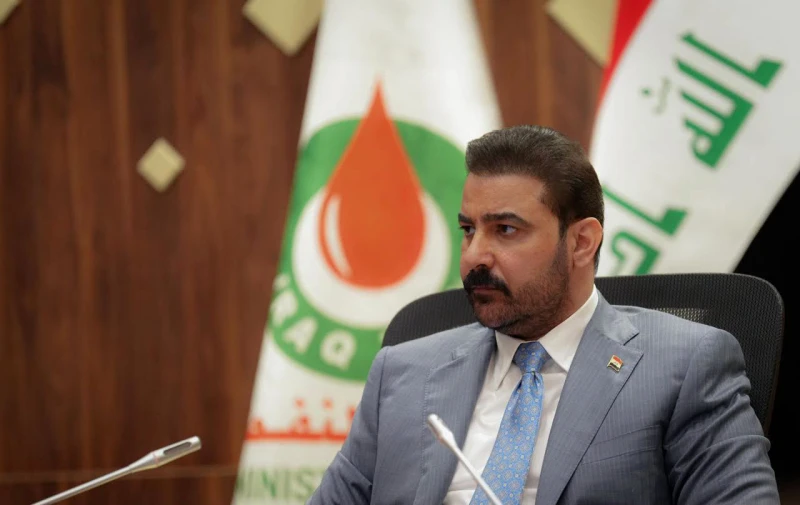
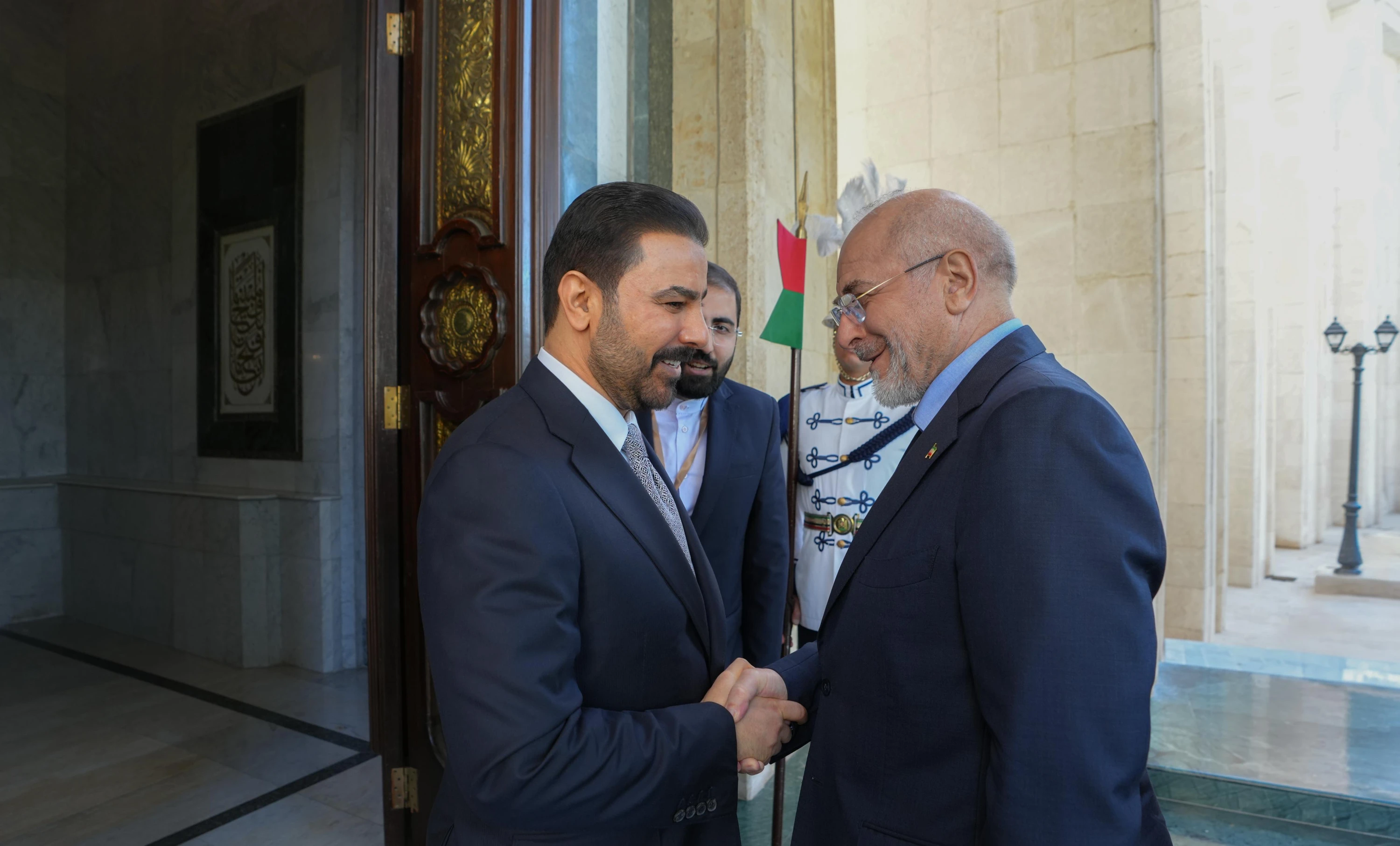
ERBIL, Kurdistan Region of Iraq – Iraqi Prime Minister Ali al-Zaidi received Iranian parliament speaker Mohammad Bagher Ghalibaf on Wednesday, praising Tehran's “supportive stances” towards Baghdad, with Iraq long having attempted to balance relations with Iran and the United States.
Accompanied by a high-level delegation, Ghalibaf arrived in Baghdad on Wednesday to hold high-level meetings with Iraqi officials, saying his visit seeks to bolster a “new order in the region” free from external interference.
During the meeting, Zaidi and Ghalibaf discussed “prospects for cooperation and joint action, as well as ways to strengthen and enhance bilateral relations in various fields,” according to a statement from Zaidi’s office.
The Iraqi premier “praised Iran's supportive stances towards Iraq, particularly the support provided by the Islamic Republic of Iran during Iraq's war against ISIS [Islamic State] terrorist gangs.”
Ghalibaf, meanwhile, praised Baghdad’s efforts in receiving Iranian pilgrims during the Arbaeen pilgrimage to the shrine of Imam Hussein, affirming Tehran’s commitment “to further developing bilateral relations and expanding cooperation to achieve the common interests of the Iraqi and Iranian people.”
Iraqi authorities recorded millions of Iranian visitors entering the country earlier in August as part of the Shiite Arbaeen pilgrimage, which takes place 40 days after Ashura to commemorate the murder of Imam Hussein bin Ali, the grandson of Prophet Muhammad and the third Shiite Imam, who was killed in 680 CE.
Earlier on Wednesday, the parliament speaker held a press conference at a memorial site for Qasem Soleimani, the former Islamic Revolutionary Guard Corps (IRGC) Quds Force chief, and Popular Mobilization Commission (PMC) deputy leader Abu Mahdi al-Muhandis, both of whom were killed by a US airstrike at Baghdad International Airport in 2020.
The visit comes as Zaidi has set a September 30 deadline for all militias in the country, many of whom are Iran-aligned, to lay down arms as part of his efforts to confine weapons to the state.
Thus far, several armed militias have agreed to disarm and divorce themselves from the Popular Mobilization Forces (PMF), a nominally state-controlled umbrella group that includes factions accused of operating at Tehran's behest, while others such as the powerful Kataib Hezbollah - responsible for myriad drone attacks in the Kurdistan Region during the US-Israeli war on Iran - have rejected the prospect of laying down their weapons.
Ghalibaf's arrival comes just two days after a drone attack on Kurdistan Region Prime Minister Masrour Barzani’s office, which Kurdish counterterrorism forces said was launched from Iran. The attack was widely condemned by Kurdish, Iraqi, and international political actors.
Zaidi ordered the formation of an investigative committee to uncover the details of the drone attack.
 Facebook
 LinkedIn
 Telegram
 X
X