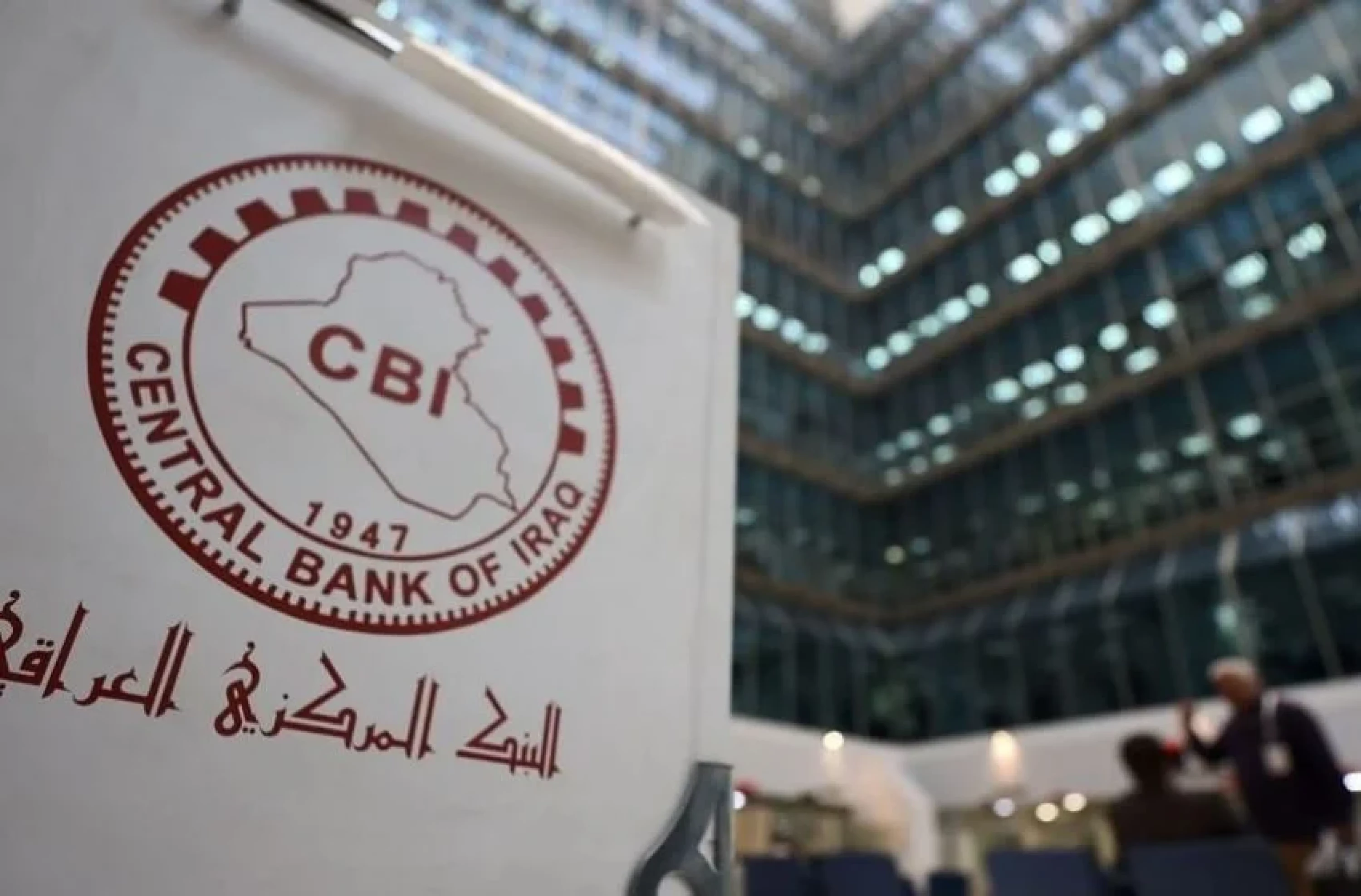
ERBIL, Kurdistan Region of Iraq – Central Bank of Iraq (CBI) Governor Nizar Nasser on Sunday said that the country’s reserves have fallen by around $31.5 billion, as the Iraqi economy struggles amid regional tensions.
The remarks came during a meeting Nasser held with the parliament’s finance committee, where he said that Iraq’s dollar reserves had fallen from $109 billion to $77.5 billion.
He noted that the funds had mostly been used to pay civil servant salaries, a participant in the meeting told The New Region.
Iraq has been facing a worsening financial crisis since the start of the US-Iran war, with the closure of the Strait of Hormuz massively cutting off Iraq’s main source of income: oil exports.
The continuation of the war has sparked fears that the current measures the Iraqi government has implemented to make up for the decreased income cannot be seen as viable long-term solutions and that Baghdad will face difficulties paying civil servant salaries over the next few months.
Nasser also touched on his monetary policy for the coming years, the preservation of financial stability, and cash management.
In mid-July, the Iraqi parliament’s finance committee said it has completed a draft for a domestic and foreign borrowing bill to curb the economic crisis.
In a televised interview in June, Iraqi Foreign Minister Fuad Hussein said that Baghdad has resorted to printing cash 25 percent more than its actual financial capacity amid a drop in revenues due to the Iran war, warning that a financial catastrophe awaits Iraq if the conflict continues until the end of the year.
The CBI has reportedly pumped around 43 trillion dinars (~$32.8 billion) into the market by printing more banknotes, reaching into its reserves, and recovering embezzled funds.
 Facebook
 LinkedIn
 Telegram
 X
X