ERBIL, Kurdistan Region of Iraq – Baghdad has proposed establishing a unified security coordination council with Tehran and Riyadh, a security advisor to the Iraqi prime minister said late Sunday.
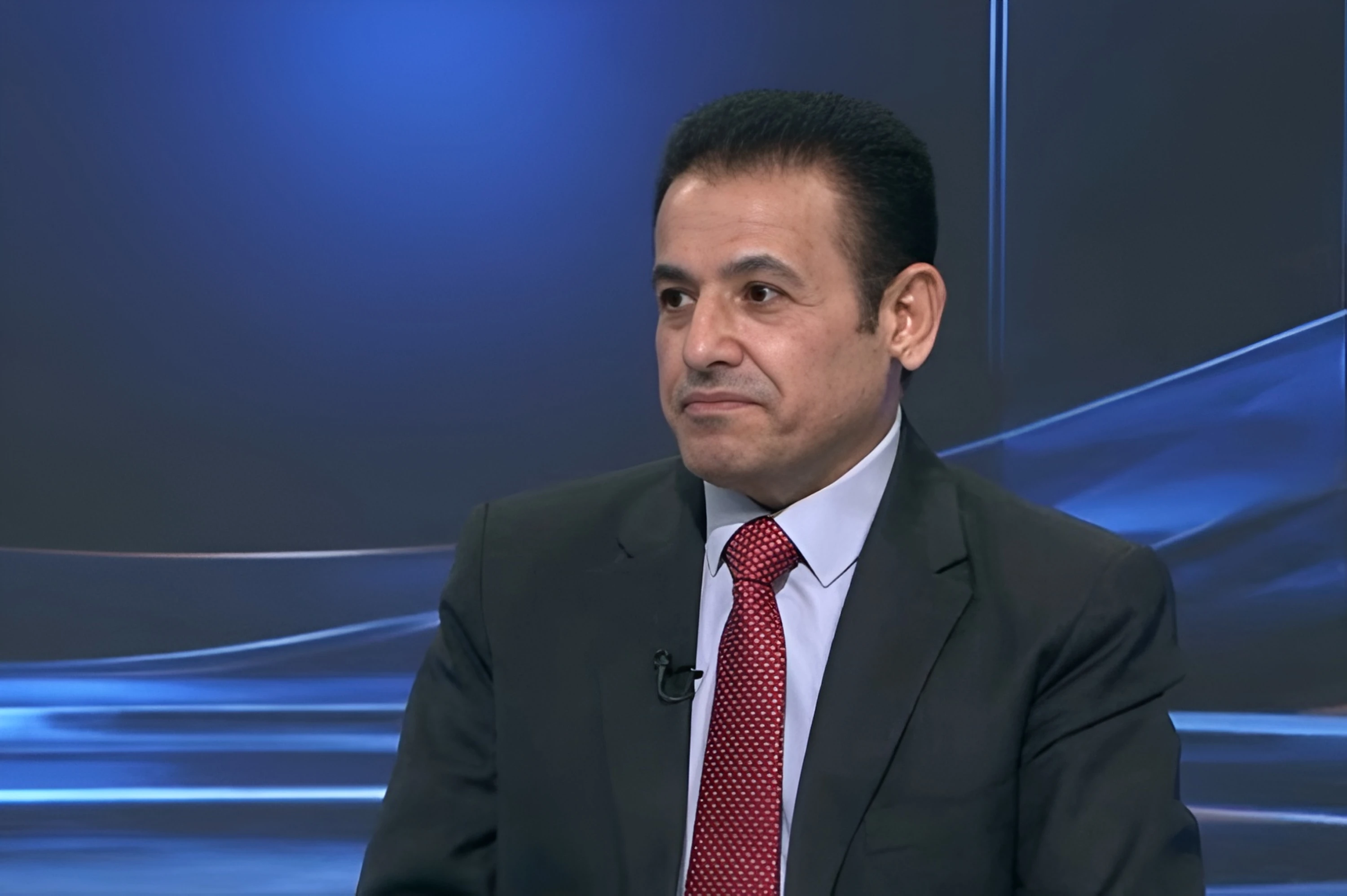
“We submitted a proposal to Iran and Saudi Arabia to establish a unified security coordination council,” Qasim al-Araji told state media in an interview, saying, “The problem between the two countries is a crisis of trust.”
The proposal comes after Iraqi Foreign Minister Fuad Hussein held a phone call Tuesday with his Saudi counterpart Faisal bin Farhan Al Saud, during which they discussed “working to contain” the regional war and “preventing the expansion of tensions,” according to a statement from the Iraqi foreign ministry.
Saudi Arabia has faced renewed drone and missile attacks from Iran-backed Yemeni Houthi forces since the outbreak of the US-Israeli war with Iran in late February 2026. The group has also declared a maritime blockade against Saudi shipping.
In late July, Saudi Arabia and the US launched coordinated attacks against several Popular Mobilization Forces (PMF) bases in Iraq, killing and wounding dozens, after Saudi authorities said the country’s oil facilities had been targeted by Iran-aligned militias inside Iraq at Tehran’s behest.
On August 7, Riyadh, Ankara and Islamabad signed the Mecca Joint Defence Agreement, a trilateral defensive pact stipulating that any attack against one of the signatory states “shall be regarded as an attack against them all.”
Iran’s foreign ministry, reacting to the defense agreement, said regional countries should strengthen security cooperation among themselves rather than rely on the US or other outside powers for protection.
Iraq has also been seeking exemptions from Iran’s restrictions on navigation through the Strait of Hormuz, through which much of Iraq’s oil exports pass and which Tehran has restricted in retaliation for the US-Israeli war that began in late February.
Iraqi parliament speaker Haibat al-Halbousi said Friday that his Iranian counterpart, Mohammad Bagher Ghalibaf, told him he would discuss exempting Iraq from restrictions on navigation through the strait with Iranian leaders.
On Saturday, Iranian state media reported that Tehran had allowed some Iraqi oil tankers to pass through the Strait of Hormuz “so far,” citing repeated requests from Iraqi authorities, but did not say whether Iraq would receive future exemptions.
 Facebook
 LinkedIn
 Telegram
 X
X