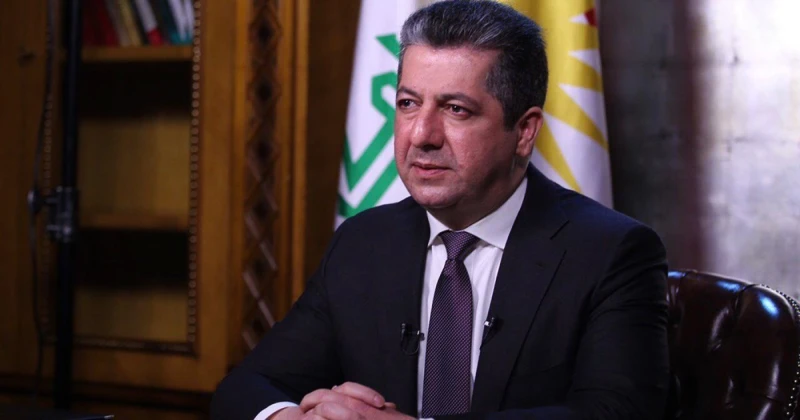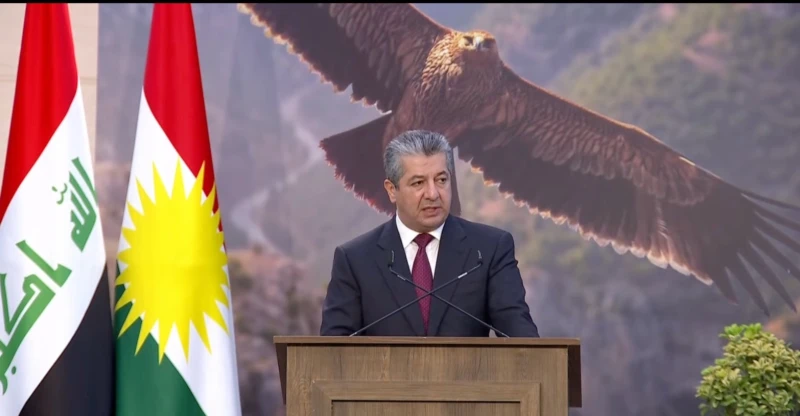
ERBIL, Kurdistan Region of Iraq - Kurdistan Region Prime Minister Masrour Barzani on Tuesday marked the 38th anniversary of the Badinan Anfal, in which over 2,000 people were rounded up and killed by the former Saddam Hussein regime.
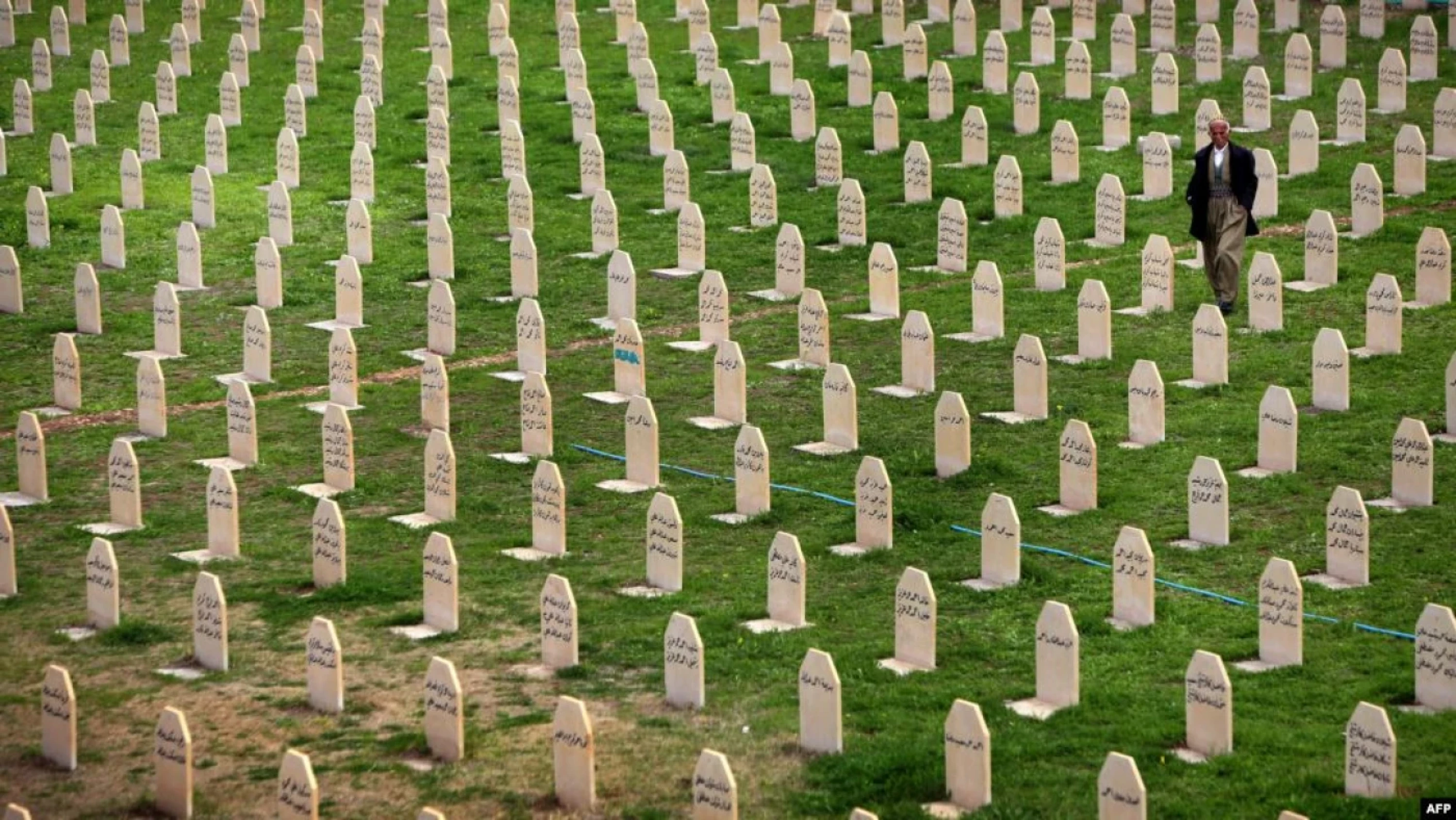
Iraq under Saddam Hussein’s iron-fisted rule initiated the Anfal Genocide against the Kurdish population between 1987 and 1989, resulting in the death of at least 182,000 Kurds across Erbil, Sulaimani, and Duhok provinces.
The Badinan phase of the genocide took place in September 1988 in Duhok, marking the latter stages of the mass killings known as the “Final Anfal.” The attack led to the deaths of thousands, and up to 700 villages were destroyed in the area.
“During the final stage of this campaign of genocide, the former Iraqi regime killed and abducted thousands of innocent people from the different communities of the Badinan region and destroyed hundreds of villages, resulting in the displacement of tens of thousands of people,” Barzani said on X.
“On the anniversary of the notorious Anfal genocide campaign in Badinan, we remember all the victims of this inhuman crime. During the final stage of this campaign of genocide,” he added.
The Kurdish population was subjected to various forms of oppression under the iron-fisted rule of the Baath regime, with two salient episodes being the notorious Anfal campaign and the Halabja chemical attack.
Anfal, the eighth chapter of the Islamic Holy book of the Quran, was used as the campaign's codename, which directly translates to "spoils of war."
Hundreds of thousands of Kurds were massacred and thousands of villages destroyed in the eight-year-long campaign.
Kurdish officials have repeatedly sought compensation for the Anfal victims’ families. To date, the remains of thousands of victims have yet to be found.
“We once again call on the federal government of Iraq to compensate the families of all victims of the Anfal genocide, the chemical attacks, and all those who fell victim to the former regime,” Barzani said.
Separately, in 1988, Halabja was attacked with chemical weapons by Iraqi forces in what was the largest chemical attack on a civilian population in history. The bombardment claimed around 5,000 lives and injured thousands more.
In 1991, Kurds carried out a successful uprising in which they were able to expel Baath forces from their territories with the help of the UN-mandated no-fly zone, hampering Hussein's efforts to carry out aerial attacks on northern Iraq and allowing for the entry of humanitarian aid.
 Facebook
 LinkedIn
 Telegram
 X
X