ERBIL, Kurdistan Region of Iraq – Mazloum Abdi on Tuesday announced the dissolution of the Kurdish-led Syrian Democratic Forces (SDF), the primary force that spearheaded the fight against the Islamic State (ISIS), completing an integration deal with Damascus that has accelerated since January.
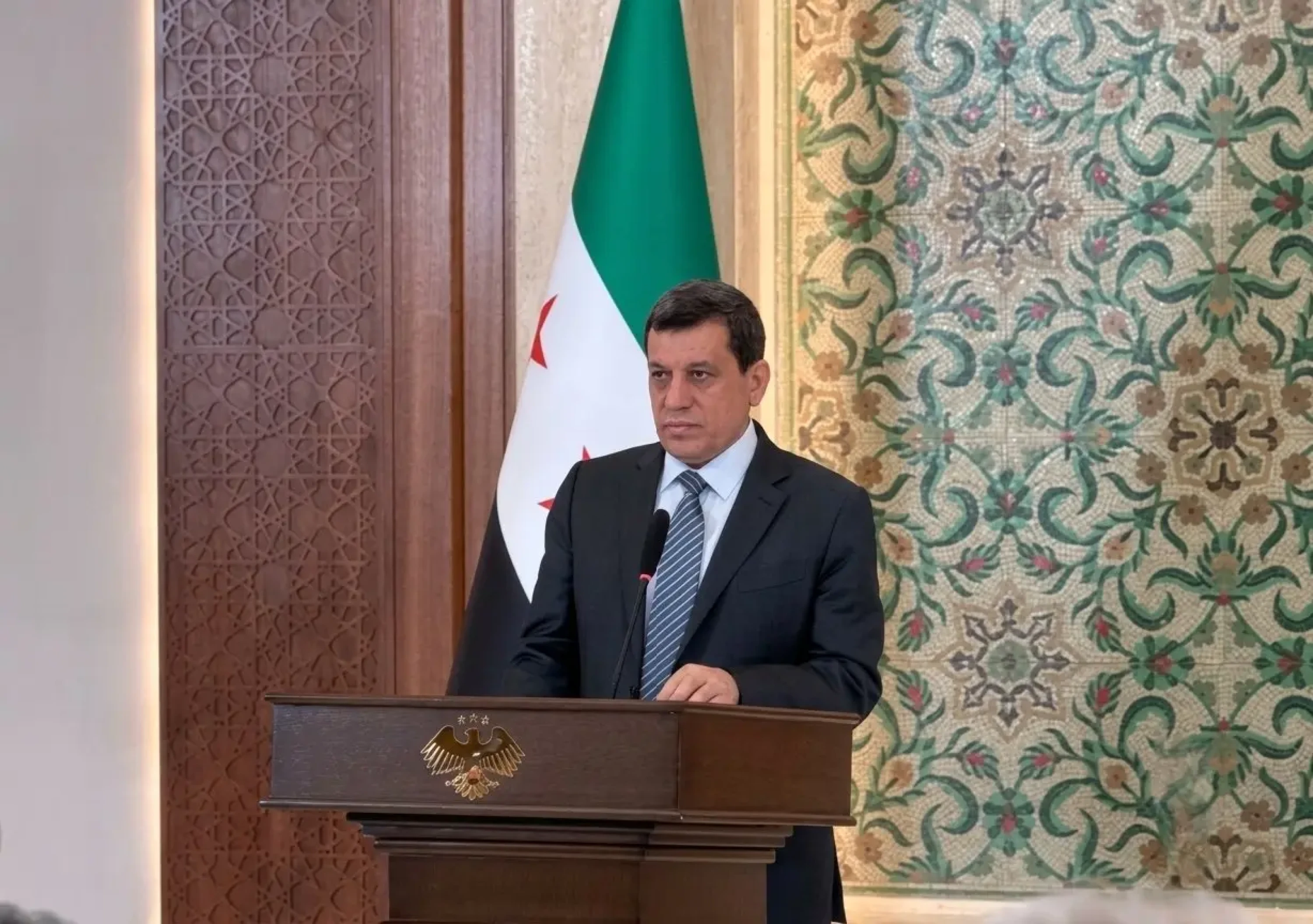
“We announce the dissolution of the SDF, the Autonomous Administration, and all its affiliated military and civilian formations as independent forces, and their complete integration into state institutions,” Abdi said in a Damascus presser.
The announcement is a culmination of a complicated set of events that kicked off following the December 2024 ouster of Syrian dictator Bashar al-Assad by an Islamist-led coalition headed by interim President Ahmed al-Sharaa.
Speaking from Damascus, Abdi hailed the decision as the turning of a “historic page,” saying, “We will now begin the process of peace, stability, and building the nation.”
“The SDF undertook great responsibility during one of the most difficult phases of Syria. They liberated a great number of cities and areas of Syria, first from Baathist rule and then from the terrorism of the Islamic State (ISIS),” Abdi said.
Sharaa quickly moved to consolidate control over all of Syria, launching a series of brutal offensives against Rojava and taking large swathes of territory. In March 2025, Abdi and Sharaa signed a landmark agreement to integrate the SDF and the Rojava administration into Syrian state institutions.
That deal was followed by another major agreement in January 2026, following clashes between the SDF and Damascus-affiliated forces that saw the Kurdish-led forces pull back from large swathes of territory in northern and eastern Syria.
On Thursday, Abdi announced that the integration of the SDF and Rojava’s administration into the Syrian state was “complete.”
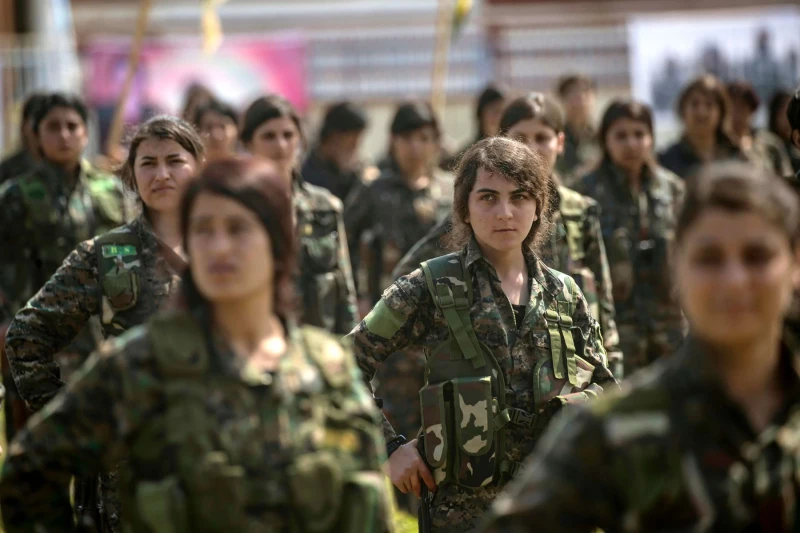
The SDF was established in 2015 as a pluralistic, diverse force that had its backbone in the Kurdish People’s Protection Units (YPG). It contained elements from all segments of Rojava’s society, including Kurds, Arabs, Assyrians, and Armenians.
The SDF’s founding came after a historic resistance against ISIS in the symbolic Kurdish city of Kobane in northern Syria.
The force demonstrated tremendous success in defeating ISIS, proving a valuable partner for the United States in Syria and becoming Washington’s primary backed force in the country in the fight against terrorism. Its effectiveness against ISIS also saw the capture of Raqqa, the capital of the so-called “caliphate,” in 2017.
The SDF ultimately ended the territorial rule of ISIS in Syria in 2019, defeating the last pockets of jihadists in a final battle in Baghouz in the eastern Deir ez-Zor province.
Following the violence, Sharaa in January issued a decree offering concessions designed to foster goodwill with Syria's Kurdish population, including recognizing Newroz as a national holiday, recognizing Kurdish as a national language that may be taught in public and private schools in Kurdish-populated areas, and abolishing the effects of the controversial 1962 census in Hasaka province, thus granting Syrian nationality to previously stateless Kurds.
The decree, however, has not been enshrined in Syria's new transitional constitution, and the elective nature of the Kurdish language offering for students who have spent their whole lives being educated in the language attracted criticism.
 Facebook
 LinkedIn
 Telegram
 X
X