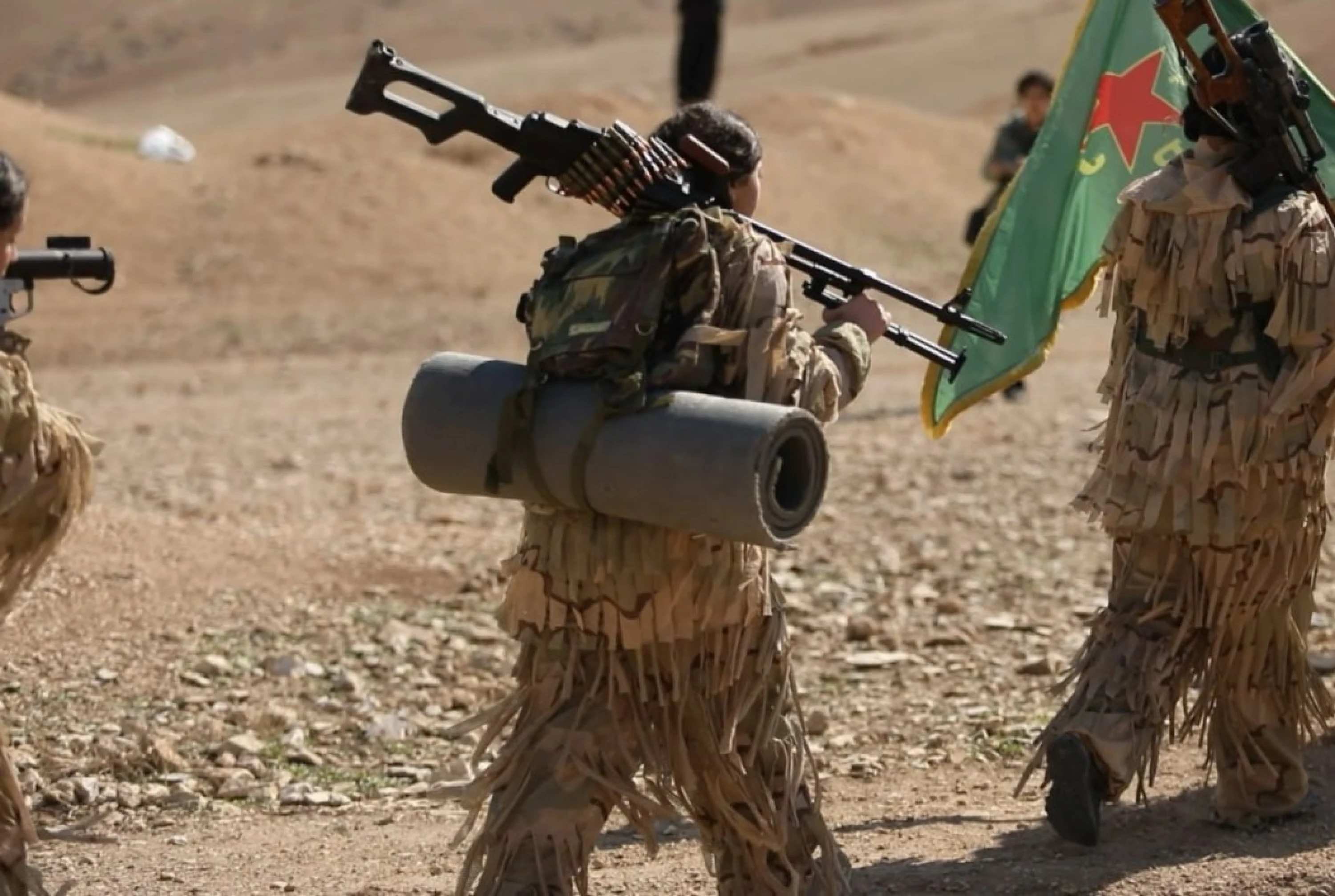
ERBIL, Kurdistan Region of Iraq – The Women’s Protection Units (YPJ), a core component of the now-dissolved Syrian Democratic Forces (SDF), is standing firm on its demand to be integrated as a special anti-terrorism force within Syria’s interior ministry but Damascus has yet to give the green light, Rojava (northeast Syria) media reported on Thursday.
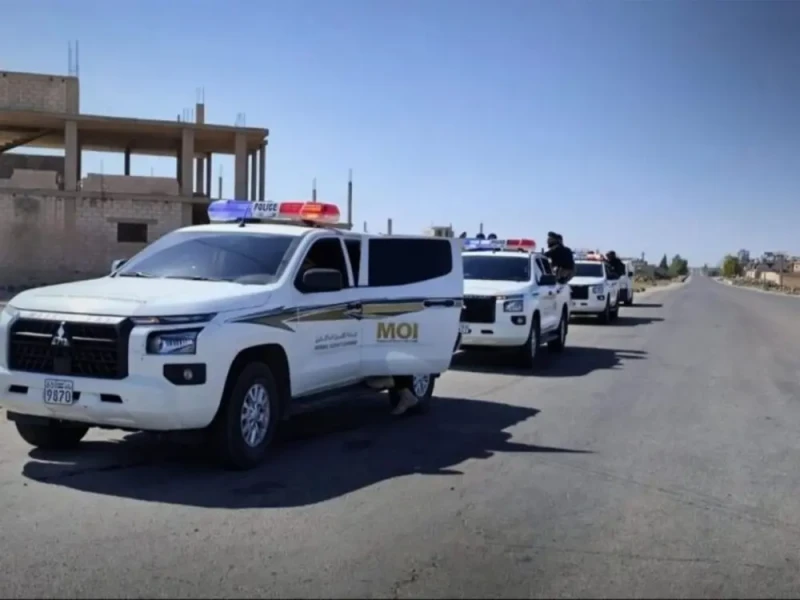
A meeting between Newroz Ahmed, a senior YPJ leader, and Syrian Interior Minister Anas Khattab took place in Damascus on Wednesday to discuss the integration of the all-female Kurdish units into state institutions, Rojava-based Hawar News Agency (ANHA) reported.
The meeting lasted more than 12 hours and was attended by senior YPJ officials.
The developments come as Mazloum Abdi on Tuesday announced the dissolution of the Kurdish-led SDF, the force that spearheaded the fight against the Islamic State (ISIS) and the main power-holder in northeast Syria’s Kurdish-majority region of Rojava since 2015.
The announcement came after Abdi and several other high-ranking Kurdish officials met with Syrian interim President Ahmed al-Sharaa in Damascus on Tuesday, with the YPJ leader among them.
“The YPJ is expected to retain its position as a special counter-terrorism unit within the Ministry of Interior, but a final decision has not yet been made,” a source familiar with the matter told ANHA.
Discussions will continue on the matter as an exceptional case, as the YPJ is standing firm on its status, the source added.
In a Thursday statement, the YPJ described the meetings in Damascus as having been held in a "positive and constructive atmosphere."
The force asserted that they emphasized the "integration of the YPJ, as a special and organized force, into the structure of the Ministry of Interior" during the meeting, according to the statement.
Earlier in August, YPJ said that there have been suggestions its fighters could integrate into Syrian state forces as "a special anti-terrorism force" under the Syrian interior ministry, though no official proposal has been presented by Damascus as of yet.
Rojava and Damascus signed an agreement on January 29 that would see the Kurdish-led autonomous administration in northeast Syria brought under the auspices of the Syrian state, coming after violent clashes in Aleppo's Kurdish-majority quarters escalated into a broader offensive by Syrian forces under the leadership of interim President Ahmed al-Sharaa into Rojava.
YPJ female fighters in Rojava have become a symbol of resilience and strength worldwide for playing a key role in defeating the terror of ISIS in Syria.
However, the status of the YPJ has been a source of dispute due to the clashing ideological principles between Damascus and the Kurdish-led Rojava administration.
While Syria’s current leadership harbors Islamist roots, rising to power after rebel groups led by Hay’at Tahrir al-Sham (HTS) toppled the Baathist regime, the Rojava administration is built on feminist and secular principles that prioritize women’s participation, including its defense institutions.
Syrian authorities have displayed reluctance in allowing YPJ fighters, numbering around 20,000, to be incorporated into the military and security apparatus. On the other hand, Kurdish officials have rejected any proposal to disband the group.
 Facebook
 LinkedIn
 Telegram
 X
X