ERBIL, Kurdistan Region of Iraq – The Iraqi government said Monday that preparations for the complete withdrawal of the US-led international coalition from Iraq and efforts to restrict weapons to state forces are progressing smoothly, describing both measures as key steps toward strengthening national sovereignty.
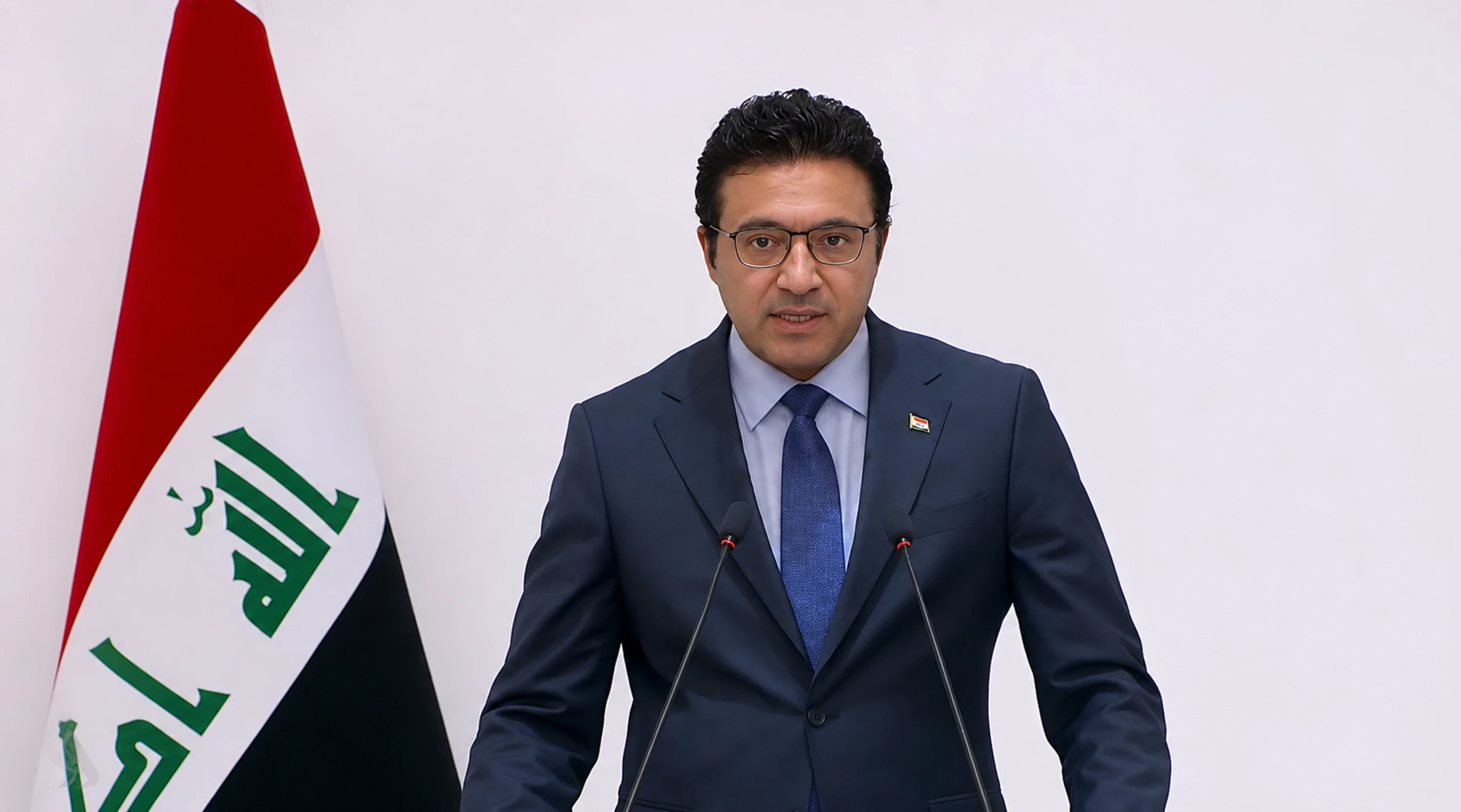
Regarding the coalition withdrawal, government spokesperson Haider al-Aboudi told state media that "things are progressing smoothly towards achieving this national objective that Iraqis aspire to," adding that September 30 "will witness the complete end of the presence of the international coalition mission on Iraqi soil."
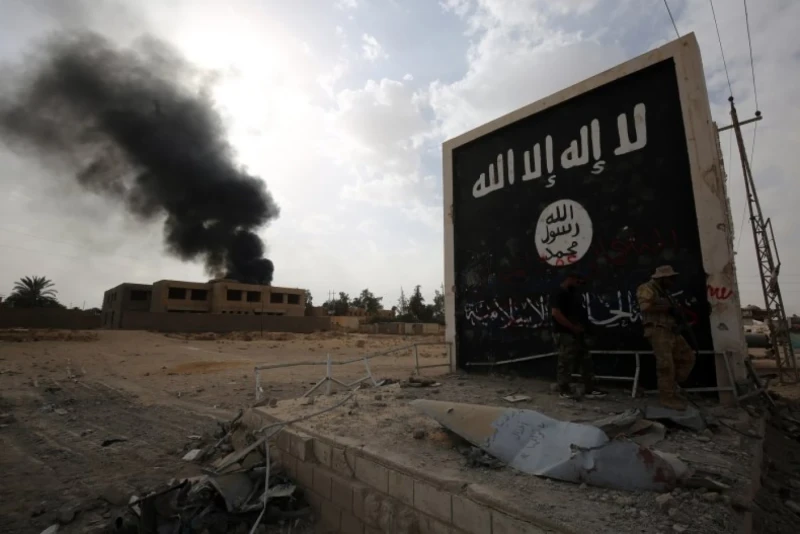
The US-led coalition was brought to Iraq in 2014 at Baghdad’s invitation to help repel the Islamic State (ISIS) advance across the country. Under an agreement between Washington and Baghdad, the coalition is set to complete its withdrawal from all Iraqi territory by September 30.
Aboudi said the move “represents an important sovereign milestone for the Iraqi state and the Iraqi people.”
The withdrawal has long been a key demand of political forces and armed groups across Iraq, particularly those with strong links to Iran, which have repeatedly called for the departure of US forces.
The government is also pushing to restrict weapons to the state, with September 30 set as the deadline for armed groups outside state control to hand over their weapons.
The arms issue, Aboudi said, "is at the forefront of the Iraqi government's priorities within the ministerial program, as it represents a fundamental pillar for strengthening national sovereignty."
He said restricting weapons to state forces is “a natural return to the norms of the state and a return to the constitutional principles.”
Several armed factions have so far agreed to disarm, while others, including the powerful Kataib Hezbollah - which has been responsible for numerous drone attacks in the Kurdistan Region during the US-Israeli war on Iran - have rejected the prospect of laying down their weapons.
Zaidi’s cabinet has also launched a major anti-corruption crackdown, including a sweeping raid of Baghdad’s Green Zone in late June, where much of the Iraqi government’s administration is concentrated.
The operation led to the arrest of several high-ranking officials.
Aboudi said the fight against corruption “is proceeding according to practical executive procedures on the ground."
By late July, Iraqi authorities had seized more than $125 million and 380 kilograms of gold and jewelry allegedly hidden in various locations as part of a corruption case involving Adnan al-Jumaili, the detained oil ministry undersecretary for refining affairs.
Aboudi said, "Integration among the federal state authorities has achieved key indicators in combating corruption that were not achieved in many years of the Iraqi state's history after 2003."
 Facebook
 LinkedIn
 Telegram
 X
X