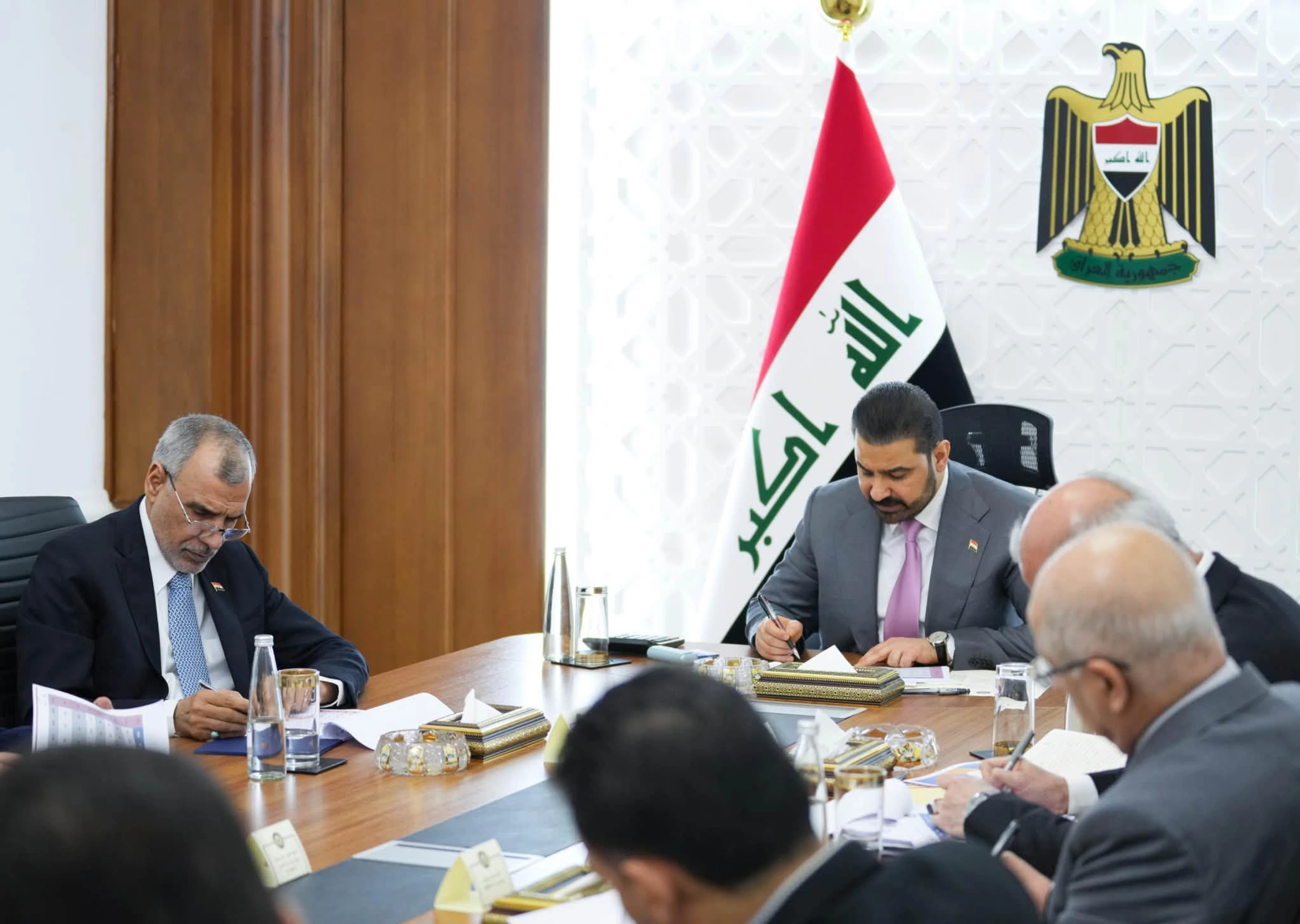
ERBIL, Kurdistan Region of Iraq - Iraqi Prime Minister Ali al-Zaidi on Tuesday instructed relevant authorities to increase production in the Kurdistan Region’s oil fields, as the Iraqi government aims to reach a production level of 10 million barrels per day by 2030.
Zaidi’s remarks came during a meeting with senior officials from the Ministry of Oil, to discuss Iraq’s strategic plan for developing and increasing oil production from 2027 to 2030.
Oil Minister Basim Mohammed Khudair and Finance Minister Faleh al-Sari were also in attendance.
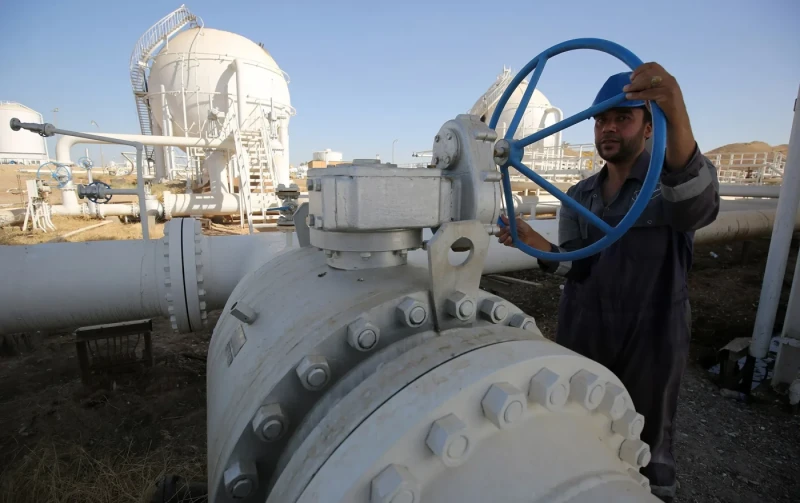
The Iraqi prime minister “directed an increase in production from oil fields in the Kurdistan Region of Iraq, expanding exploration activities, and increasing the number of exploration blocks,” according to a statement from his office.
The Kurdistan Region’s oil production capacity has been heavily impacted by the ongoing US-Iran war and the ever-present threat of pro-Iran groups striking the Region’s energy infrastructure.
Before the war began in late February, the Region produced around 250,000 barrels per day, with 50,000 barrels allocated for domestic consumption and the remainder transferred to Iraq’s State Organization for Marketing of Oil (SOMO) for export.
The Kurdistan Regional Government (KRG) has repeatedly decried that 50,000 barrels are not enough to meet its domestic demands, and urged Baghdad to increase the quota to 126,700 barrels, in accordance with the Region’s population, which makes up 12.67 percent of Iraq’s total population.
During Tuesday’s meeting, Zaidi “emphasized that Iraq's oil production should be commensurate with the size of its reserves, oil capacity, and population, enabling it to meet the needs of its citizens and development requirements.”
Before 2023, the Kurdistan Region produced around 400,000 barrels per day.
Iraq has been facing a worsening financial crisis since the start of the US-Israeli war with Iran, with the closure of the Strait of Hormuz massively cutting off Iraq’s main source of income: oil exports.
Iraq pocketed $2.3 billion from oil exports for the months of May and June combined. The country needs over $5.3 billion for monthly salaries alone.
The current vulnerability of the global oil market has forced the Iraqi government to find long-term alternative sources of income moving forward, with Zaidi’s financial advisor revealing plans to increase non-oil revenues to about 45 percent of total public revenues over the next 10 years, up from less than 10 percent currently.
 Facebook
 LinkedIn
 Telegram
 X
X