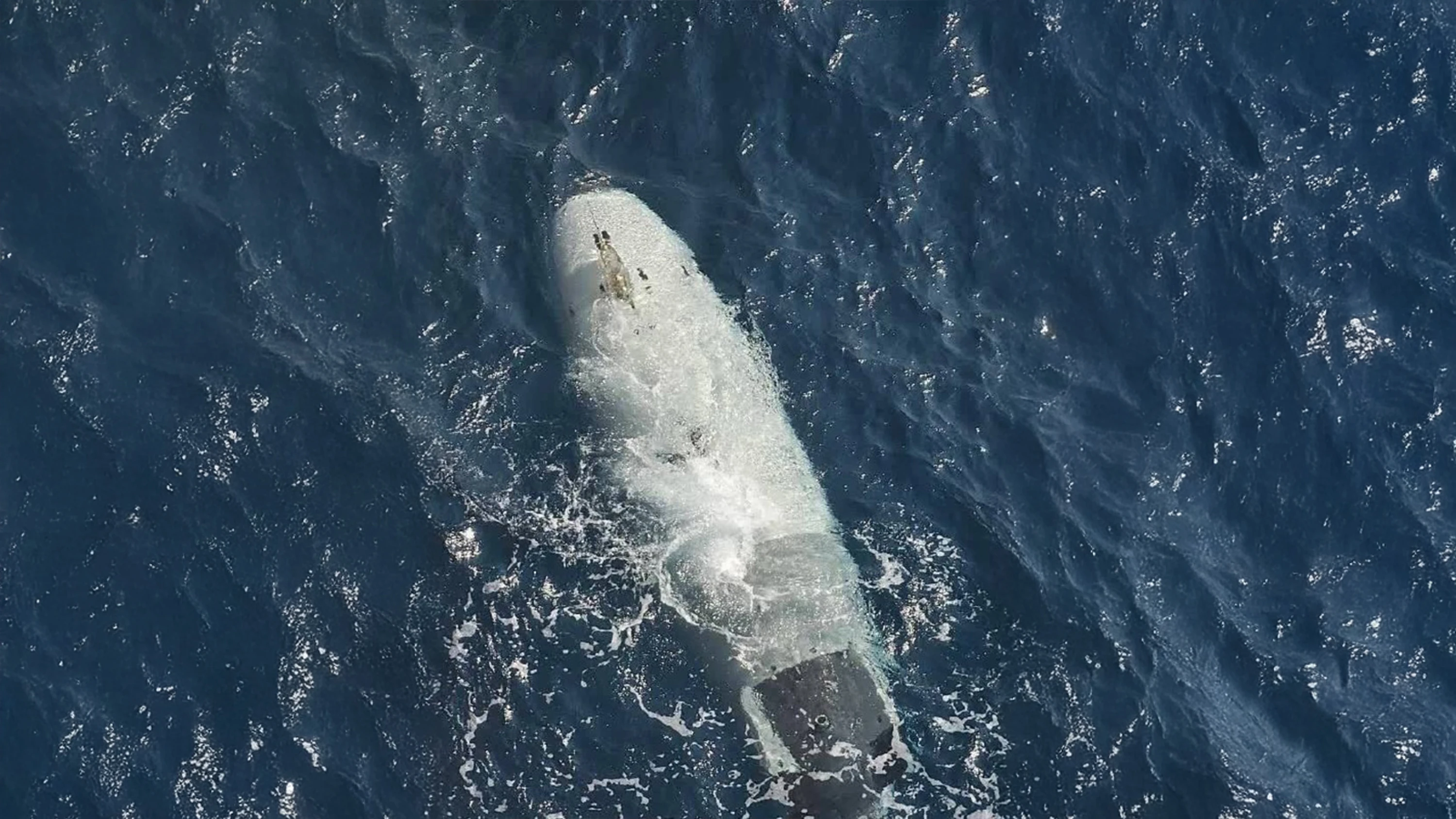
ERBIL, Kurdistan Region of Iraq – Iran’s Islamic Revolutionary Guard Corps (IRGC) said Tuesday that its forces had intercepted and seized a US unmanned submarine at the entrance to the strategic Strait of Hormuz.
“The IRGC Navy trapped one of the most modern smart and unmanned submarines of the American terrorist army at the entrance to the Strait of Hormuz in a complex intelligence and operational operation at dawn today,” the IRGC Navy said in a statement, coming as both sides continue to intermittently clash in the strategic waterway.
A picture purporting to show the submarine were later published by state broadcaster IRIB, which linked the attached image to a prior, informative post detailing the US' usage of Anduril Industries' Dive-LD undewater autonomous vessels.
Appearing similar to the craft shown in the IRIB photo, the Dive-LD is a modular maritime drone system capable of operating at depths of up to 6,000 meters and is used for intelligence, surveillance, and reconnaissance (ISR), according to its manufacturer.
"Dive-LD has emerged as the leading solution for a variety of missions, including operational preparation of the environment, surveillance and reconnaissance, mine warfare, subsea and seabed warfare, seafloor mapping, and more," Anduril Industries writes on their website.
In 2024, the US Navy selected the submersible vessel for prototyping ahead of operational use and received its first confirmed delivery in April 2025.
Earlier on Tuesday, the IRGC also said its forces had downed an MQ-1 American drone “over the strategic area of the Strait of Hormuz,” the group's affiliated Mehr News Agency reported.
Despite human casualties remaining relatively low, the US has lost a siginficant amount of high-end military technology during the conflict, with ABC News reporting on July 9 that Iran has downed roughly 30 MQ-9 Reaper drones over the course of the war.
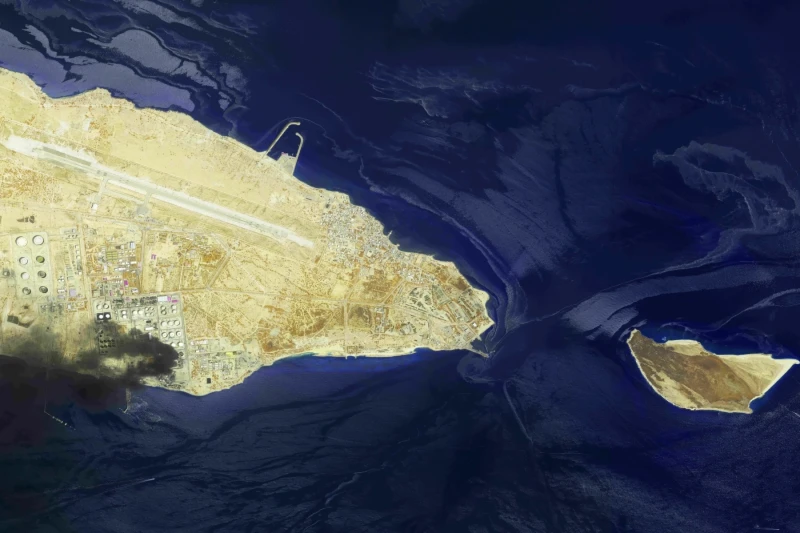
Iran has shut the Strait of Hormuz, a vital waterway through which roughly 20 percent of the world’s oil is transported, as part of its war against the US and Israel, contributing to a sharp rise in oil prices. The US has responded by imposing a naval blockade on Iranian ports, which Trump has said costs Iran $500 million a day.
Although Washington insists that the Strait of Hormuz is open for transit, shipping data shows that commercial passage through the strategic waterway remains below pre-conflict levels amid ongoing Iranian restrictions.
Iran’s security chief Mohsen Rezaei on Sunday said a new “restricted zone” outside the Strait of Hormuz is set to be announced “in the coming days.”
 Facebook
 LinkedIn
 Telegram
 X
X