ERBIL, Kurdistan Region of Iraq - Yemen's Houthi rebels helped plan and execute attacks on Saudi oil infrastructure allegedly launched from Iraqi territory in July, the Associated Press reported on Wednesday, citing Saudi and Iraqi officials.
In recent months, Riyadh has increasingly voiced its frustration with a number of drone attacks on Saudi oil infrastructure it has accused of being orchestrated by Iran-aligned Iraqi armed factions, culminating in joint US-Saudi airstrikes across large swatches of Iraq in late July that killed at least 20 militia fighters.
In messages conveyed to Iraqi Prime Minister Ali al-Zaidi through mediators, Saudi Arabia has accused the Badr Organization and Kataib Hezbollah, the most influential and organized Iran-backed Iraqi Shiite armed groups, of being behind the attacks targeting the country’s oil facilities, senior Popular Mobilization Forces (PMF) officials told The New Region.
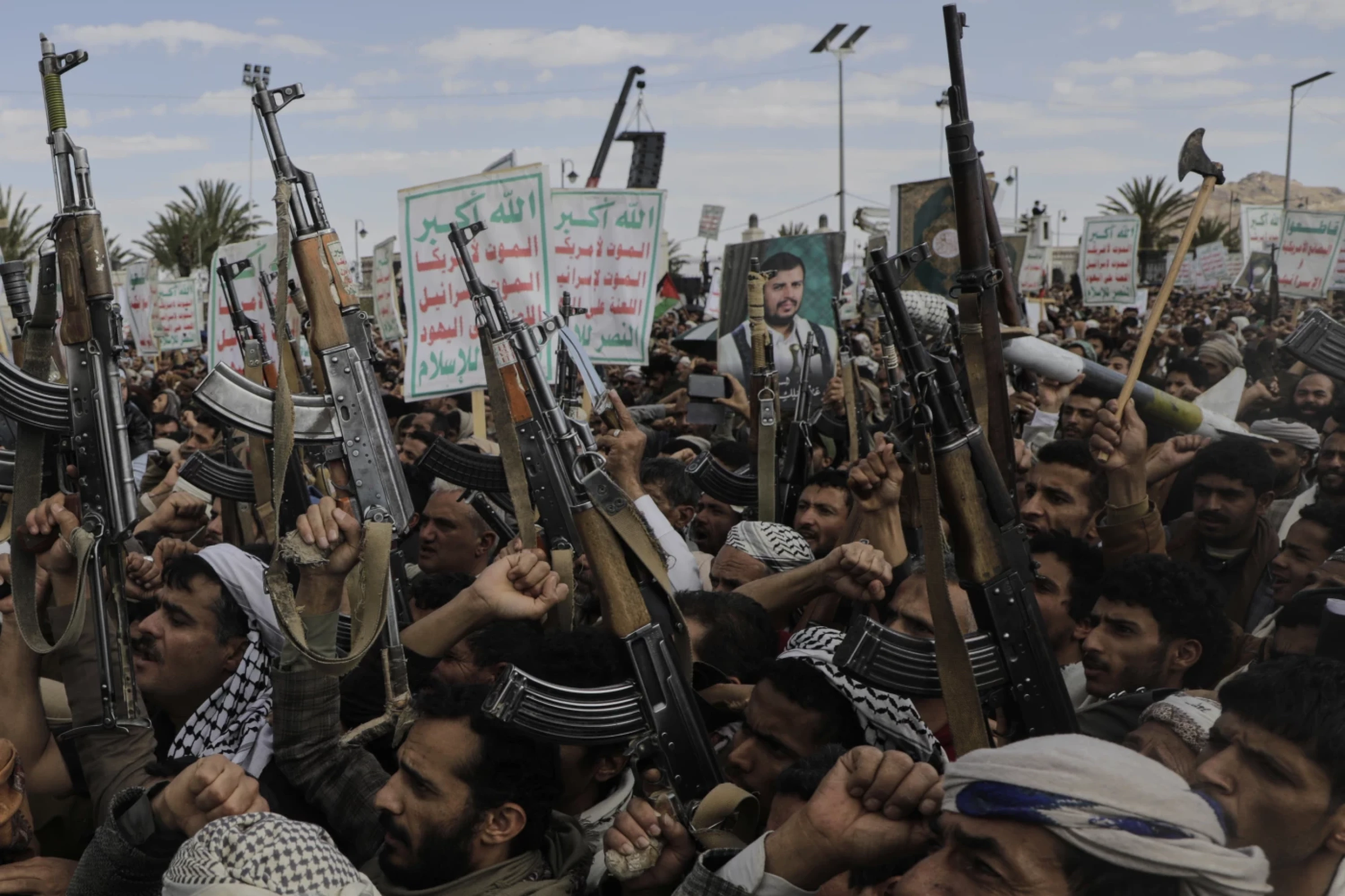
However, citing two Saudi sources and a "senior" Iraqi security official, the Associated Press ascertained on Wednesday that the Iran-backed Houthis "helped the Iraqi militias plan and execute the two-day swarm attack, showing a new level of coordination."
"Houthi emissaries worked in an operations room run by Iraqi militias," the report continued, though noting that PMF officials denied any involvement by their ideological kin in Yemen.
The outlet, citing a Houthi official and an Iraqi militiaman, confirmed that a Houthi fighter was among the casualties of the retaliatory US-Saudi strikes, which until now had only officially resulted in the deaths of PMF personnel.
The nexus of pro-Iran militias in Iraq and the Houthis, the latter of whom have been engaged in heavy combat against Riyadh since July, have often spoken in support of one another, with both sides being considered as part of the wider "Axis of Resistance" that serves to bolster Iran's regional policy.
Following the Houthis' announcement of a maritime blockade on Saudi traffic in the Red Sea, Kataib Hezbollah hailed the move as an expression of "unwavering will and an unbreakable resolve to defend the country's sovereignty and restore all rights."
In March 2025, Iraq's Joint Operations Command denied reports suggesting that the Houthis have been receiving training and support in a training camp in the Khalis area in Diyala, northeast Iraq.
Since assuming office, Prime Minister Zaidi has sought to rein in militia activity in Iraq, with recurrent strikes on neighboring countries, under the backdrop of the US war with Iran, having caused significant diplomatic embarrassment and threatened the domestic economy.
The premier has set a deadline of September 30 for the disarmament of such factions, though backtracking from other senior Iraqi politicians regarding the nature of the process and prospective delays have hampered trust that the move will bring about an enduring end to Iranian proxy activity in the country.
"The September 30 deadline will not remain fixed, and proposals for postponement are increasingly becoming a reality," a source close to the Iraqi government told The New Region.
 Facebook
 LinkedIn
 Telegram
 X
X