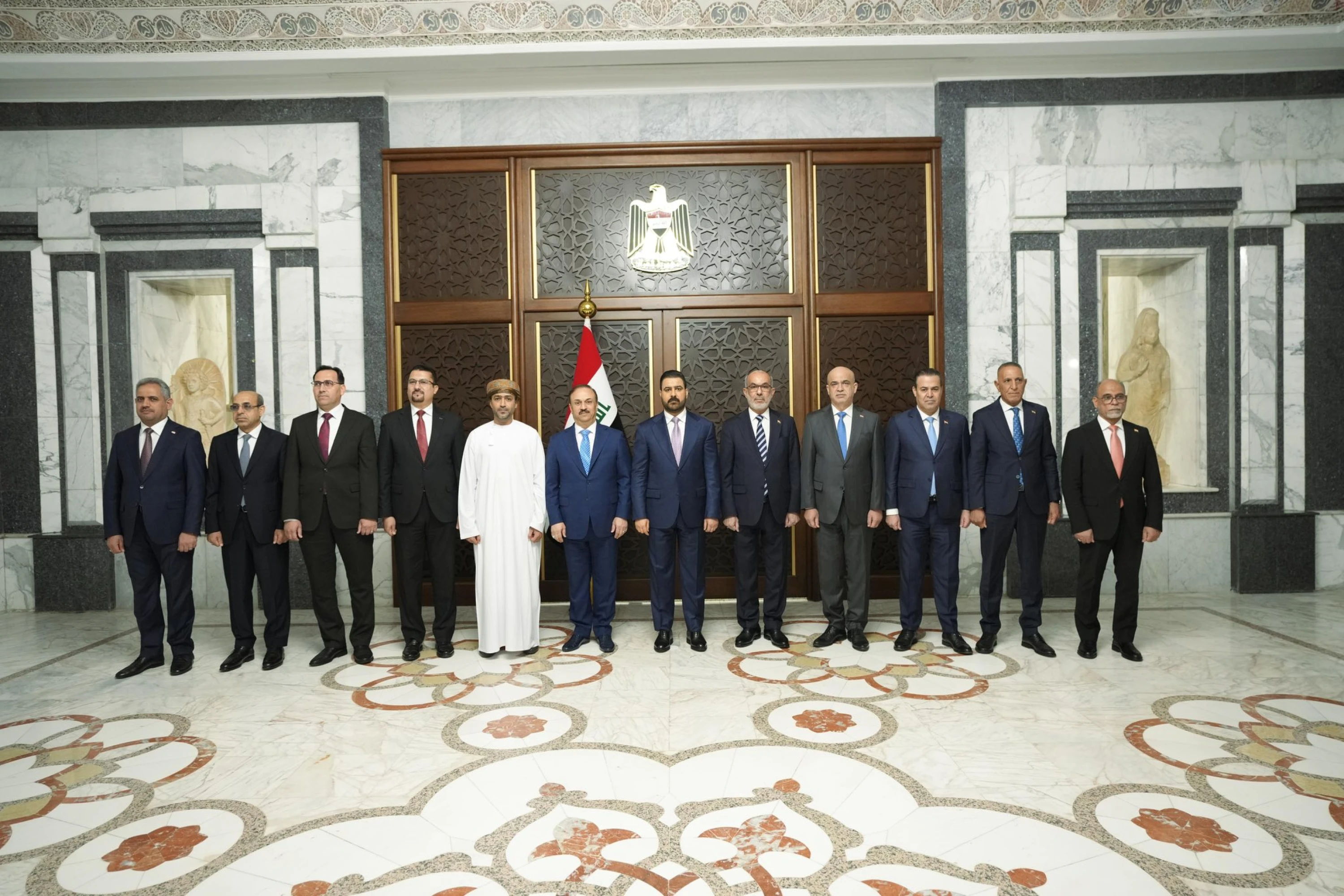
ERBIL, Kurdistan Region of Iraq – Iraqi Prime Minister Ali al-Zaidi on Saturday oversaw the signing of a 25-year contract with Kar Electrical Power Production Trading (KEPPT), aimed at raising production at the Ajil oil field in the Salahaddin province.
The Ajil oil field, located in northern Salahaddin province, was damaged by the Islamic State (ISIS) a decade ago. Iraq has gradually restored the field by signing several contracts with different companies over the years as part of the post-war reconstruction efforts.
The deal, signed between the state-owned North Oil Company (NOC) and KEPPT, “spans a 25-year term and aims to gradually increase production rates at the field,” by raising gas production from around 135 million standard cubic feet per day to 300 and increasing oil production from 30,000 barrels per day to 40,000 barrels, read a statement from the premier’s office.
KEPPT, a sister company to KAR Group - a major private industrial investment company, also runs the Ajil Integrated Project which was launched in January and aims to combine oil, gas, and renewable energy integration to boost operational efficiency and cut environmental impact.
In March, Iraq’s oil ministry announced plans to increase oil production from four million to six million barrels per day between 2028 and 2029.
“This contract signing aligns with the Ministry of Oil’s strategy to maximize investment in hydrocarbon resources, boost oil and gas production rates, and optimize the utilization of oil and gas field resources. These efforts aim to enhance energy security and support the country's electricity generation system,” it added.
In early August, Zaidi said that 2027 "will be a year of doubling electricity production," directing the electricity ministry to maintain a domestic production capacity of 30,000 megawatts and to import tens of thousands of megawatts of additional energy from abroad.
Iraq plans to generate 12,000 megawatts from renewable sources by 2030, aiming to ease pressure on the national grid. On peak summer days, demand may reach over 55,000 megawatts while supply remains substantially lower, highlighting the urgent need for new solutions.
 Facebook
 LinkedIn
 Telegram
 X
X