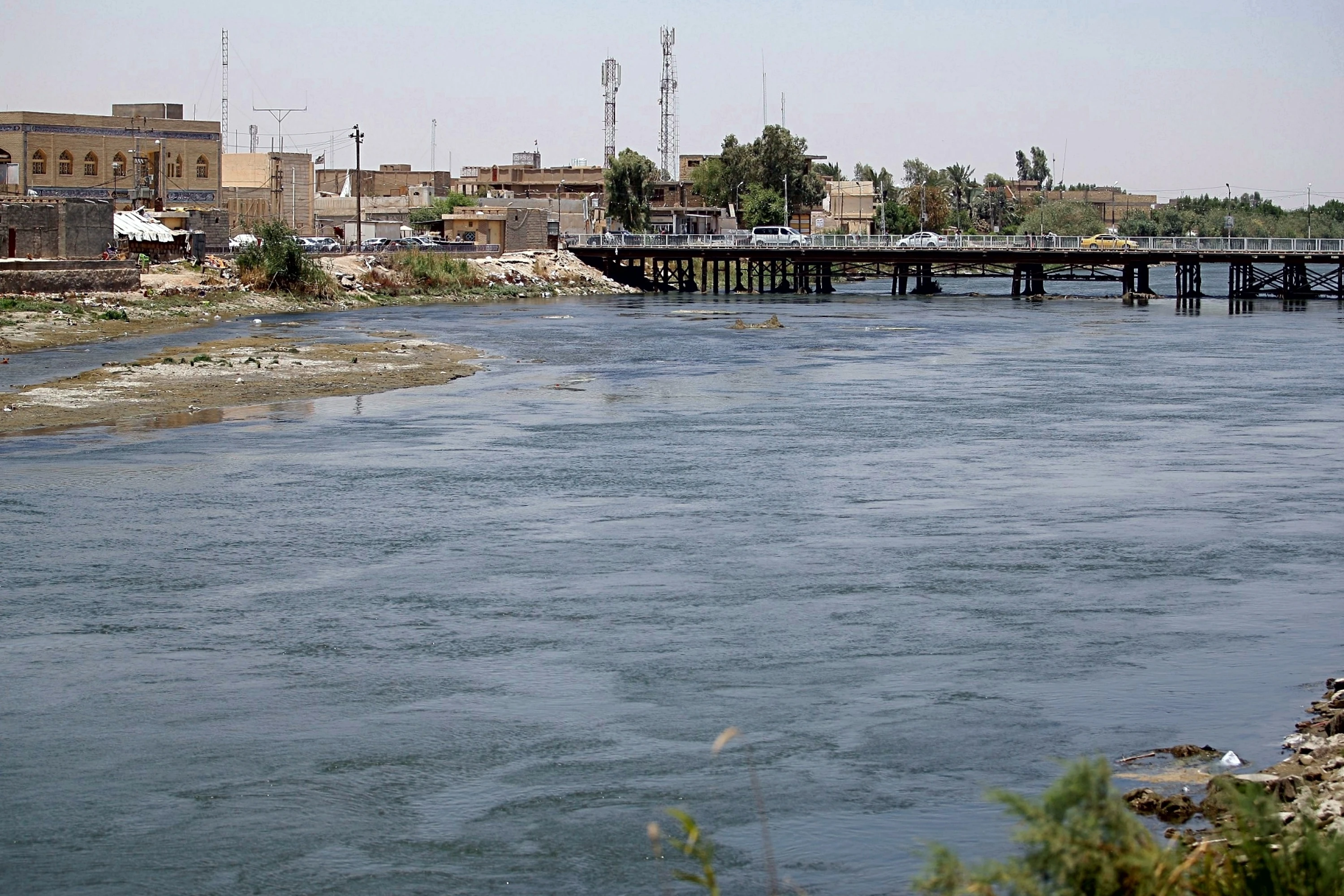
ERBIL, Kurdistan Region of Iraq - Iraqi hospitals and the health ministry dump medical waste into the Tigris and Euphrates rivers, the Green Iraq Observatory told The New Region on Wednesday, warning that the contamination could spread diseases and toxins.
“Medicines, disinfectants, and dialysis materials are being dumped directly into the sewers, leading to river water pollution with diseases and toxins,” the observatory said in a statement.
Citing the Federal Board of Supreme Audit, Iraq's highest independent financial oversight authority, it added that the correct mechanism for disposing of medicine and medical supplies is obligated to entail shredding, crushing, and steam sterilization.
However, the environmental watchdog affirmed that the authorities responsible to the destuction of medicines does not have access to a proper incinerator, while the shredder is out of service, noting that harmful waste products are also dumped in landfills.
Omar Abdul Latif, a member of the Green Iraq Observatory told The New Region that the polluted rivers in question are the Tigris and Euphrates, blaming hospitals in the public and private sectors and the federal health, agriculture, industry, and electricity ministries.
“The supporting destruction committee disposes of these materials by grinding and rolling them using a shovel, passing over them several times. They are then loaded into the landfill and mixed with regular waste, which can cause many serious harms and diseases to anyone who comes near them,” the statement said.
In June, an environmental monitor warned that aquatic life in the Euphrates River is “not suitable” for human consumption and that the river remains heavily polluted.
It attributed the heavy pollution to several factors, such as hospital waste being discharged directly into the river, invasive aquatic plants, and other growth that have slowed its flow and reduced oxygen levels, harming fish and other aquatic life.
The river also receives large amounts of agricultural wastewater containing chemical fertilizers and salts, as well as sewage water. Some chemical substances in the river have exceeded permitted levels.
 Facebook
 LinkedIn
 Telegram
 X
X