
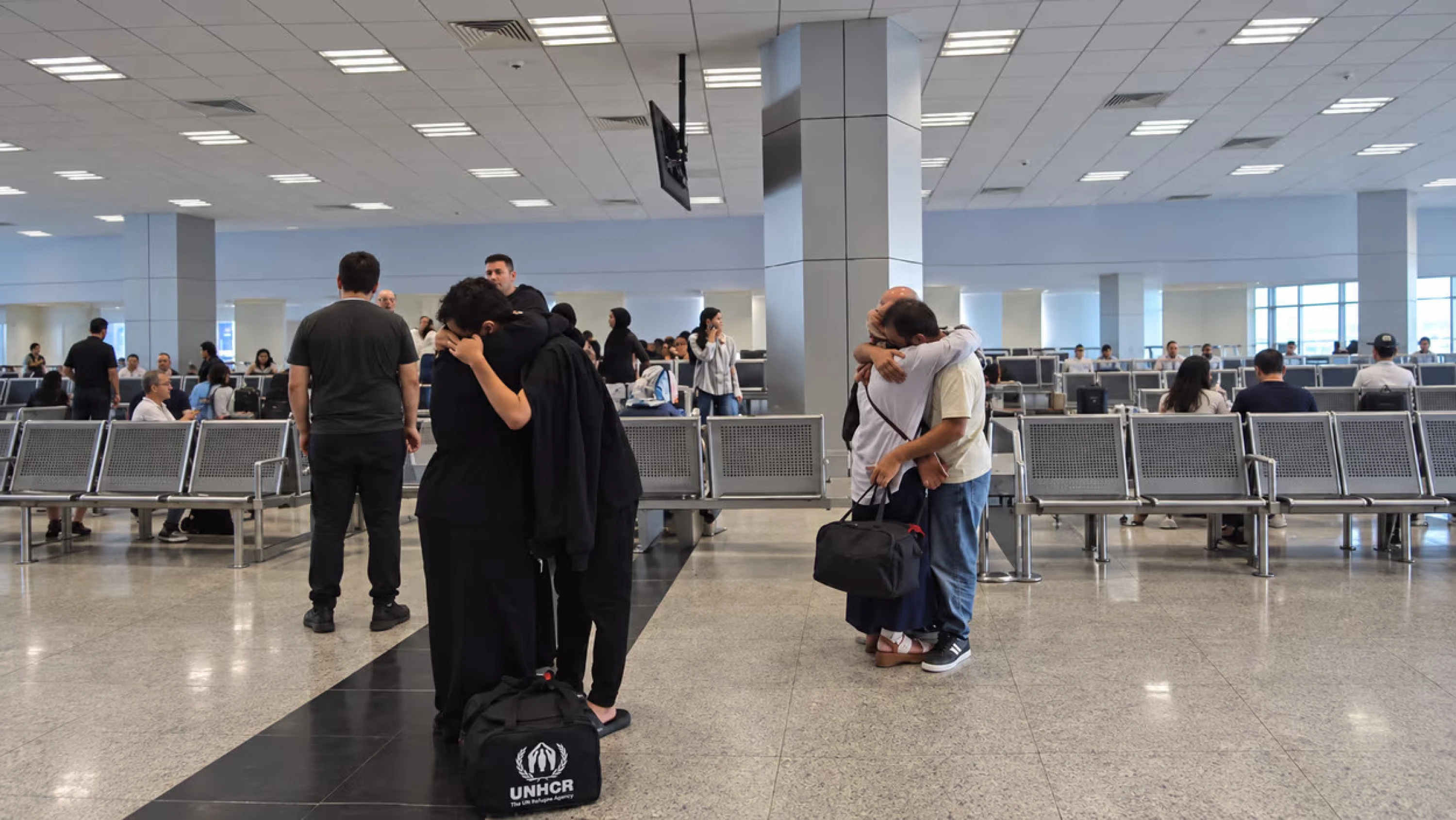
ERBIL, Kurdistan Region of Iraq – The Kurdistan Regional Government (KRG) is set to repatriate three more migrants from Libya, while efforts continue to find and return 11 others who remain missing, an official told The New Region on Monday.
The New Region has learned that the three individuals are set to fly from Istanbul on Thursday night and be received by their family and loved ones at Erbil International Airport upon landing.
The cost of their return will be covered by the Office of Prime Minister Masrour Barzani.
“We have put all our efforts into determining the fate of these young men, and we will certainly do whatever is necessary to find them and return them to the Kurdistan Region,” Salim Pasha, a senior advisor at the Kurdistan Regional Government’s (KRG) Department of Foreign Relations (DFR), told The New Region on Monday regarding the missing individuals.
The 11 missing individuals are from the Kurdistan Region’s Raparin Administration and traveled to Libya around two months ago.
Earlier this month, 33 Kurdish migrants who had gone missing in Libya were returned to the Kurdistan Region, in an effort by the DFR under the directive of Prime Minister Barzani, and in coordination with the Iraqi Embassy in Tripoli.
At least 335 Kurdish migrants have been repatriated from Libya in recent years.
Many migrants trekking the perilous journey to Europe use the Libyan waterways to reach Italy through smuggling routes, often using boats that are not seaworthy and are prone to capsizing in the Mediterranean Sea.
The Iraqi government has routinely warned of the dangers of illegal migration, with Libya having gained popularity in recent years as a major transit hub on the journey to Europe. Not counting individuals from the Kurdistan Region, more than 50 Iraqi migrants have been returned to the country in recent years.
Over 700,000 migrants were registered in Libya last year, according to the International Organization for Migration (IOM).
In November, the IOM said more than 1,000 people had died trying to reach Europe through the Central Mediterranean migration route in 2025.
 Facebook
 LinkedIn
 Telegram
 X
X