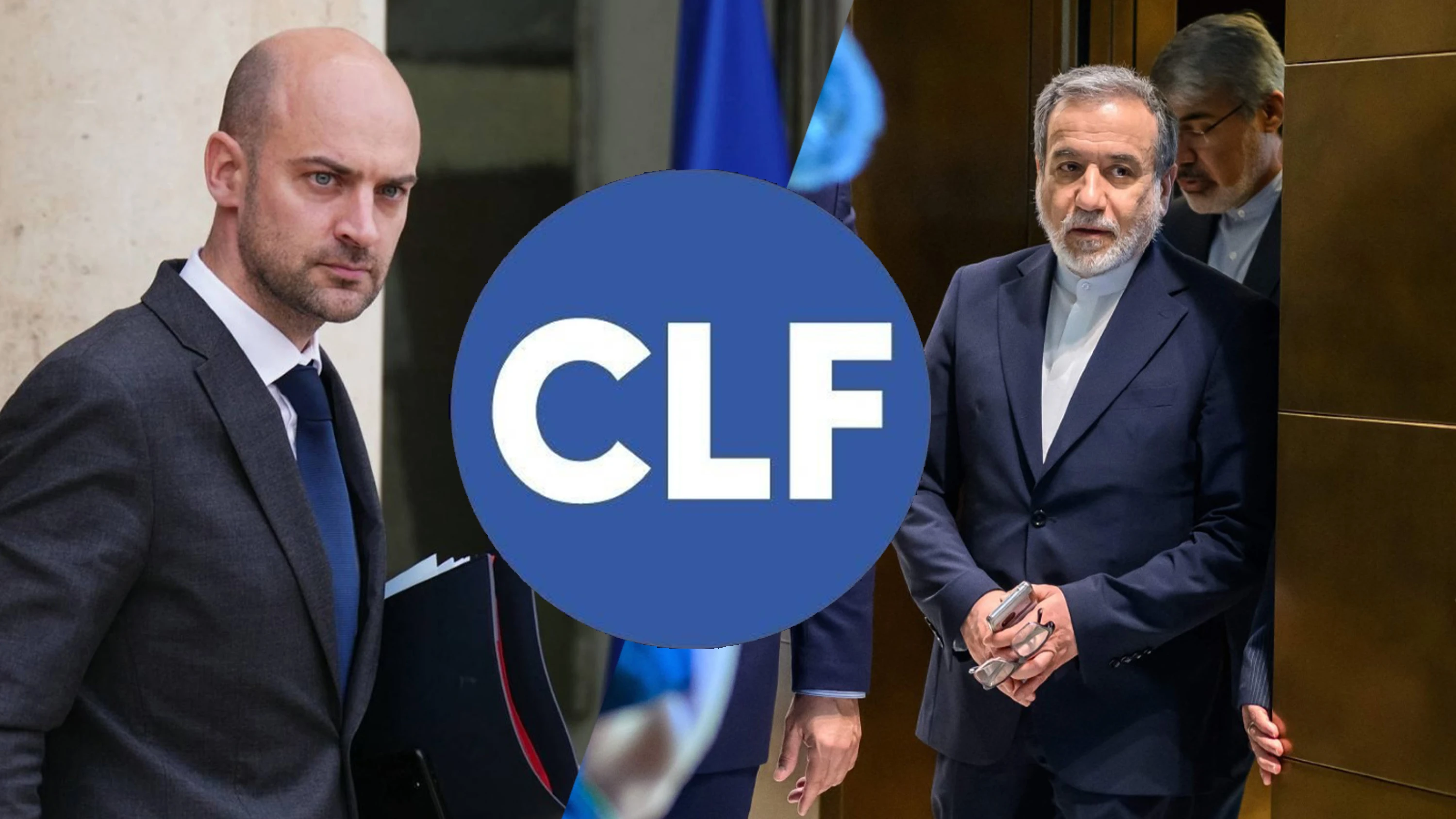
ERBIL, Kurdistan Region of Iraq – The Iranian and French foreign ministers discussed the recent diplomatic clash between the two countries over the closure of a French language center in Tehran, with Paris describing the incident as “unacceptable,” while Tehran called on France to respect the country’s “internal laws and regulations.”
On Sunday, Iran closed the French Language Center (CLF) in Tehran, accusing the institution of conducting activities that were “threatening national security,” undermining the country’s cultural norms, and facilitating the identification and departure of Iranian elites from the country.
Iranian Foreign Minister Abbas Araghchi and his French counterpart Jean-Noel Barrot held talks on the sidelines of the high-level week in New York on Tuesday, where they discussed regional developments and relations between the two countries.
During the meeting, Araghchi “criticized France's interventionist positions towards Iran and emphasized the need for the French Embassy to respect Iran's internal laws and regulations,” Iranian state media reported on Wednesday.
For his part, Barrot described the events as “unacceptable attacks” against France’s diplomatic mission staff in Tehran, reiterating France’s “condemnation of the intrusion by Iranian security forces into the French Language Center and the Iranian authorities’ decision to close the center,” according to a statement from the ministry.
Barrot “reaffirmed the absolute necessity of guaranteeing the safety of French diplomatic personnel and facilities in Iran.”
Soon after the centers’ closure, France’s foreign ministry condemned the incident in the “strongest possible terms,” noting that attacks on French cultural activities and its diplomatic mission staff in Iran are “unjustifiable and unacceptable,” and that France will take “appropriate measures in response.”
On Monday, Tehran reacted, describing Paris’s stance as “absolutely unacceptable,” calling the center’s activities “illegal” and stressing that the diplomatic mission cannot be exempt from the country’s laws and regulations.
In July, France said that two officials from its embassy in Tehran were detained by Iranian security forces “without reason” for several hours and interrogated, claiming that one of them was “assaulted”, with Barrot describing the incident as an “extremely serious” act of intimidation by Tehran.
Tehran later denied the allegations as “baseless and false,” claiming that they were involved in a meeting with “security suspects.”
In April, two French nationals who had been detained in Iran for more than three years were released. Tehran allowed them to leave the country under an agreement with Paris to withdraw its case before the International Court of Justice (ICJ).
The pair were sentenced to 31- and 32-years’ imprisonment in October 2025 by Iran’s judiciary on charges of spying for French intelligence, cooperation with Israel, and compromising the country's security.
The two French academics were held in Iranian custody after being detained in 2022 during a trip to the country, at a time when Iran was witnessing one of its largest nationwide uprisings following the death of Zhina (Mahsa) Amini in police custody, known as the “Woman, Life, Freedom” (Jin, Jiyan, Azadi) movement.
Tehran has frequently accused European nationals traveling to Iran of espionage or fomenting unrest, allegations that critics say are part of a broader pattern of Iran’s hostage diplomacy.
 Facebook
 LinkedIn
 Telegram
 X
X