
ERBIL, Kurdistan Region of Iraq - Iraq is seeking to coordinate positions with regional and international partners to expand cooperation to foster stability during Prime Minister Ali al-Zaidi’s meetings with world leaders at the United Nations General Assembly in New York, his cabinet spokesperson told state media on Wednesday.
The Iraqi premier arrived in New York on Monday for the high-level General Debate of the 81st United Nations General Assembly, marking his second trip to the US since taking office. He is set to deliver Iraq’s remarks at the event on Friday.
Zaidi “seeks and adopts an important program to coordinate positions and create opportunities for cooperation and move from the space of difference, conflict and complexity to the field of cooperation and integration, leading to stability,” said Iraqi government spokesperson Haider al-Aboudi.
Since assuming office in mid-May, Zaidi has stressed the importance of strengthening Baghdad’s ties with its regional and international partners, while leading major campaigns at home to root out corruption and disarm non-state armed groups.
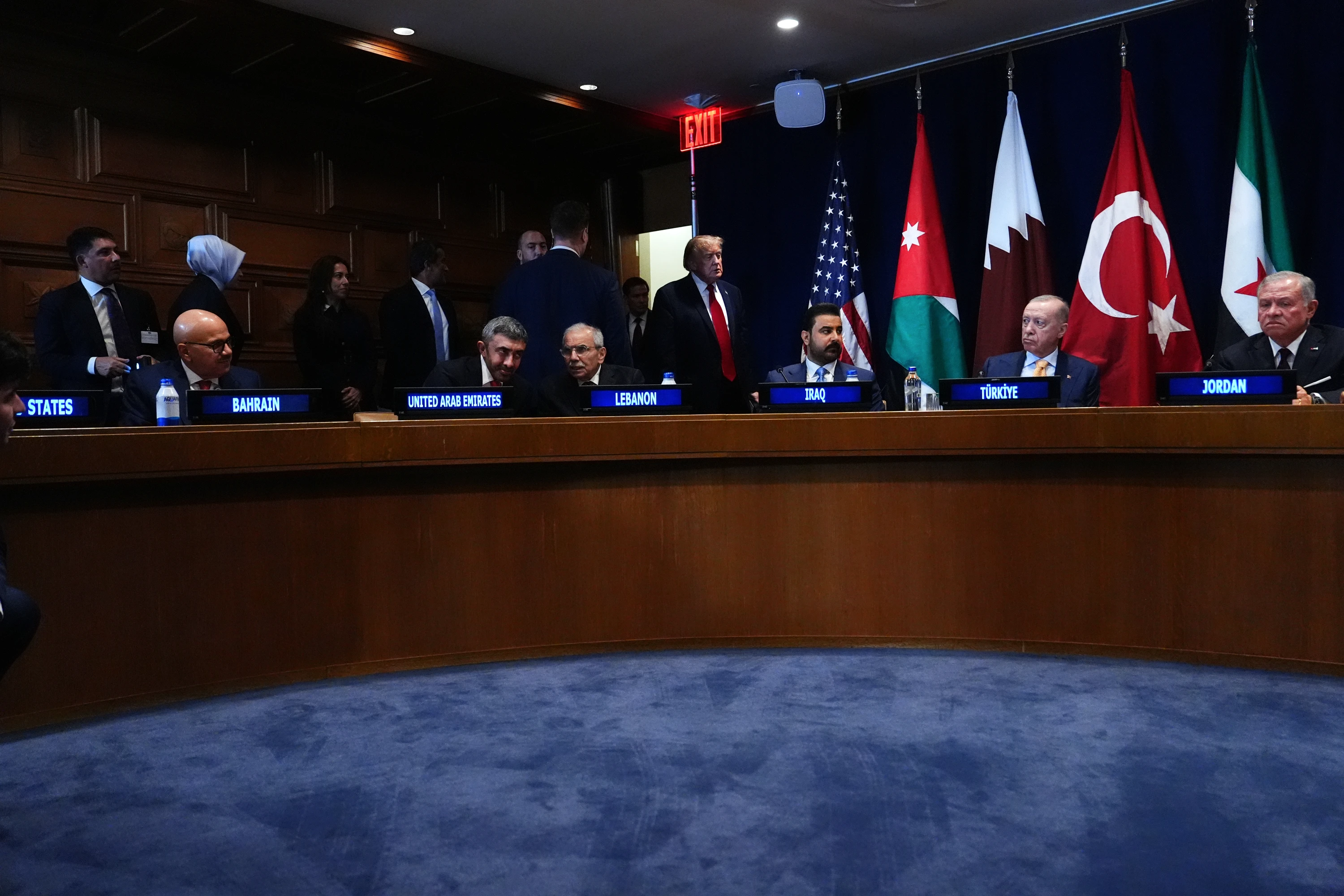
On Tuesday, Zaidi took part in a multilateral meeting with US President Donald Trump and the Gulf Cooperation Council (GCC), attended by several other Middle East leaders including Turkish President Recep Tayyip Erdogan and Syria’s Ahmed al-Sharaa.
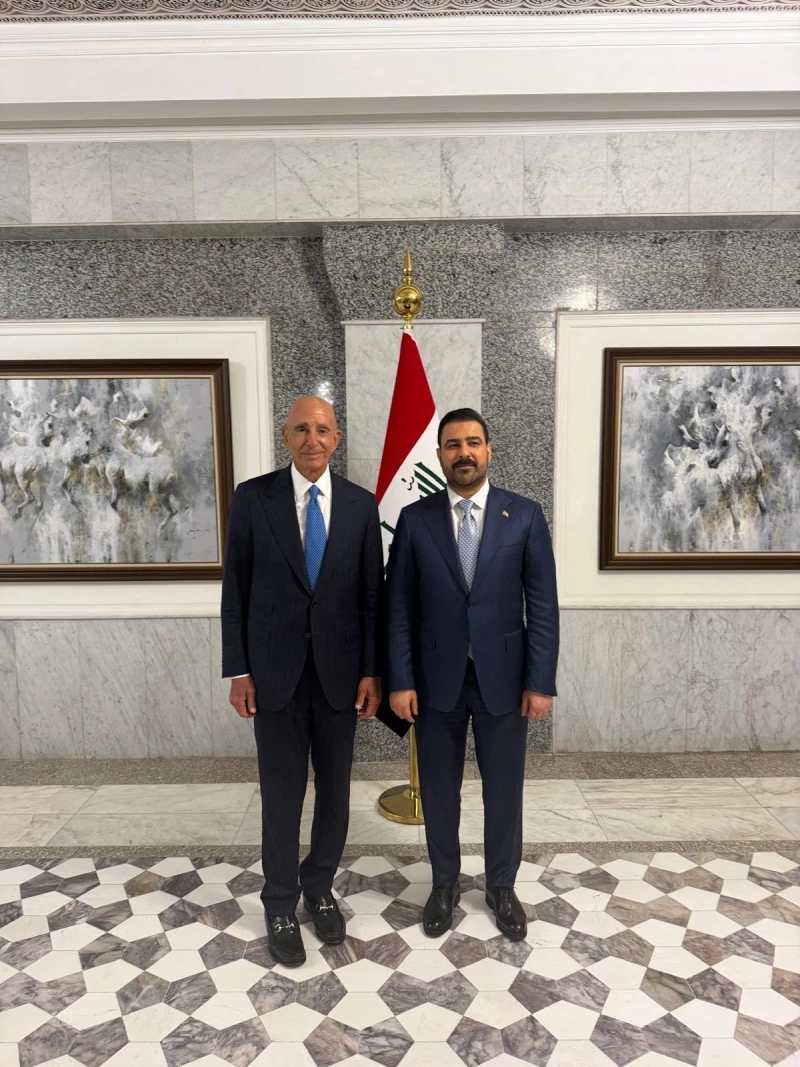
The Iraqi prime minister also held meetings with the heads of ExxonMobil and HKN Energy while in New York, discussing avenues for investment and further developing oil fields in Iraq.
Iraq has also tried to play a deescalatory role in the war between the US and Iran, despite attacks carried out on its soil from both sides of the conflict.
“The Iraqi government is keen on the stability of the region and is working in coordination with regional and international partners to develop all possible solutions that help to calm tensions,” Aboudi said.
Iraqi Foreign Minister Fuad Hussein on Wednesday met with his Iranian counterpart Abbas Araghchi where he stressed the need to continue dialogue with the US in order to “contain tensions,” the foreign ministry said.
“Araghchi presented an overview of the indirect communications and discussions that began between the Iranian and American sides, through an intermediary country,” it added.
A US official and the Iranian delegation at the UN General Assembly held a “very good” three-hour meeting on Tuesday, Trump said, with another meeting scheduled in the “very near future.”
The US-Iran war and the subsequent closure of the Strait of Hormuz have taken a significant toll on Iraq’s oil exports and economy, as the country ships the majority of its crude through the strategic waterway.
"The region represents the largest oil basin and one of the largest suppliers of crude oil to the global market, and Iraq represents an important player in this market,” Aboudi asserted.
Since the conflict started in late February, the warring parties have on several occasions paused hostilities and held talks, even reaching a short-lived deal in June, but have ultimately resulted trading blows while attempts at diplomacy continue.
 Facebook
 LinkedIn
 Telegram
 X
X