
ERBIL, Kurdistan Region of Iraq – Iraq’s government said Saturday it is in “direct dialogue” with the US to secure exemptions for some Iraqi airports from measures targeting flights by Iranian airlines, as flights between Iraq and Iran remain suspended and pro-Iran groups condemn the move.
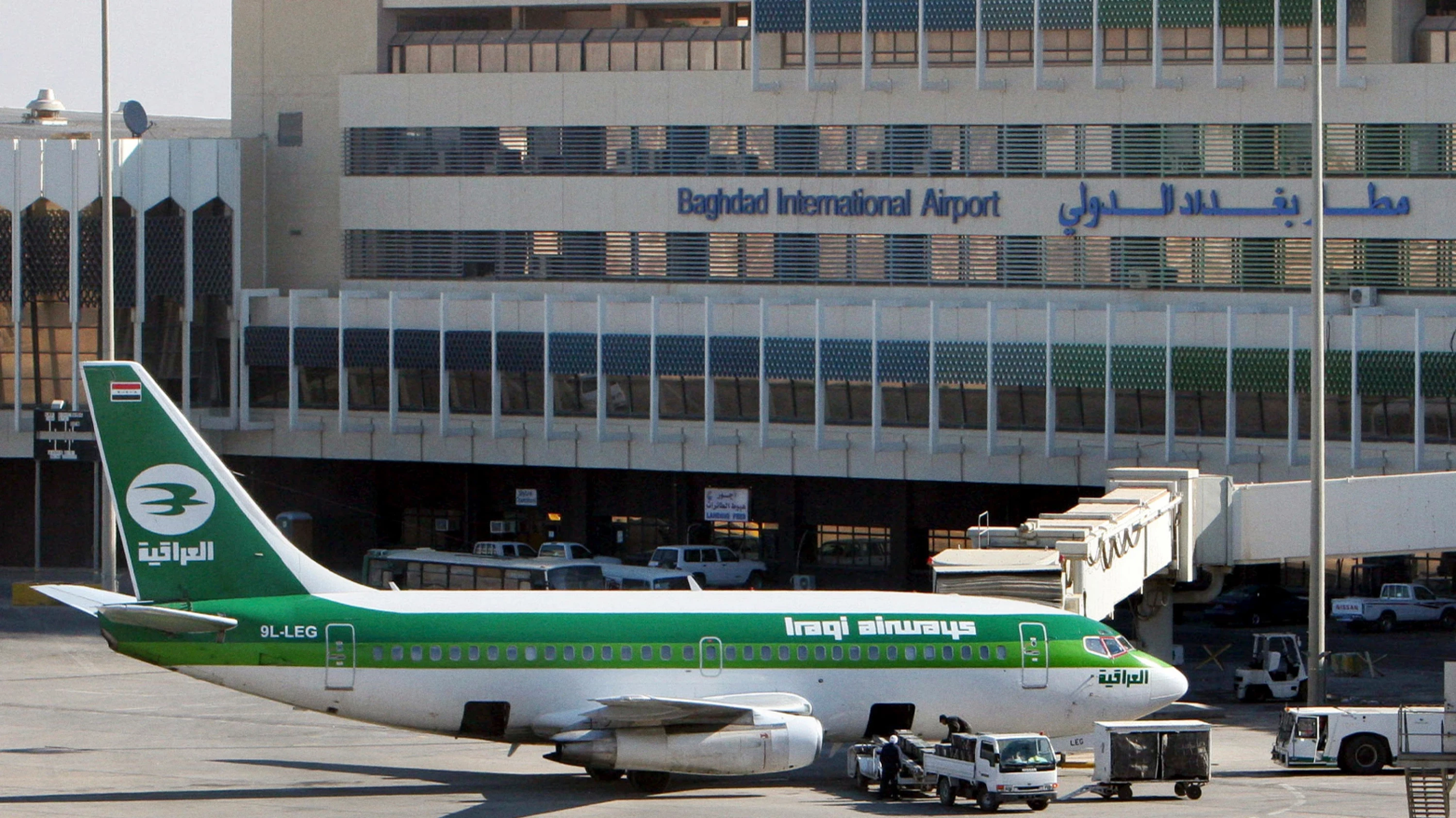
“The Iraqi government is engaged in direct dialogue with the US side to secure exemptions for certain Iraqi airports from these measures,” the Iraqi prime minister’s office said Saturday, adding that the exemptions would allow flights to resume for “humanitarian reasons” related to medical treatment, education, religious pilgrimages, and the interests of civilians.
The Iraqi government called on all parties “to engage in dialogue and negotiation to reach solutions that end the current crises and conflicts,” according to the statement.
Najaf International Airport on Friday said it would suspend all incoming and outgoing flights to and from Iran based on official directives from relevant authorities. All Iraqi airports, including those in Baghdad and the Kurdistan Region’s Erbil and Sulaimani, also enforced the ban, a government source told AFP.
The move came days after Iran’s civil aviation authority announced that Baghdad “will no longer receive flights from Iran,” with Tehran coordinating to redirect flights bound for Baghdad to Najaf airport instead.
Washington had announced that it would impose sanctions on any global companies doing business with Iranian airlines after September 23, in a move aimed at grounding Iran’s entire civilian fleet worldwide.
Abu Ala al-Walai, secretary-general of Iraq’s pro-Iran Kataib Sayyid al-Shuhada armed group, said Saturday in a statement that it is “unbecoming” of Iraq to be part of “an unjust siege against Iran” and that it must “declare no to the siege.”
It called upon “mujahideen brothers” in the Iraqi parliament to work to “issue a resolution obligating the government not to submit to the evil will of America.”
Abu Hussam al-Sahlani, a deputy of the powerful pro-Iran Badr Organization, said in a late Friday statement that the US was committing “a new act of folly by imposing a ban on Iranian civil aviation in Iraqi airspace and at its airport grounds.”
The statement called upon the Iraqi government to “immediately denounce this aggressive act and demand its immediate cessation” and to engage with relevant international institutions “to exercise their role in stopping this arbitrary, unilateral, and illegitimate act.”
It also called upon people from Iraq and Iran to travel by air to visit holy shrines in both countries or for trade, study, medical treatment, and social communication.
A source familiar with the matter told Iraqi state media on Wednesday that the suspension of Iranian flights at Iraqi airports was due to private ground-handling service companies “declining to provide services” over fears of American sanctions.
The leader of Iraq’s Iran-backed Harakat al-Nujaba militia group, Akram al-Kaabi, also criticized the move in a statement, calling for mass sit-ins at Iraq’s airports “until the unjust American decision is overturned.”
Ali al-Daffayi, spokesperson for the Islamic Supreme Council of Iraq, also criticized the closure of Iraqi airports to flights from Iran “without prior notice,” saying it had left patients, students, and visitors in difficult circumstances.
He urged authorities to “swiftly address the issue”, consider humanitarian exceptions, and protect the interests of Iraqi citizens while taking into account “the unique nature of relations and shared interests” with neighboring countries.
On Monday, US Treasury Secretary Scott Bessent asserted that all Iranian airlines will be “shut down around the world,” as part of Washington’s economic pressure on the Islamic republic.
“If they land, you cannot provide them with fuel, you cannot provide them with landing services, you cannot sell them tickets, or you will be knocked out of the dollar system,” Bessent added.
The UAE’s General Civil Aviation Authority announced on Thursday that it was suspending all flights from Iranian airlines to and from the country, explaining that the decision came based on the US ban.
Last week, Mahan Air, an Iranian airline sanctioned by the US for alleged ties to the Islamic Revolutionary Guard Corps (IRGC), announced that decisions made by Omani and Turkish aviation authorities had led to the cancellation of flights between Iran and Oman from September 17 and those to Turkey from September 21 “until further notice.”
In a televised interview on Wednesday, Mohsen Rezaei, secretary of Iran’s Supreme National Security Council, warned that airports in the region will not be able to operate flights either if they refuse services for Iranian aircraft.
In late August, Washington announced ‘Operation Economic Outcast,’ a large-scale sanctions package on Iran that seeks to clamp down on third parties that directly and indirectly support the Iranian regime by facilitating its oil exports and shadow economy.
 Facebook
 LinkedIn
 Telegram
 X
X