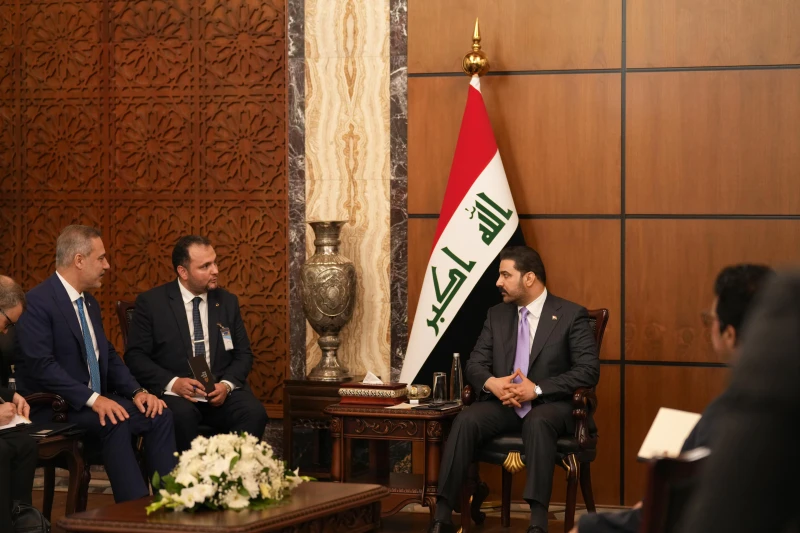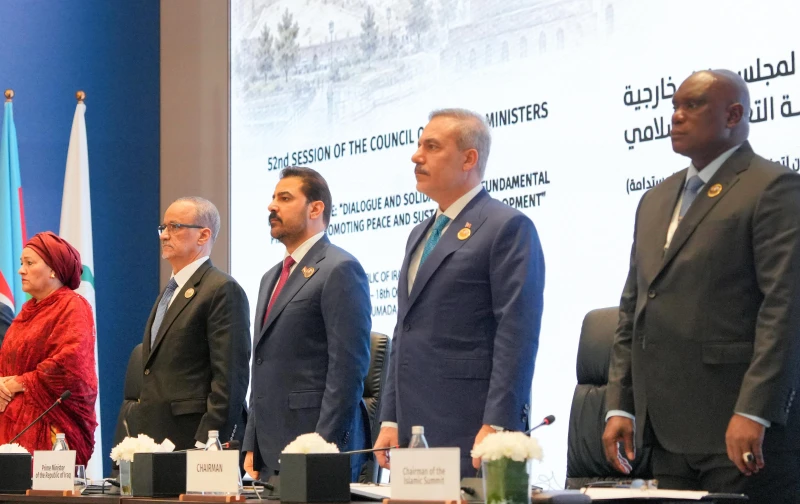
ERBIL, Kurdistan Region of Iraq – Iraqi and Syrian authorities agreed to establish “direct” electronic communication channels between their border crossings, an Iraqi official said Sunday.
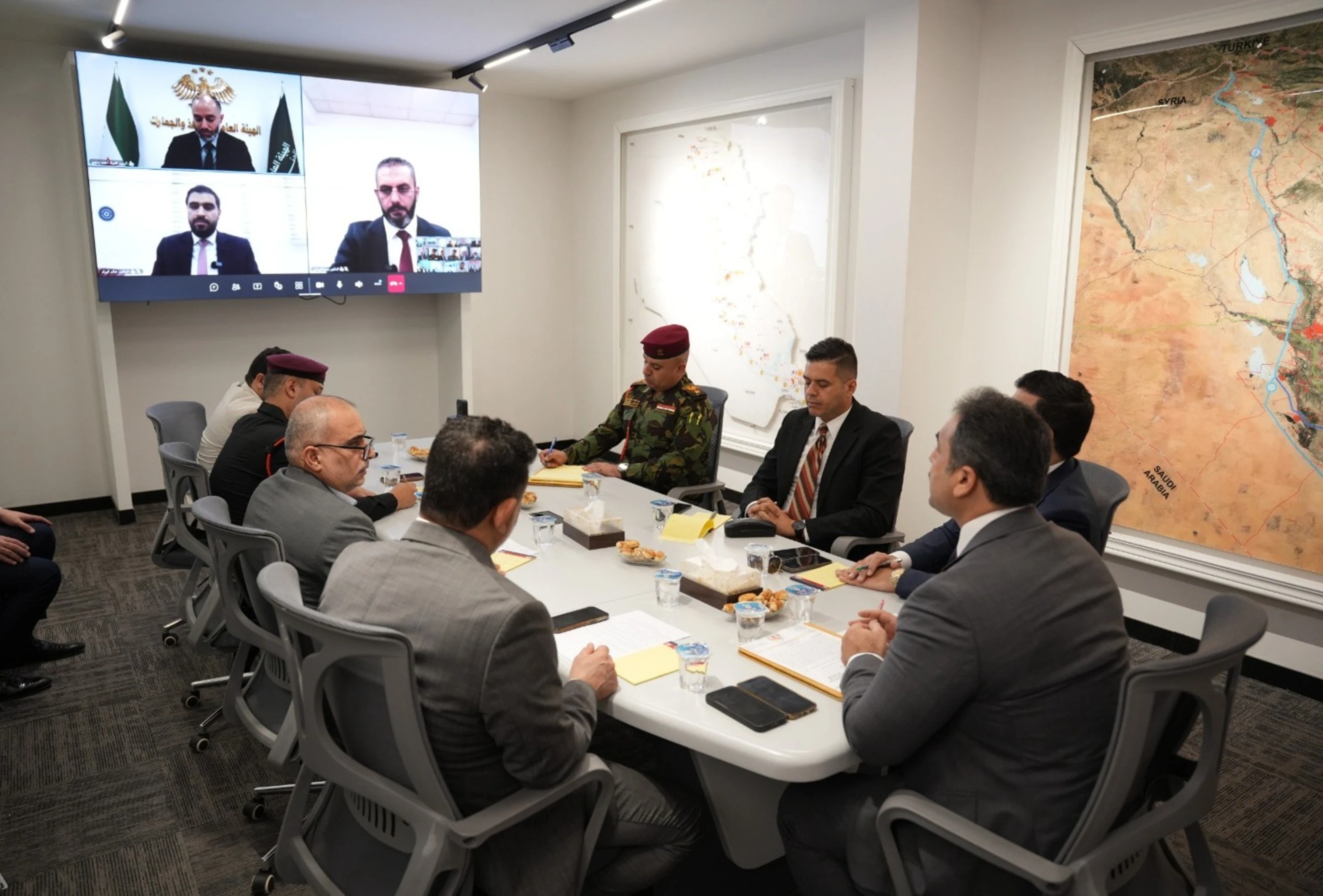
The agreement was reached during a video conference between officials from both sides to discuss improving communication and trade through the Rabia, Waleed and Qaim crossings, according to state media.
In late August, Iraqi Prime Minister Ali al-Zaidi directed border authorities to connect all border crossings across the country “through a secure electronic system” to provide comprehensive daily reports on operations and revenues, further secure borders against smuggling, and boost international trade and transport.
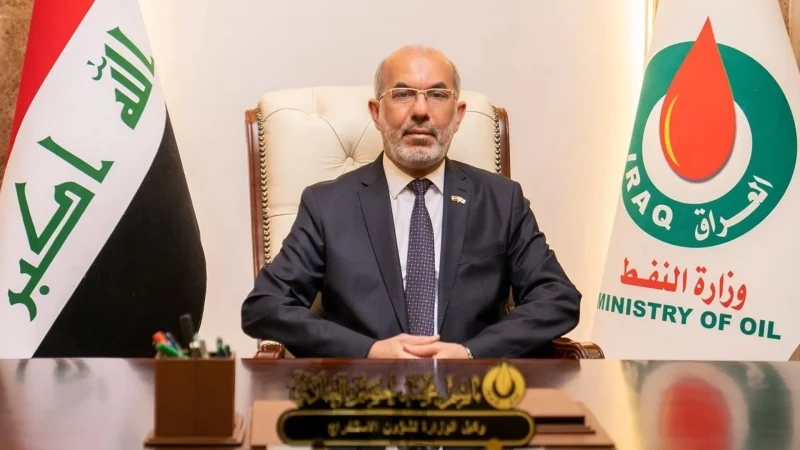
Following Zaidi’s directive, an agreement was reached to “open direct communication channels” between the two countries’ border crossings to exchange information and coordinate efforts to address obstacles and ensure the smooth flow of trade, Iraq’s border ports commission spokesperson Alaa al-Din al-Qaisi said, according to state media.
He added that an agreement was reached “to resume passenger traffic” at the Waleed border crossing after the completion of passport halls and roads, which are expected to be completed at the beginning of next year. Passengers will meanwhile be allowed to enter through the Rabia and Qaim crossings.
The parties also agreed to “the electronic transfer of customs data” to save time and ensure data accuracy and conformity of data description, weight, and customs duty.
Since early 2025, Baghdad has largely switched from paper customs declarations to electronic declarations under ASYCUDA, which stands for the Automated System for Customs Data.
The fully digital customs system was developed by the UN Conference on Trade and Development (UNCTAD).
The Iraqi and Syrian authorities on Sunday also emphasized the need to maintain ongoing communication and coordination to yield commercial and economic benefits for both sides, according to the statement.
Baghdad has accelerated the fortification of its western border with Syria since December 2024 out of concerns over the infiltration of extremists into Iraq.
Before the ouster of the Bashar al-Assad regime in late 2024, Syria served as a crucial land corridor that allowed Hezbollah, a Lebanese paramilitary group and political party, to receive arms and other supplies from its primary external backer, Iran.
In mid-July, Zaidi ordered the formation of a high-level committee to investigate an attempted weapons-smuggling operation on the Syrian border after Damascus said its forces had seized a shipment allegedly destined for Lebanon's Hezbollah.
 Facebook
 LinkedIn
 Telegram
 X
X