Iran judiciary chief calls for tougher hijab enforcement
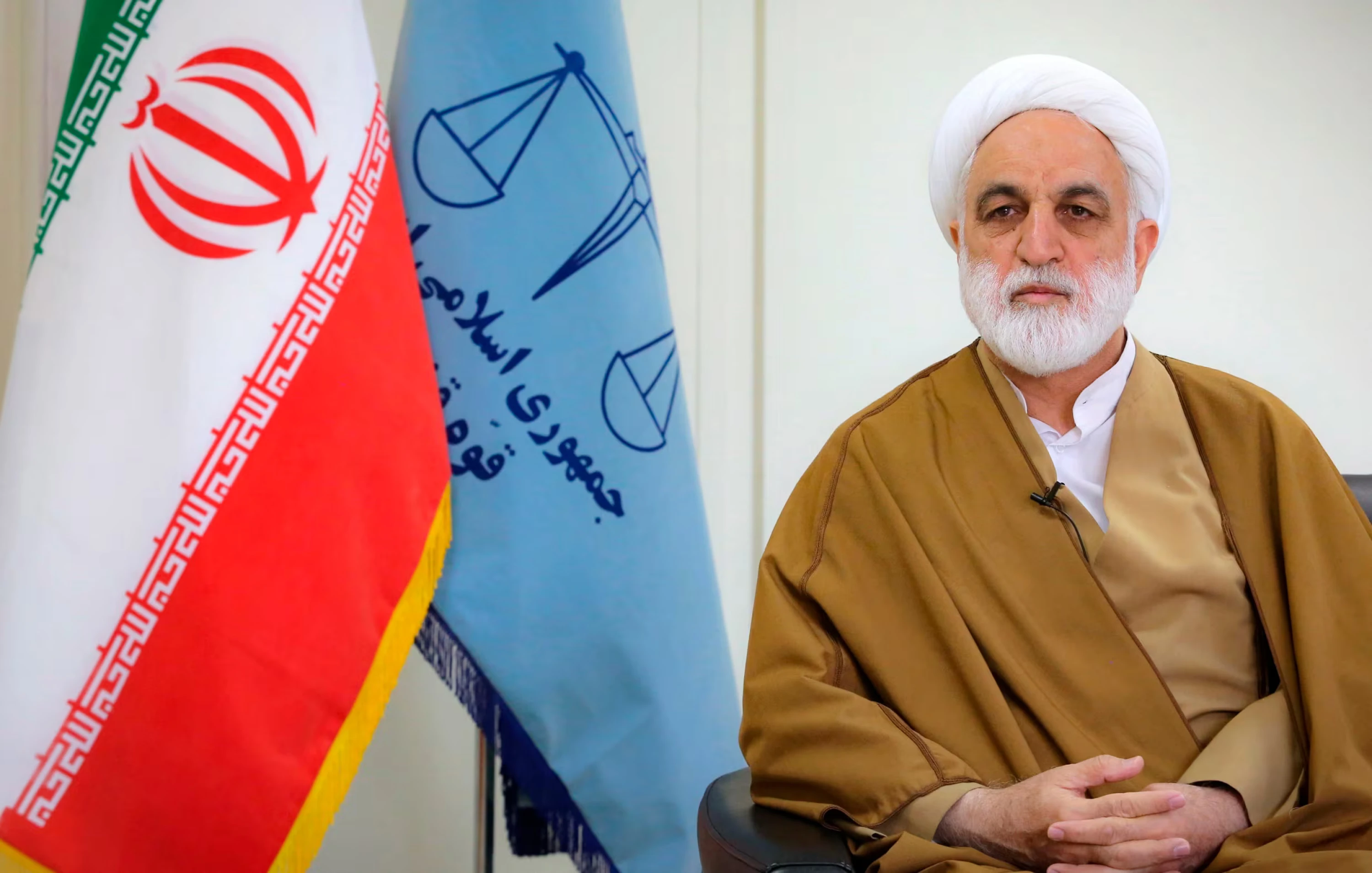
ERBIL, Kurdistan Region of Iraq – Iran’s hardline judiciary chief on Monday called for hijab enforcement to be placed on the country’s security agenda, describing women appearing in public without the mandatory headwear as “nudity” and “intolerable”, while urging the president and parliament to take new measures.
In the wake of the women-led nationwide protest movement in 2022, appearing in public in Iran without the mandatory hijab has increasingly become part of everyday life for Iranian women, even as they continue to face strict restrictions on their freedoms.
“I declare that this state of nudity is intolerable,” judiciary chief Gholamhossein Mohseni Ejei said during the supreme judiciary council meeting on Monday.
“Prosecutor general, I want you to place this matter on the Security Council's agenda. I call on all relevant officials, both those who must take constructive measures and those where law-enforcement, intelligence, or judicial action may be needed,” he added.
The death in custody of Zhina Amini, a young Kurdish woman from Saqqez, in September 2022 after being arrested over her lax hijab sparked one of Iran’s largest protest movements , known as the “Woman, Life, Freedom” (Jin, Jiyan, Azadi) movement.
Iran’s morality police, a unit under the Law Enforcement Command tasked with enforcing Islamic dress codes in public, was suspended after the 2022 unrest.
“Take actions without fear of the protests that might ensue, for there will always be some who oppose any given course of action,” Ejei said, calling on Iran’s Basij paramilitary members and pro-government supporters to take measures against what he called “social misconduct.”
“What is necessary today is to put an end to this spectacle. The President surely agrees with this as well, and he opposes this state of nudity,” the senior hardliner official added.
Following the 2022 protests, the judiciary proposed a new hijab bill titled “Law on Protecting the Family through the Promotion of the Culture of Chastity and Hijab.” The bill was passed by parliament in 2023 and introduced harsher penalties for women who violate the country’s strict dress code.
Despite being passed by parliament, the law has not been enforced. President Masoud Pezeshkian has refused to ratify the legislation, effectively preventing its implementation amid continued debate over the mandatory hijab rules.
In mid-September, the Iranian president’s deputy for legal affairs Majid Ansari said enacting the new hijab bill had “serious issues,” noting that “many of its provisions were entirely unimplementable.”
“The overall assessment indicated that implementing this law would inevitably compromise societal security and tranquility,” he said.
Under the new bill, women who do not comply with mandatory hijab regulations can face punishments including monetary fines, travel restrictions, and limitations on digital access.
Repeated violations can result in prison terms of three months to a year and fines of over $2,000.
Following the 1979 revolution, the newly proclaimed Islamic Republic declared wearing the hijab compulsory for women. People who have failed to abide by the mandatory headwear policy face the threat of arrest or being fined.
 Facebook
 LinkedIn
 Telegram
 X
X