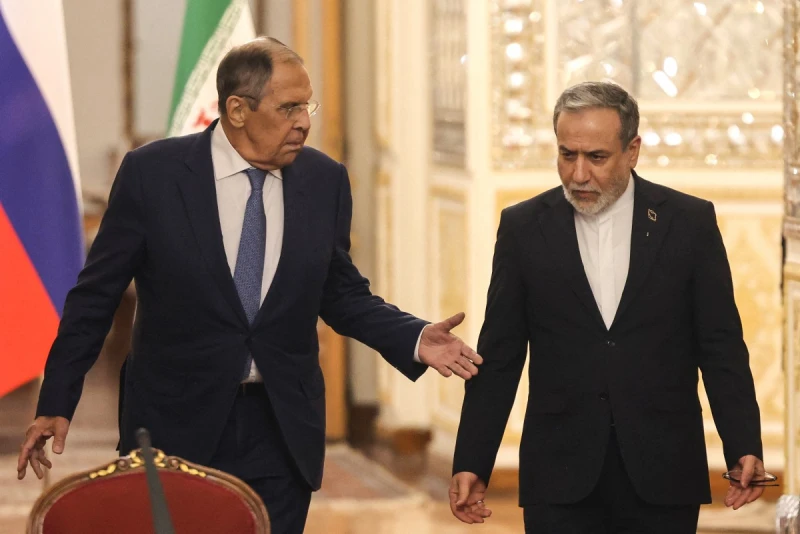
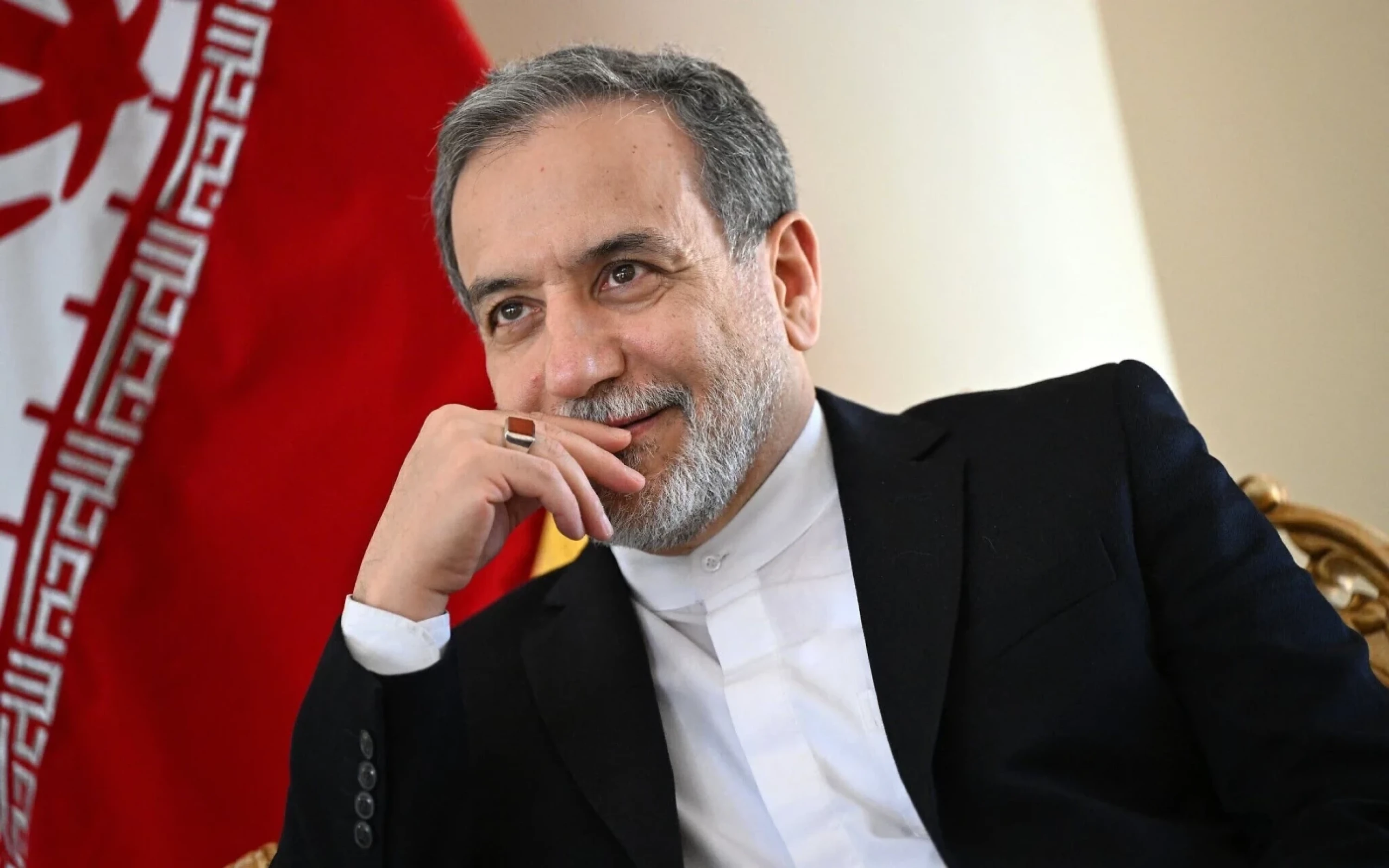
ERBIL, Kurdistan Region of Iraq – Iranian Foreign Minister Abbas Araghchi said Monday that Tehran has discussed “ideas” with Qatari mediators that Doha will present to the US, days after an Iranian proposal to return to the June peace memorandum fell flat.
Araghchi said one of the missions of his visit to New York was to convey Tehran’s demands for reopening the Strait of Hormuz to the US, and “ensure that all other nations” know that Iran has a plan regarding the matter.
The Iranian top diplomat noted that they have conveyed Tehran’s ideas and conditions to the US through Qatari mediators, and that “the final response from the US side will be conveyed to us.”
“If the Americans claim to be seeking an agreement or a peaceful solution, we have put forward that very solution,” the foreign minister told Iranian state media.
Araghchi’s remarks come mere days after US President Donald Trump flatly rejected an Iranian proposal which entailed a return to the June memorandum of understanding (MoU) signed between the two sides under Pakistani mediation.
Iran closed the strait after US-Israeli strikes killed the top brass of Iran’s leadership, catapulting the region into a conflict that persists today. The two sides remotely signed the Islamabad MoU.
The agreement collapsed weeks later when the US claimed Iran had struck a vessel in the Strait of Hormuz.
The Iranian foreign minister met with the Qatari mediators earlier on Monday “to cover the latest developments regarding messages exchanged with the US,” Iranian state media reported, adding that the talks specifically focused on Iran's “seven conditions” for reopening the Strait of Hormuz.
Trump said the US and Iranian delegations exchanged messages through mediators, after Araghchi’s meeting with the Qataris mediators.
“We're going to win. As far as I'm concerned, it's going to be one way or the other,” said Trump, adding “it's going to go pretty quickly too.”
On Saturday, Trump said he was rejecting a proposal from Iran to “immediately” open the Strait of Hormuz, boasting that the US already has “total control” over the vital waterway.
 Facebook
 LinkedIn
 Telegram
 X
X