ERBIL, Kurdistan Region of Iraq – Authorities in Dhi Qar on Sunday announced the allocation of 50 billion dinars (over $38 billion) to provide clean water and reduce pollution sources in the province’s struggling marshlands.
Adnan Abdullah, head of Dhi Qar Marshes and Wetlands Projects Department said that work is ongoing to ensure the supply of clean water to the area by rehabilitating and monitoring water regularly.
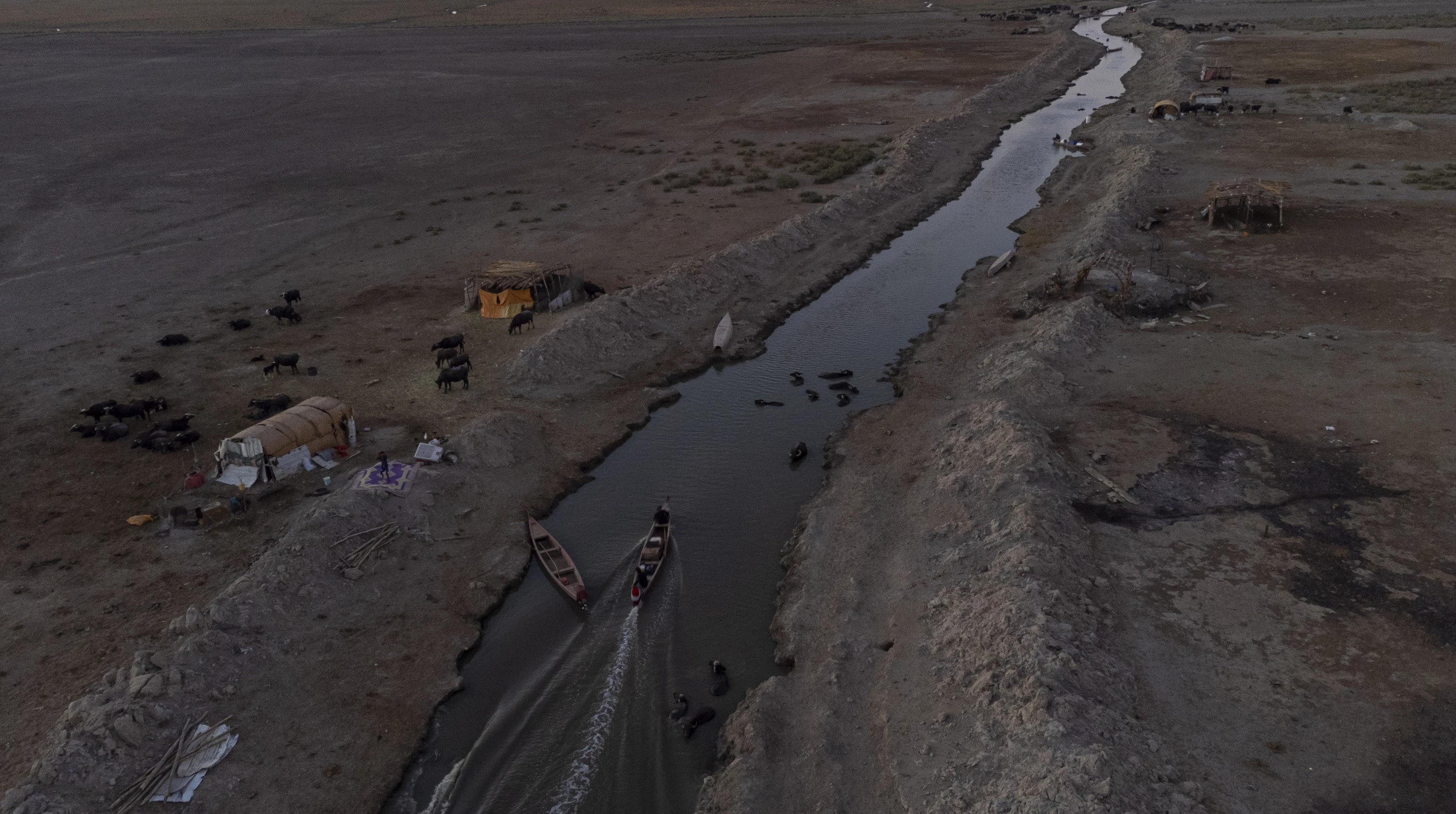
The marshes, a UNESCO World Heritage site, have been severely affected by climate change.
Increasing temperatures and drought have dealt great damage to the marshes, leading to the loss of large areas once used for farming, fishing, and livestock, forcing many indigenous inhabitants to relocate to other parts of the country.
“The Great al-Islah Water Project” will fund the infrastructure and services in the al-Islah, Sayyid Dakhil, al-Fuhoud, al-Chibayish, and al-Manar sub-districts in Dhi Qar province, Abdullah added.
He noted that the measures are set to include “dredging, maintenance and cleaning of streams, feeders and waterways,” particularly during periods of flooding and scarcity, to “ensure the smooth flow of water and its arrival to the marsh areas.”
In 2025, local officials and displaced residents said more than 10,000 families have been forced to abandon their homes and farms in Dhi Qar province due to worsening climate conditions, in one of the largest waves of internal displacement in southern Iraq in recent years.
Many relocated to the holy city of Najaf, while others now live in informal settlements on the outskirts of urban centers.
Most of the displaced people have no formal education or skills beyond farming and animal husbandry. As a result, many now live below the poverty line, struggling to adapt to city life and relying on limited food aid from Iraq’s Ministry of Migration and international organizations.
“Improving the water, environmental and service situation contributes to the stability of the marsh dwellers and reduces their displacement to other areas,” Abdullah said.
Iraq has launched several campaigns to restore the situation in the marshlands. In December, Dhi Qar’s Water Directorate announced the implementation of a series of programs, costing around 14 billion dinars.
In May 2025, a near-identical project to the latest was announced, also with a 50-billion-dinar budget, targeting the same areas of Dhi Qar.
 Facebook
 LinkedIn
 Telegram
 X
X