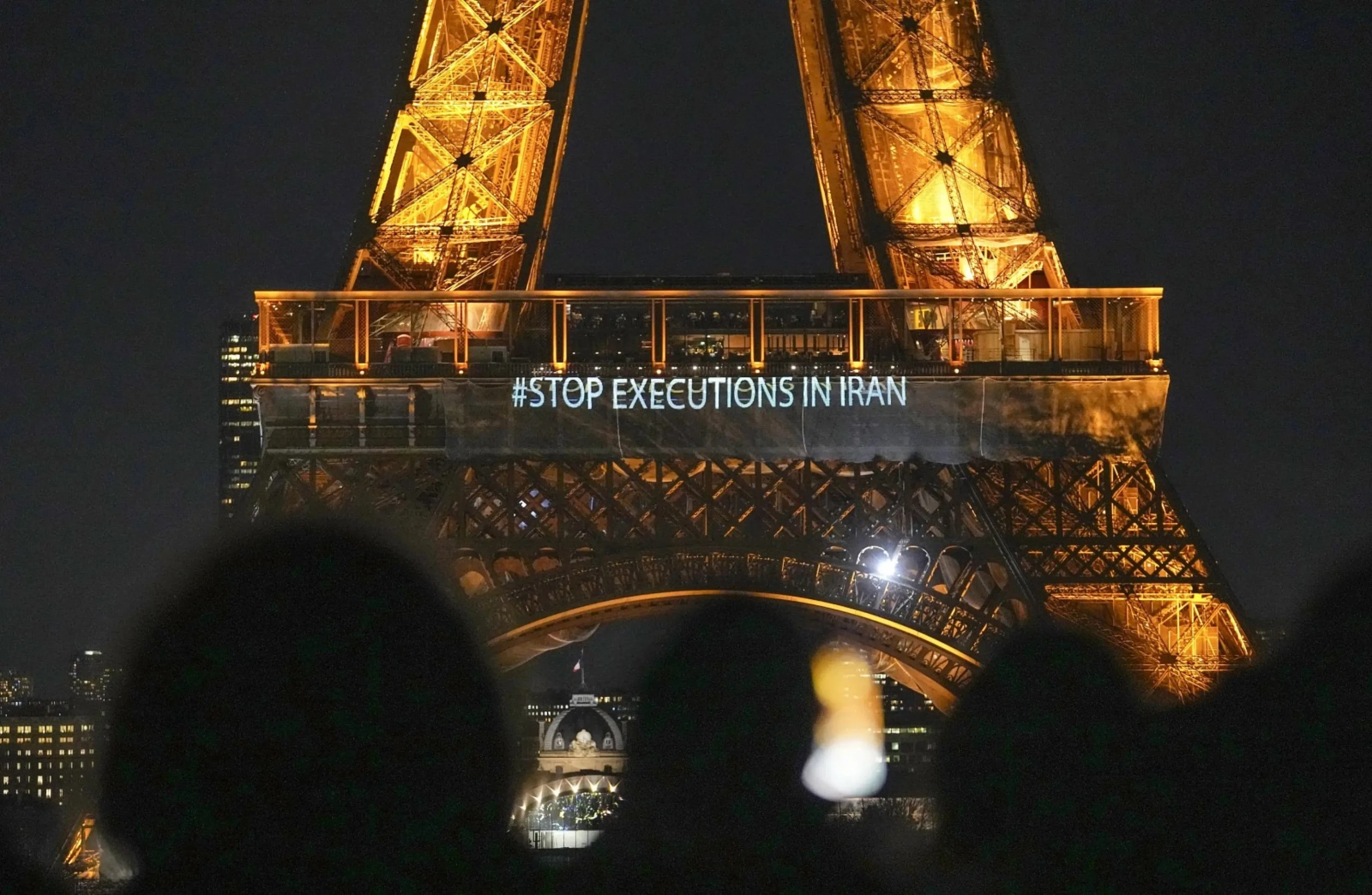
ERBIL, Kurdistan Region of Iraq - The European Union on Saturday blamed Iran for most of the executions recorded in 2025, while calling on countries to suspend the death penalty.
The European body issued a joint statement with the Council of Europe on World Day against the Death Penalty, noting that executions had risen by 78 percent in 2025, compared to the year before.
“Most [executions] took place in Iran but there were significant increases in Egypt, Kuwait, Saudi Arabia, Singapore and Yemen,” the EU said, adding that death penalties also continued in the United States.
The Islamic Republic has ramped up executions since the beginning of its war with the US and Israel, and January’s nationwide protests.
Iran was engulfed in nationwide protests starting late last year, as business owners and shopkeepers at Tehran’s Grand Bazaar went on strike and staged demonstrations over the falling value of the Iranian rial against the US dollar. The unrest later spread to other provinces, with chants increasingly targeting the state.
The protests led to a violent crackdown from Iranian authorities during which tens of thousands of people were killed, injured, or arrested. Dozens have been executed for their alleged involvement in the unrest since.
According to Amnesty International’s 2025 annual report on the use of the death penalty worldwide, global executions have surged to their highest level in over four decades, driven largely by Iran.
The report said Iranian authorities carried out at least 2,159 executions, more than double the previous year and the highest figure recorded in the country in decades. Iran alone accounted for around 80 percent of all recorded executions worldwide.
The US-based Human Rights Activists in Iran (HRANA) reported that it had confirmed the deaths of 6,388 protesters, as well as 236 children, during the period between December 2025 and February 2026.
The EU also noted progress towards abolishing capital punishment, praising Lebanon's decision to ban the death penalty in August, becoming the first Arab country to do so.
The European body also expressed concern over death sentences issued against drug offenders, a sentence prevalent in Iraq.
“Using the death penalty to punish drug production and trafficking does not meet this threshold, nor is it effective,” the EU said.
Iraq imposes either the death penalty or life imprisonment on individuals who import, transport, or cultivate narcotics or psychotropic substances.
In the first half of 2026, Iraq sentenced 58 people accused of drug-related offenses to death, according to Miqdad Miri, head of relations and media at the interior ministry in July.
“Under international human rights law, capital punishment is restricted to the most serious crimes, understood as crimes of extreme gravity involving intentional killing,” it added.
Despite imposing severe penalties, Iraq continues to face an escalating drug problem that has intensified since the US invasion in 2003, with bouts of regional turmoil and ensuing cross-border trafficking have led to increased availability of illegal substances in the country.
 Facebook
 LinkedIn
 Telegram
 X
X