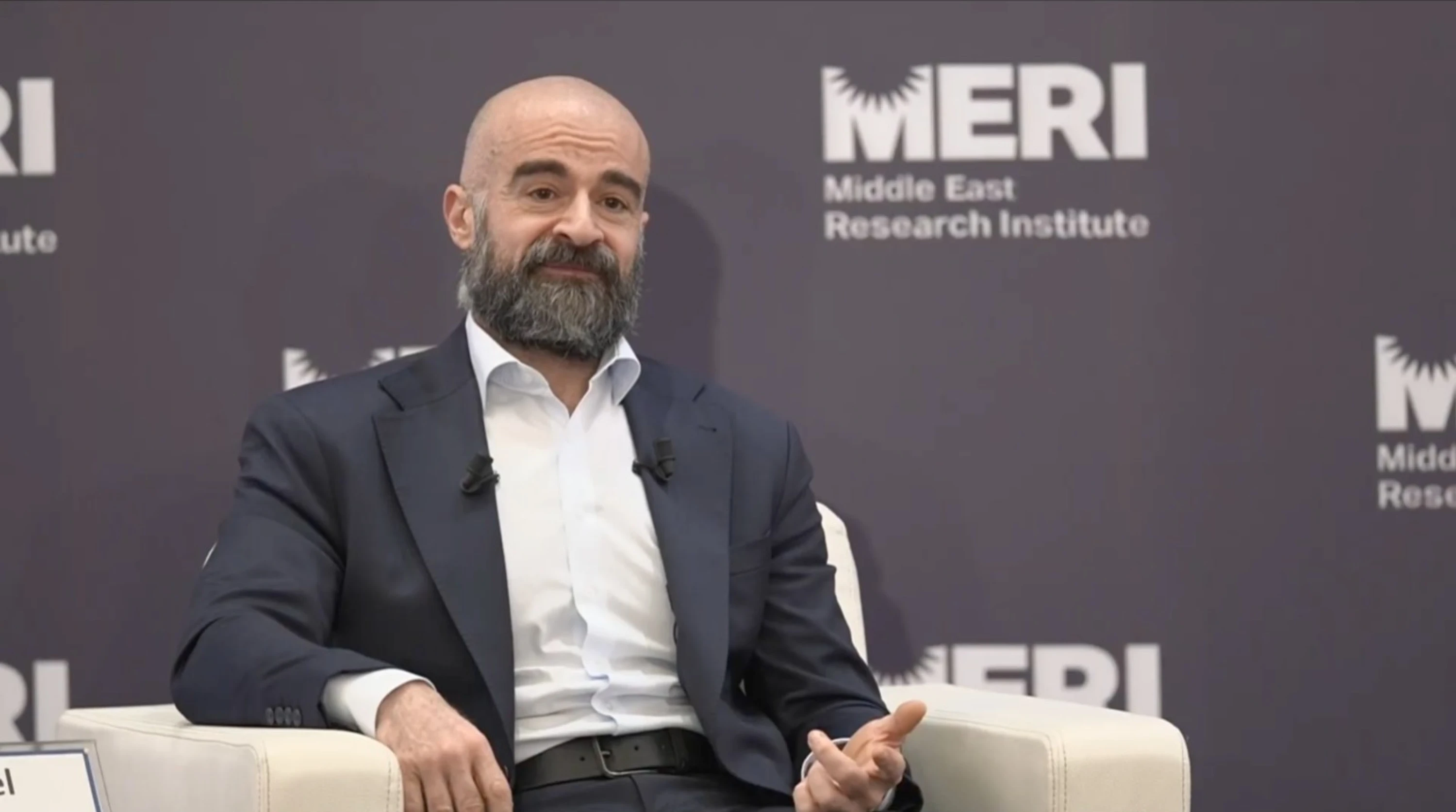
ERBIL, Kurdistan Region of Iraq – Patriotic Union of Kurdistan (PUK) leader Bafel Talabani on Monday said cooperation between his party and the rival Kurdistan Democratic Party (KDP) could allow them to “manage Iraq together” and influence regional developments, as talks over the Kurdistan Region’s next government continue.
“We are ready to [make] any type of agreement with you; it is an opportunity for us,” Talabani said, addressing the KDP, while speaking at the Middle East Research Institute (MERI) Forum in Erbil.
He pointed to the parties’ respective relationships with Baghdad and the broader regional dynamics, arguing that cooperation between the two could give them greater influence in Iraq and the region. “If we combine those two groups into one, we can manage Iraq together. We can change the Middle East,” he said.
Talabani stressed that the PUK did not want to govern without the KDP and called for formal talks to resume.
“Be assured that the Patriotic Union of Kurdistan does not want to govern without you, nor can it do so,” he said, adding, “Our problems are small; they are nothing much. Let’s restart the meetings formally with good intentions.”
The KDP and PUK emerged as the two largest parties in the October 2024 Kurdistan Region parliamentary elections, winning 39 and 23 seats, respectively. However, negotiations over forming the next cabinet have repeatedly stalled, with the two parties blaming each other for the impasse.
One of the main sticking points is the distribution of senior government posts and sovereign ministries, particularly the interior ministry, which the PUK has sought.
“We can form the government in 24 hours,” Talabani said, adding, “Time is not the problem. There are some problems; if they are resolved, we will go much further. There are some principles; if we agree on them, the project will go forward very quickly.”
The Kurdistan Region’s parliament has met only once in two years amid the prolonged deadlock over government formation.
Kurdistan Region Prime Minister Masrour Barzani told reporters on Tuesday that “it is necessary that it [the parliament] be reactivated as soon as possible,” calling on lawmakers “not to waste any more time.”
The PUK leader described a recent meeting between Masrour Barzani and his deputy, Qubad Talabani - who is a senior PUK member - as “very good” and said he meets frequently with Shaswar Abdulwahid, leader of the New Generation Movement (NGM), adding that “he understands very well.”
In mid-September, the NGM said it would not join the Kurdistan Region’s next government and would instead remain in opposition, despite its formal alliance with the PUK. The NGM holds 15 seats in parliament, while the PUK holds 23. The two parties had previously sought to challenge the KDP and negotiate as a unified bloc.
Qubad Talabani told reporters on Saturday that he hoped the Kurdistan Regional Government (KRG) cabinet could be formed this fall, adding that talks between the KDP and PUK were continuing.
The PUK leader also highlighted cooperation between the two parties when the US-Iran war began, saying they had coordinated to protect Kurds from being drawn into the conflict. “We were able to save Kurds from the disaster that some countries were trying to get us into. We were able to extinguish some fires together.”
Following the outbreak of US-Israeli strikes on Iran in late February, US media outlets reported discussions about a possible ground incursion into Iran by Iranian Kurdish opposition groups based in the Kurdistan Region. US President Donald Trump initially voiced support for the idea in early March before backing away from it days later.
The KRG distanced itself from any potential cross-border offensive, saying its territory would not be used as a launchpad for attacks on neighboring countries. Reports later emerged that Kurdish officials had contacted Washington to express their opposition to the reported plan.
Talabani said the PUK and KDP would be able to coordinate again if the conflict reignited, including to protect the Region’s population and economy.
“We will set a program together; ours is ready, I am sure the KDP’s is ready too. It will not be difficult to turn them into one to defend ourselves, to defend our people and our people’s economy,” he said
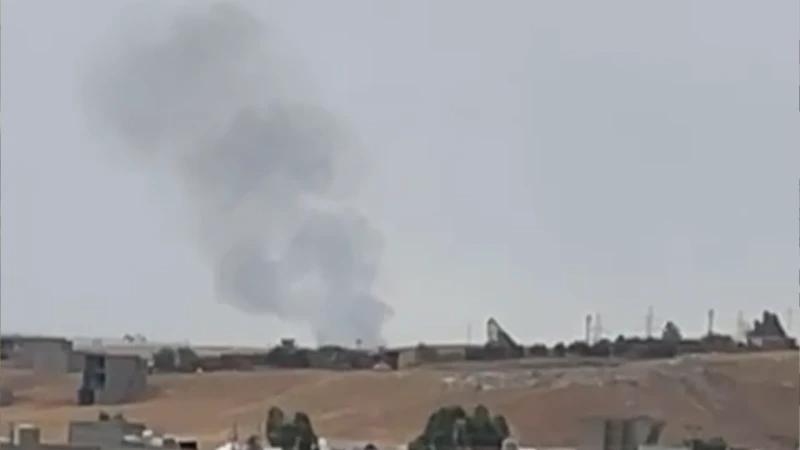
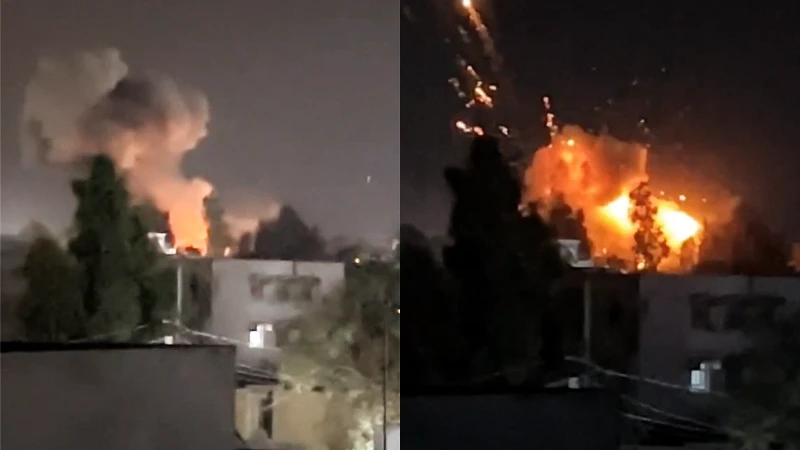
The Kurdistan Region has faced more than 1,000 missile and drone attacks since the US-Iran war began in late February, with strikes attributed to Iran and Iran-aligned Iraqi armed groups. Kurdish officials have been seeking to strengthen the Region’s air-defense capabilities to protect its airspace and critical infrastructure.
 Facebook
 LinkedIn
 Telegram
 X
X