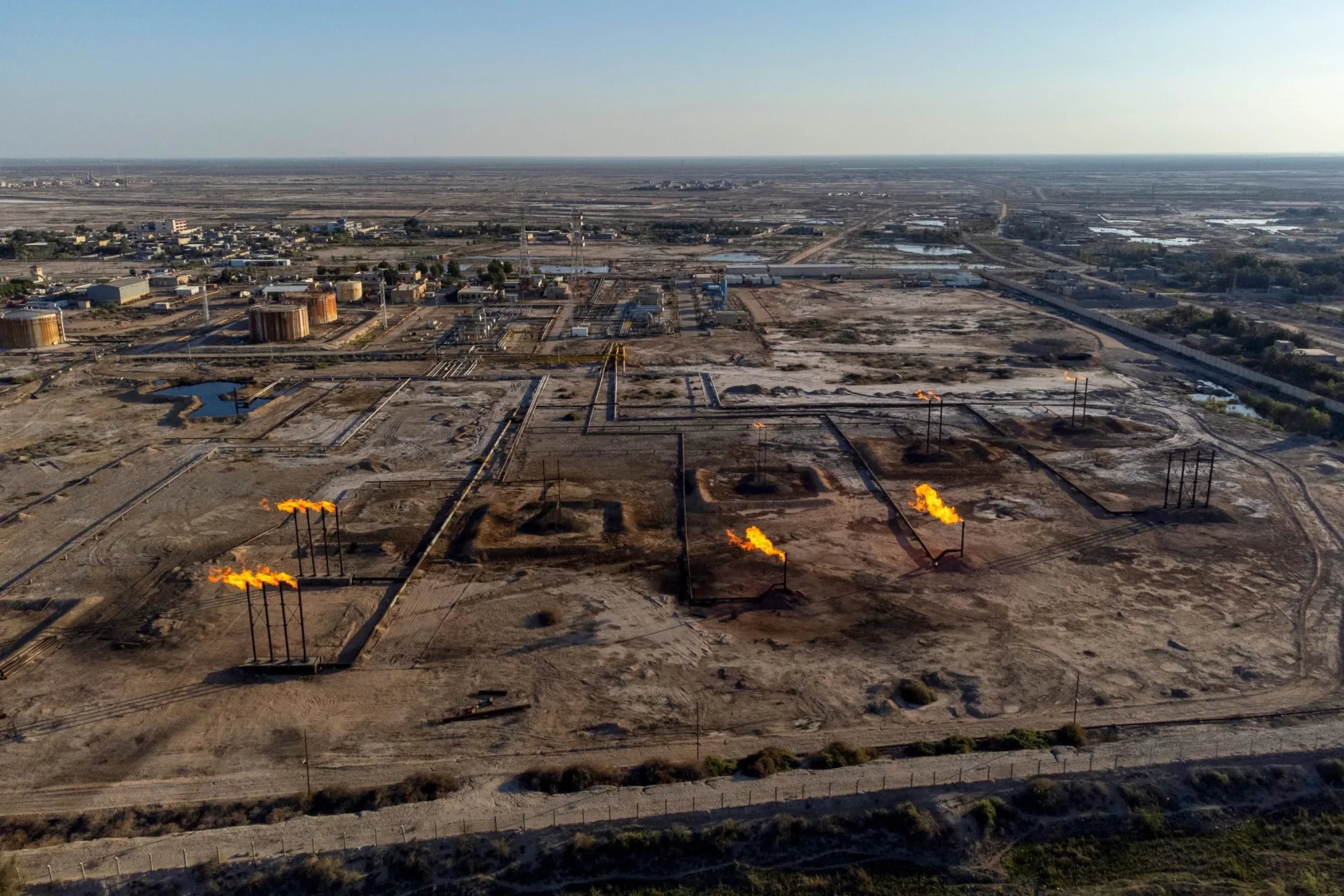
ERBIL, Kurdistan Region of Iraq - The Iraqi oil ministry on Monday claimed that "technical issues" have been behind the suspension of Iraq's oil exports to Jordan since December, 2025, with Jordanian refineries not being deemed suitable for the crude oil specifications currently offered by its neighbor.
"The suspension of Iraqi crude oil exports to Jordan is due to technical issues related to the specifications of crude oil and Jordanian refineries," oil ministry spokeperson Salim al-Rikabi told Iraqi state media. "Jordanian refineries were previously supplied with light Kirkuk crude, which is suitable for their operations. However, quantities of this type of crude are currently unavailable."
"Iraq offered to supply the Jordanian side with medium Basra crude as an alternative to light Kirkuk crude, but the Jordanian side indicated that its refineries could not process this type of crude oil."
The difference between 'light' and 'medium' crude oil lies in the density of the oil itself, with the former category requiring less processing during the refining process.
In December, Iraq's State Oil Marketing Organization (SOMO) announced that Jordan had purchased 2.5 million barrels of Kirkuk crude from Iraq during the first 11 months of 2025.
The lengthy suspension comes as Iraqi oil exports have suffered as a result of shipping disruption and the restriction of the Strait of Hormuz amid the US-Iran conflict that has persisted sporadically over the course of the year.
Iraq exported 18.6 million barrels of crude oil in March as the war began, generating about $1.95 billion in revenue, a steep plunge from February, when it exported 99.8 million barrels and earned $6 billion.
However, the export market has gradually begun to recoup as Iraq and regional neighbors adapt to the geopolitical situation. On Thursday, Rikabi announced that oil exports have rebounded to an average of 2.7 million barrels per day, generating monthly revenues of between $4.5 and $5 billion.
Baghdad has grappled with budgetary issues amid the spill-over effects of the regional conflict, with Iraqi Prime Minister Ali al-Zaidi defending an unpopular government move to devalue the Iraqi dinar on the basis that it avoided salary delays and other, less palatable measures to raise state funds.
In 2006, Jordan and Iraq signed an agreement for the supply of 10,000 barrels of oil per day to Jordan at discounted rates, initially $18 per barrel below the global price, increased to $22 per barrel in 2008. This supply was halted from 2015 to 2019 due to ISIS control in western Iraq.
In February 2019, the agreement resumed with oil from Iraq's Kirkuk fields, meeting 7 percent of Jordan’s needs. By late 2019, shipments continued with Jordan buying oil at Brent crude prices minus $16 per barrel for transport and specification adjustments.
 Facebook
 LinkedIn
 Telegram
 X
X