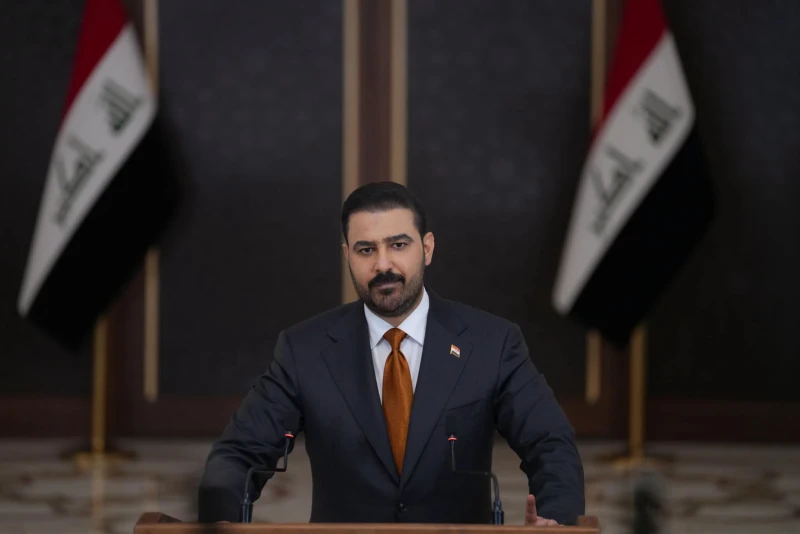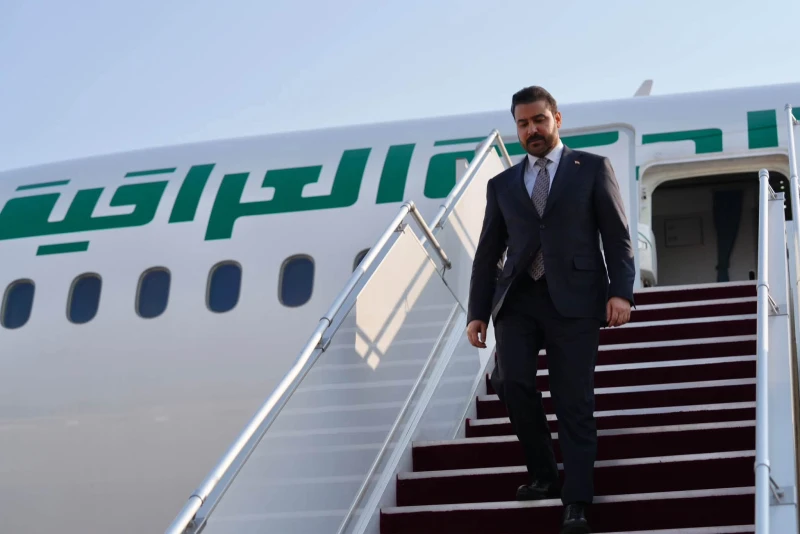
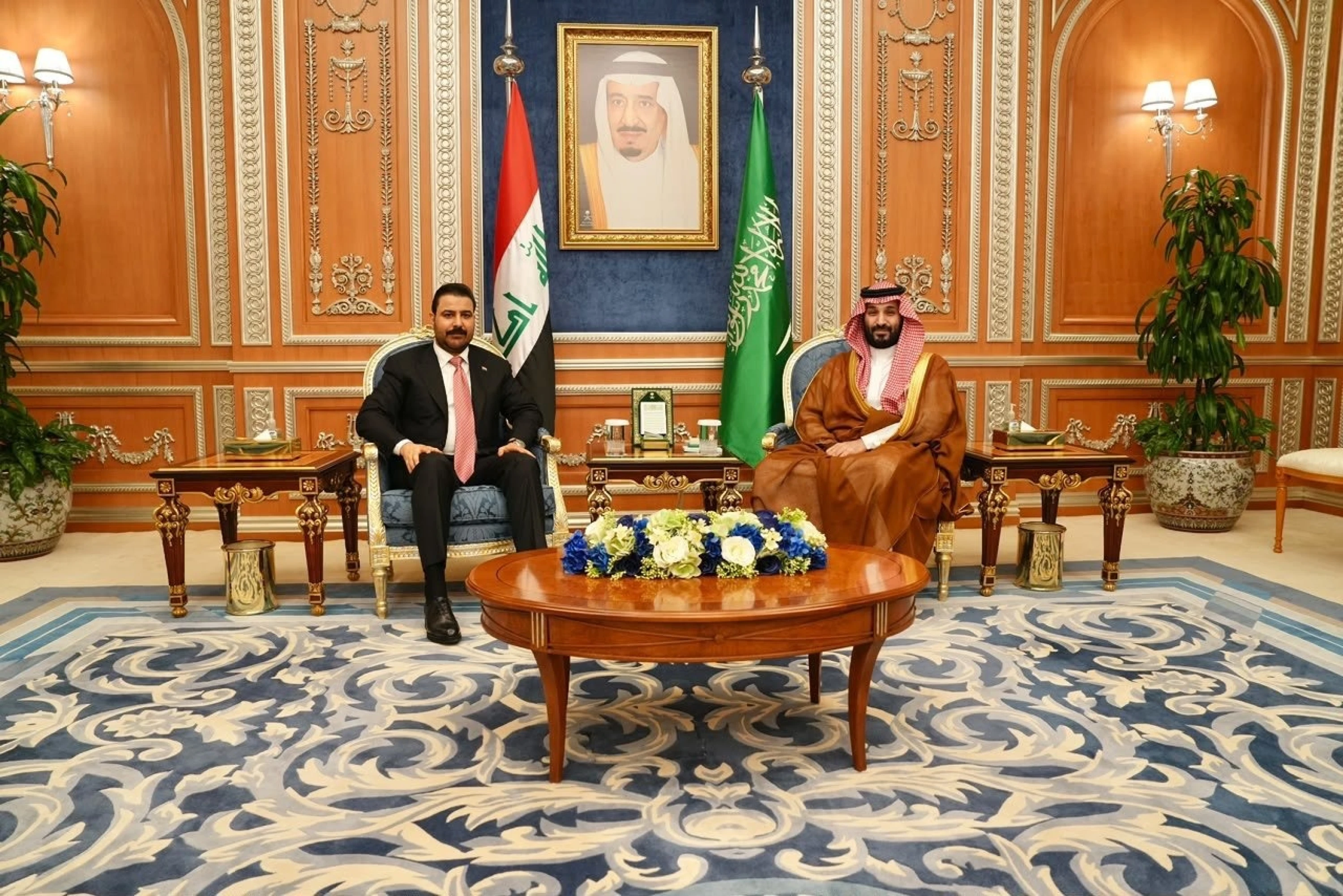
ERBIL, Kurdistan Region of Iraq - Iraqi Prime Minister Ali al-Zaidi on Wednesday met with Saudi Crown Prince Mohammed bin Salman in Riyadh, where he affirmed that Iraqi territory will not be used for attacks on other countries, after strikes targeting Saudi Arabia in July allegedly originated from Iraq.
Zaidi was set to visit Riyadh in late July, but the trip was cancelled after joint Saudi-US airstrikes on Iraqi territory drew condemnation from Baghdad. Saudi Arabia claimed that the bombardment came in response to drone strikes orchestrated by Iran-aligned Iraqi factions.
The premier expressed “Iraq's firm stance of not allowing its territory to be used as a launching pad for any attacks or actions that threaten the security of the Kingdom and the countries of the region,” according to a statement from his office.
The visit also coincides with escalating strikes by Yemen’s Iran-backed Houthi rebels deep into Saudi territory, with the capital's King Khalid International Airport having been repeatedly targeted by ballistic missiles, including an attack on Saturday that killed 12 and wounded hundreds.
Zaidi condemned the attack “and all harm inflicted on civilians and civilian infrastructure during conflicts,” the statement added.
The pair also reviewed relations between their governments and ways to strengthen them “particularly enhancing security coordination between the two countries.”
Maintaining good relations with Saudi Arabia remains a priority for the premier, especially given that the ongoing Houthi campaign has been explicitly supported by several Iraqi Shiite militant groups.
Zaidi met with several Saudi officials in the wake of the July strikes, reiterating Baghdad's “firm stance” on not allowing its territory to be used as a launching pad to strike any other country to the head of the Saudi General Intelligence Directorate Khalid bin Ali al-Humaidan in August.
Restriction of arms has also been a top priority on Zaidi’s government agenda. Multiple pro-Iran factions rejected the notion of handing arms to the state, leading Baghdad to seek other mechanisms to regulate the factions’ weapons in a manner that would be acceptable to the groups.
The government had initially set September 30 as the deadline for armed groups to hand over their weapons, coinciding with the coalition’s withdrawal, but later shifted to a phased process extending into July 2027 after several groups rejected the deadline.
 Facebook
 LinkedIn
 Telegram
 X
X