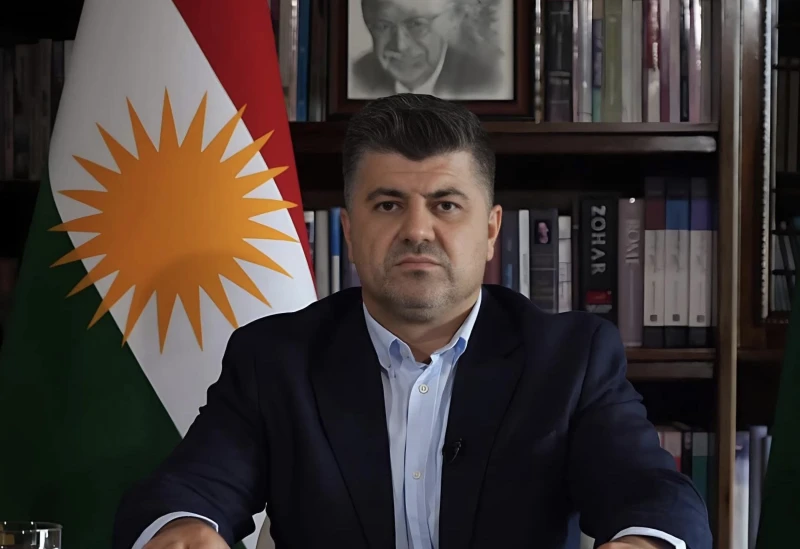
SULAIMANI, Kurdistan Region of Iraq - A court in Sulaimani on Thursday sentenced Kurdish opposition leader Lahur Sheikh Jangi to five years and three months in prison. His defense team described the verdict as politically motivated and said it would appeal.
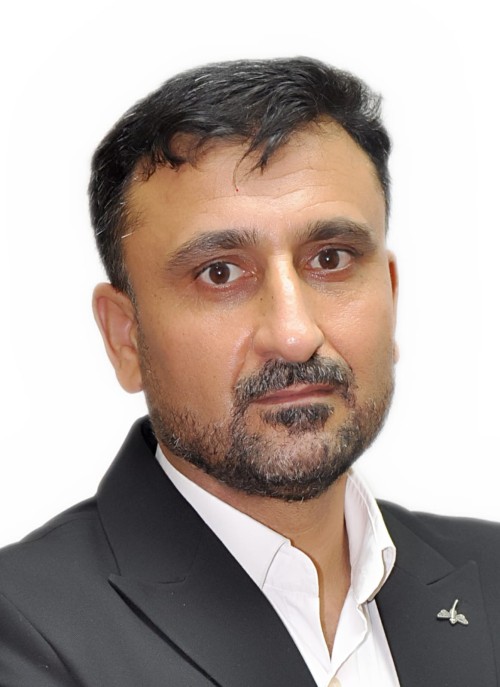
Jangi, a former co-leader of the Patriotic Union of Kurdistan (PUK), was sentenced alongside his brother, Polad Sheikh Jangi, who received a three-year-and-six-month prison term. Their associate, Rebwar Hameed Haji Ghali, was sentenced to two years, according to Dana Taqiadin, a lawyer representing the defendants.
“We reject the sentences by Sulaimani’s court against our clients because we deem them unfair, and there is no tangible evidence to convict our clients,” Taqiadin told reporters outside Sulaimani’s courthouse after the hearing.
“We certainly deem the sentences to be politically motivated because they [the judiciary in Sulaimani] refused to send our clients’ dossiers to the Kurdistan Region’s Appeal Court for almost a year and three months. Thus, we consider today’s sentences to be politically motivated,” he said in response to a question from The New Region.
Taqiadin said the defense team would appeal the verdicts by Sunday, following the weekend days in the Kurdistan Region. He also said Jangi had mocked the sentence and described it as politically prescribed by the court.
Assassination allegations
Taqiadin told The New Region that Jangi had rejected all allegations during the trial that he had planned to assassinate PUK leader Bafel Talabani and his brother, Qubad Talabani, the deputy prime minister of the Kurdistan Region.
According to the lawyer, Jangi told the court that an internal coup had been planned by PUK military commanders against the Talabani family and that he had ordered his men to intervene and prevent it.
“There was an internal coup among PUK military commanders against the Talabani family, and I ordered my men to move and prevent the coup. I even warned Qubad and another senior PUK official, but those who planned the coup offered a scenario to the PUK’s president in which they accused me of planning the coup,” Taqiadin quoted Jangi as saying. The lawyer said Jangi did not identify those whom he claimed had planned the coup.
Taqiadin noted his client had denied having any connection with Azhi Ameen, a prominent Kurdish security figure who currently operates within the Kurdistan Regional Government’s (KRG) security apparatus in Erbil. According to Taqiadin, Jangi told the court that Ameen had visited him and wanted to see his ailing mother before her death, but Jangi had asked him not to come to Sulaimani to avoid creating problems.
Ameen was previously the head of the PUK’s intelligence service (Zanyari) but was removed from the post seven months into his appointment after the conflict broke out between the party’s co-chairs at the time Jangi and Bafel Talabani, leading to the latter ousting the former as well as Ameen and replacing him and many other top party officials with ones loyal to himself.
Further proceedings
Taqiadin said the defendants are also due to face another trial on October 28 under Article 406 of Iraq’s Penal Code, which concerns intentional killing. He said the law requires the defendants to be transferred from the detention facilities of the PUK-linked internal security (Asayish) to a police-run detention centre or the Sulaimani Adult Reform Prison, supervised by the KRG’s Ministry of Labor and Social Affairs.
The lawyer added that the period the defendants had already spent in detention would count towards their prison sentences.
The defense team has repeatedly argued that the defendants’ confessions were obtained under torture. Taqiadin said most of the defendants told the court that they had confessed under duress while being interrogated by the PUK-linked Asayish.
Polad Sheikh Jangi, the lawyer said, told the court that he was under the effects of medication for injuries when he was interrogated, did not understand Kurdish writing, and rejected confessions prepared electronically in his name.
Banawsha Rafiq, another lawyer in the defense team, told The New Region that the court released only two suspects, Omar Sheikha and Kaiwan, who had been arrested two days before the raid on the Lalezar Hotel. She said Ramadhan Hussien was sentenced to one and a half years in prison, while Botan, Rebwar Qudrat, and Renwar were each sentenced to two and a half years.
Rafiq said the Kurdistan Human Rights Board had defended the suspects during the trial and argued that their confessions had been obtained under torture, but the judges rejected the request to release them. She also said that during the year and three months the defendants were detained, their lawyers were allowed to meet them only once, while Jangi was visited twice. She accused security agencies in Sulaimani of preventing lawyers from regularly visiting the detainees.
The Lalezar case stems from a bitter power struggle within the PUK. Lahur Sheikh Jangi, a former PUK co-leader and cousin of current leaders Bafel and Qubad Talabani, was ousted from the party leadership in 2021 and later founded the opposition People’s Front.
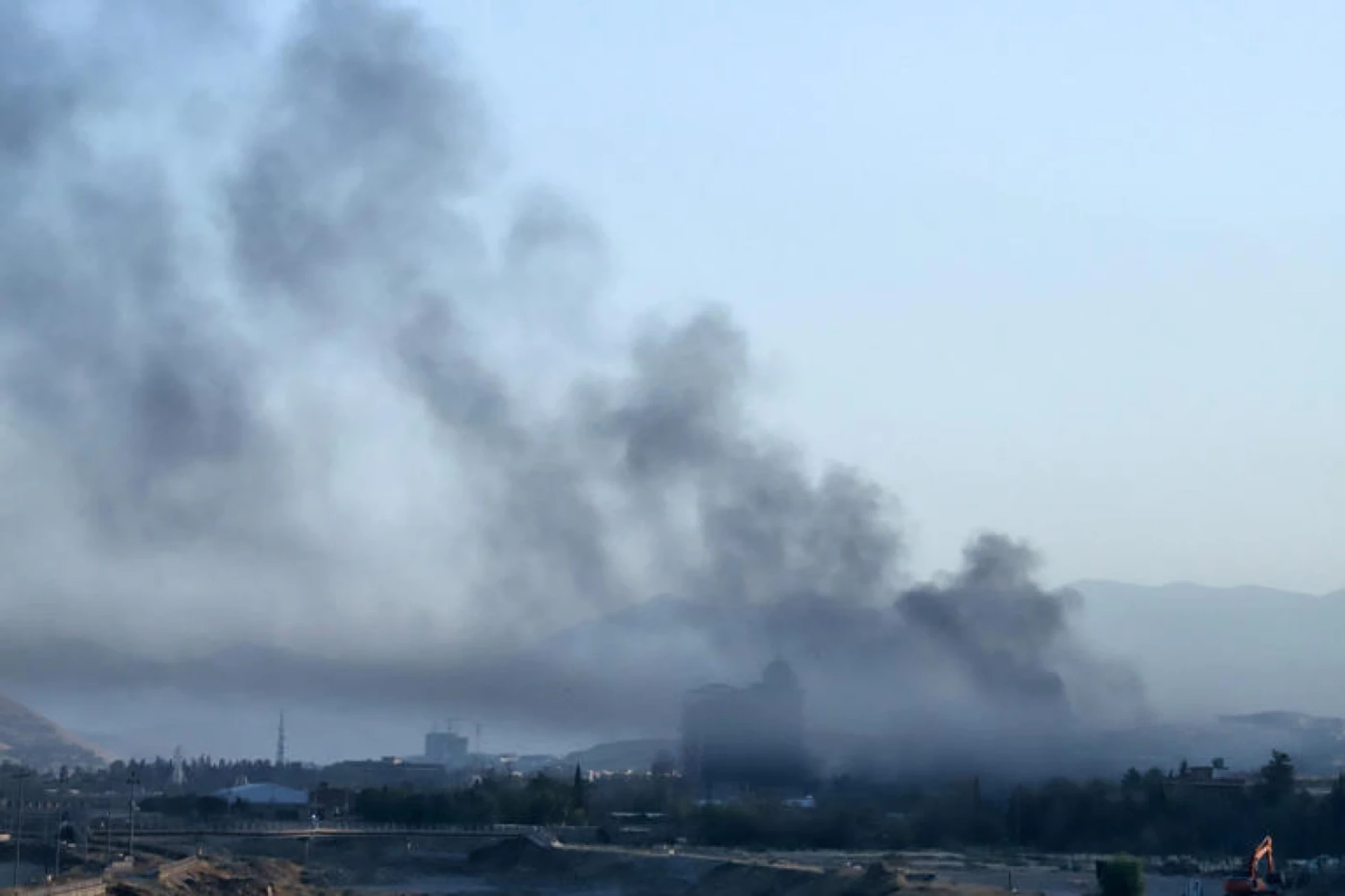
In August 2025, PUK-affiliated security forces raided Jangi’s residence at the Lalezar Hotel in Sulaimani using tanks and drones. The ensuing clashes left two of Jangi’s aides and three PUK security personnel dead, according to official figures.
Jangi, his brother Polad, and ten others — including bodyguards and even a gardener — were arrested and charged under Article 56 of Iraq’s Penal Code for criminal conspiracy. They have now been held for more than a year.
Defense lawyers have repeatedly sought to transfer the case to another court, citing concerns over judicial impartiality in Sulaimani. They submitted the request 12 times under Article 142 of the Iraqi Criminal Procedure Law, but all were rejected.
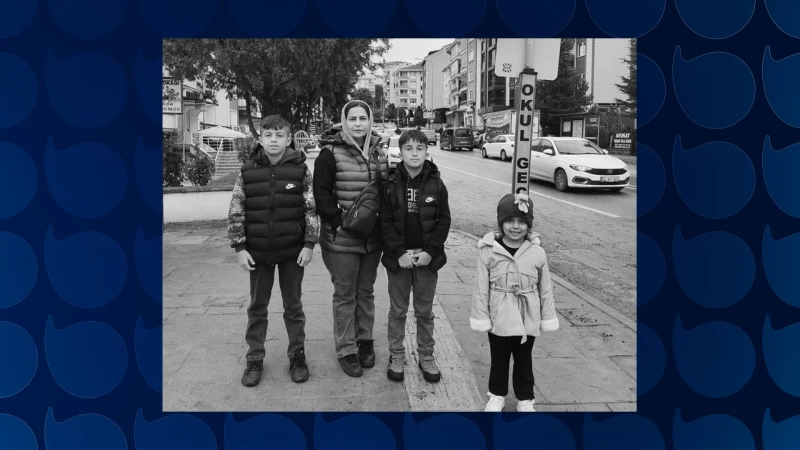
During the proceedings, several defendants have described severe abuse in detention, including genital torture and extensive physical abuse. At a September hearing, another defendant, Ramadhan, broke down when his cancer-stricken daughter was present in the courtroom. He asked for her to be escorted out before providing testimony, visibly shaken and reluctant to recount the torture he said he had endured in front of people he knew.
The Lalezar verdict marks a significant escalation in the long-running power struggle within the PUK. While the Sulaimani court has delivered its judgment under Article 56, the defense’s immediate rejection of the sentences as politically motivated, coupled with persistent claims of procedural irregularities, restricted access to lawyers, and confessions obtained under duress, ensures the case will continue through the appeals process. With a second trial under Article 406 still ahead, the legal and political fallout from the August 2025 clashes is far from over.
 Facebook
 LinkedIn
 Telegram
 X
X