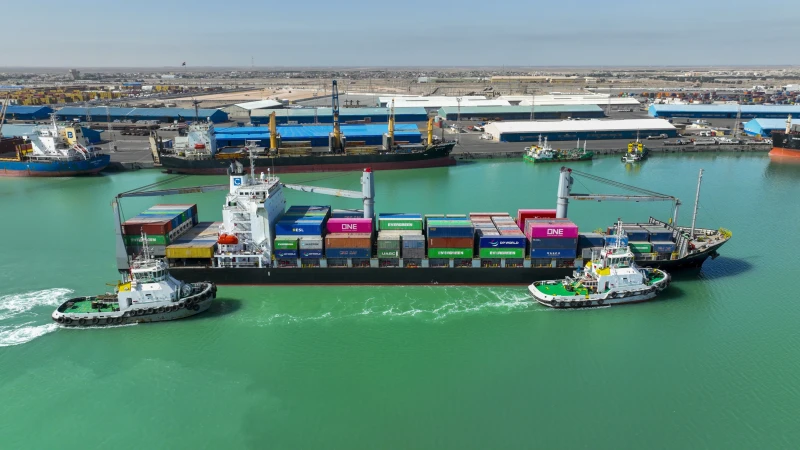

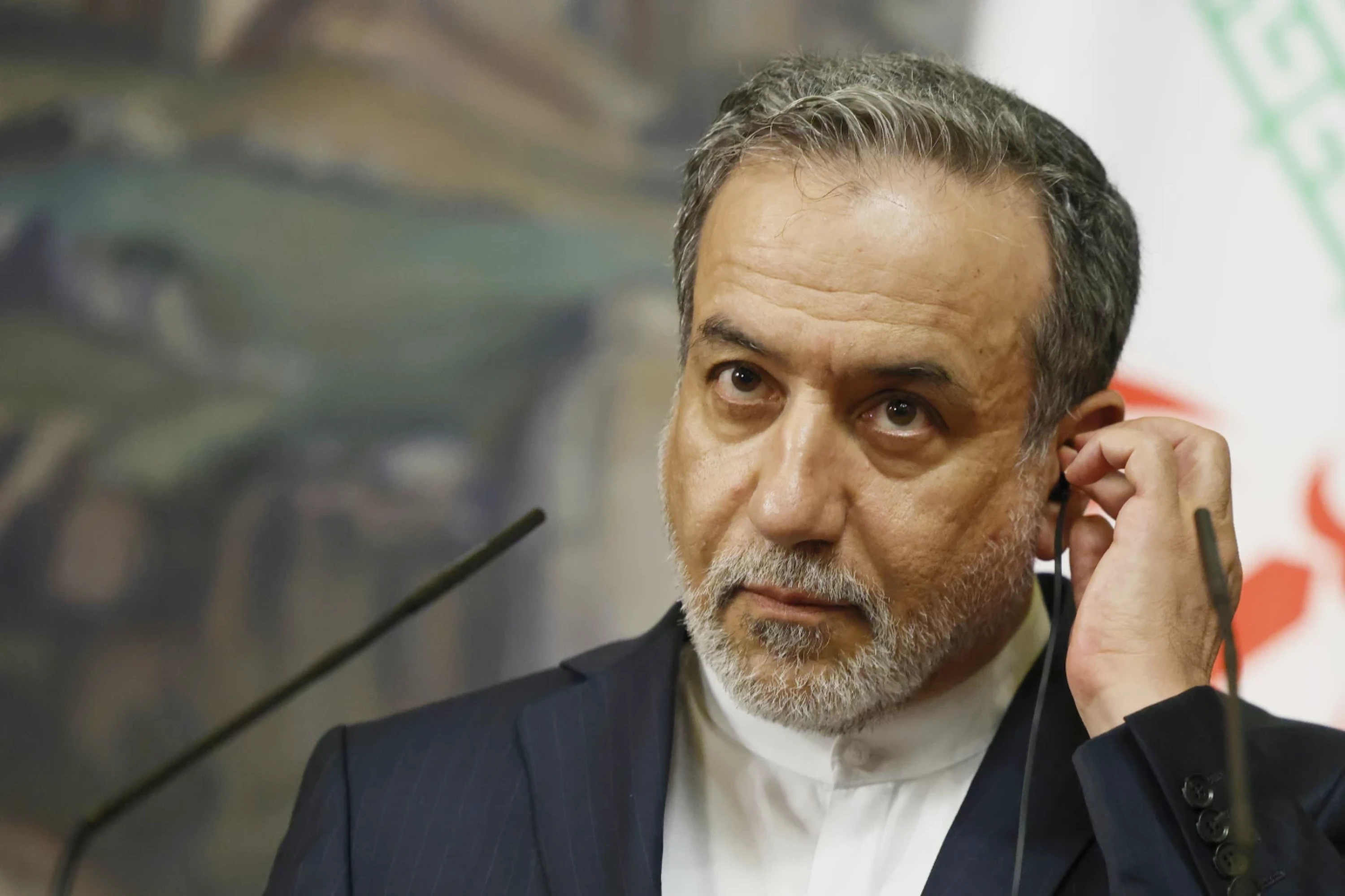
ERBIL, Kurdistan Region of Iraq – Iranian Foreign Minister Abbas Araghchi said Tuesday that Tehran has made “serious efforts” alleviate economic pressure on its neighbor by opening specific routes for Iraqi vessels in the Strait of Hormuz, adding that the waterway would be opened fully under the terms of a prospective agreement still being negotiated with the US.
During an interview with Iraqi state TV aired late Tuesday, the top diplomat was asked if he was aware of the economic ramifications on Baghdad of the Strait's closure by Iran, to which Araghchi responded that Tehran has made "serious efforts to reduce these costs for the Iraqi side" by "opening certain special routes for Iraqi ships."
“This war has been costly not only for the people of Iran but for all the nations of the region,” he noted. “I believe the Iraqi people understand this reality and recognize that the difficulties they have faced during this period stem from the attack by the United States and Israel.”
Iraq has been facing a worsening financial crisis since the start of the US-Israeli war with Iran, with the closure of the Strait of Hormuz massively cutting off Iraq’s main source of income: oil exports.
The current vulnerability of the global oil market has pressured the Iraqi government to seek long-term alternative sources of income, with the Iraqi prime minister’s financial advisor revealing plans to increase non-oil revenues to about 45 percent of total public revenues over the next 10 years, up from less than 10 percent currently.
“This Strait is not an ‘international strait’; rather, it lies within the territorial waters of Iran and Oman. The waters of this Strait are not international waters,” the Iranian diplomat stressed.
He added that Tehran and Muscat have recently “reached an agreement” on managing the transportation routes.
In mid-August, Iran announced it reached an agreement with Oman on "a shipping traffic map" in the Strait of Hormuz, adding that talks have progressed positively "despite US obstruction."
Peace with the US in reach?
Regarding a possible renewed conflict between Iran and the US, Araghchi said “any scenario is possible,” while noting that “our negotiations with the American side through intermediary countries, including Pakistan and Qatar, are continuing.”
Last week, Iran’s Islamic Revolutionary Guard Corps (IRGC) said that Tehran is ready to respond with “greater force” as the possibility of new US strikes remains “very real” before the end of the upcoming US midterm elections in November.
While emphasizing Iranian distrust of the US, Araghchi said, “All three previous rounds [of talks] ended in war against us.”
Hostilities in and around the vital Strait of Hormuz have persisted despite an April ceasefire between the US and Iran that was followed by a soon-broken memorandum of understanding in June. Washington has been blockading Iranian ports while Tehran claims control over the waterway.
 Facebook
 LinkedIn
 Telegram
 X