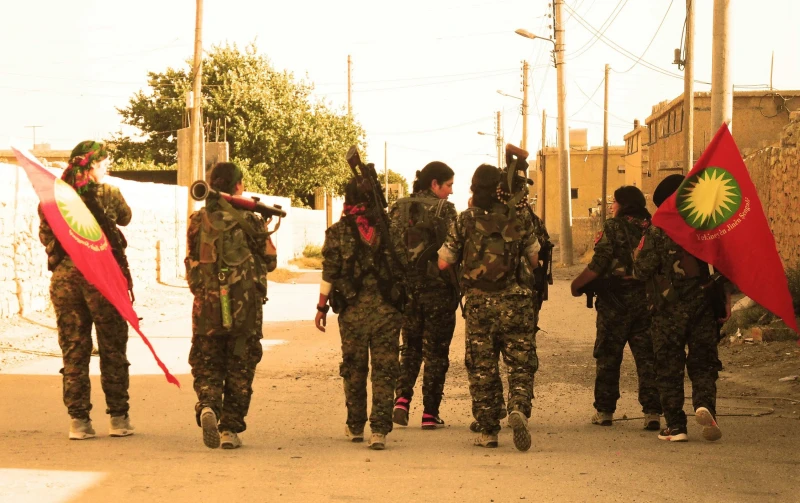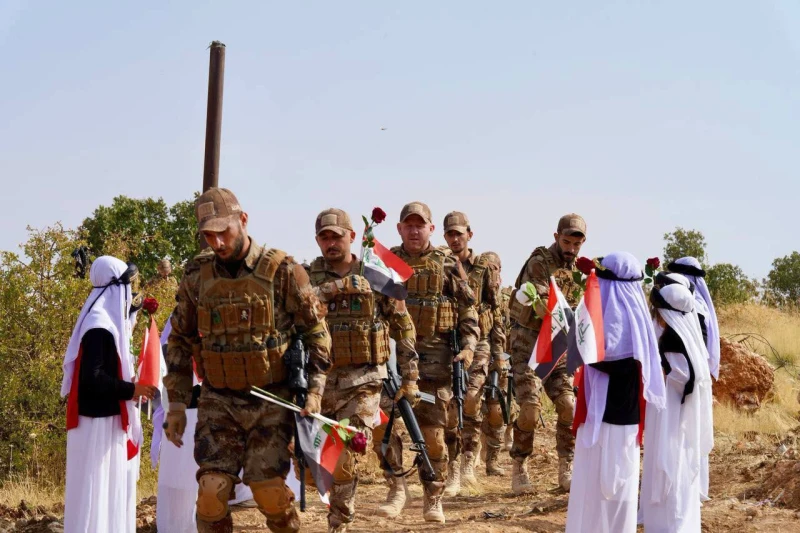

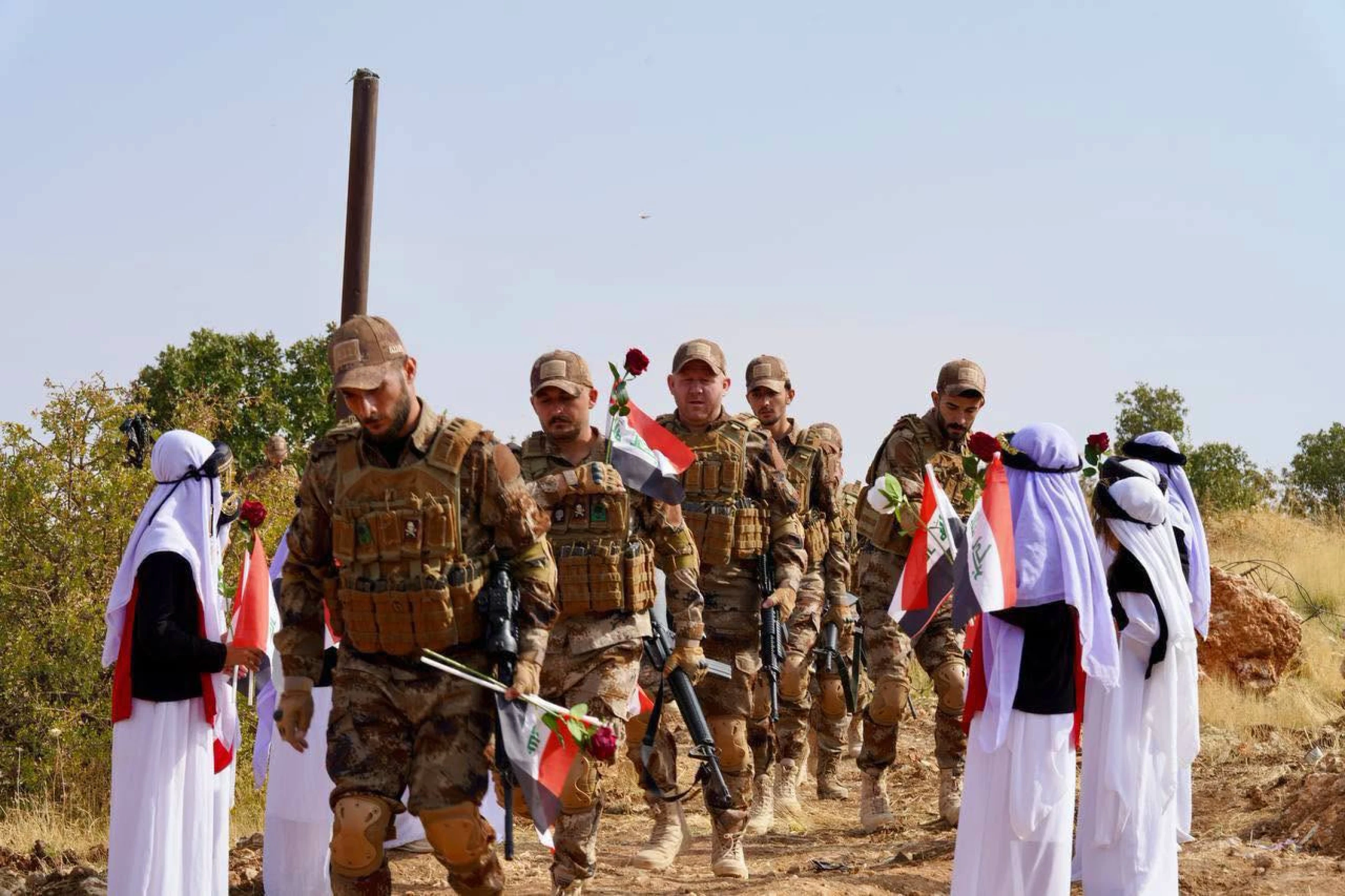
ERBIL, Kurdistan Region of Iraq – The Kurdistan Region’s interior ministry on Tuesday expressed concern over the integration of the all-Yazidi Sinjar Resistance Units (YBS) into Iraq’s security apparatus, criticizing the implementation of an "unwanted security and administrative reality" and noting that the decisions had been made "unilaterally".
The YBS, affiliated with the Kurdistan Workers' Party (PKK), on Monday announced that 4,165 of their fighters will integrate into the Iraqi security apparatus, supporting Baghdad’s broader efforts to consolidate weapons to the state ahead of an official ceremony to integrate the force.
The interior ministry said it “is watching with concern the understanding that the federal government is reaching on the situation in Sinjar unilaterally and without consulting the Kurdistan Regional Government. “
“We stress here that any step of this kind is contrary to the Sinjar Agreement signed in October 2020 under the auspices of the United Nations,” it added.
In October 2020, Erbil and Baghdad signed the Sinjar Agreement, aimed at normalizing the situation in the Yazidi heartland.
The agreement outlined that the federal government would oversee security operations in Sinjar in collaboration with the Kurdistan Regional Government (KRG), while Nineveh's local administration would manage public services.
It further mandated the removal of PKK elements and other armed factions from the district, transferring control to the federal army and police.
“Imposing an unwanted security and administrative reality outside the legitimate institutions complicates the situation in the area further and undermines the normalization process. The only correct solution is full implementation of the Sinjar Agreement,” the statement read.
The current integration agreement will see YBS fighters be absorbed into units in the Iraqi army, police, and Popular Mobilization Forces (PMF), the latter being comprised largely of pro-Iran Shiite militias, many of which have been accused by Baghdad of intervening on Tehran's behalf during the war with the US and Israel.
The integration comes amid Iraqi Prime Minister Ali al-Zaidi’s agenda of consolidating arms to the state, one of his government’s main objectives.
Zaidi’s government had also set September 30 as the deadline for armed groups to hand over their weapons, coinciding with the US-led anti-Islamic State (ISIS) coalition’s withdrawal, but later shifted to a phased process extending into 2027 after several Iran-aligned groups rejected the deadline.
The rejection from multiple pro-Iran factions led Baghdad to seek other mechanisms to regulate the factions’ weapons in a manner that would be acceptable to the groups.
 Facebook
 LinkedIn
 Telegram
 X