
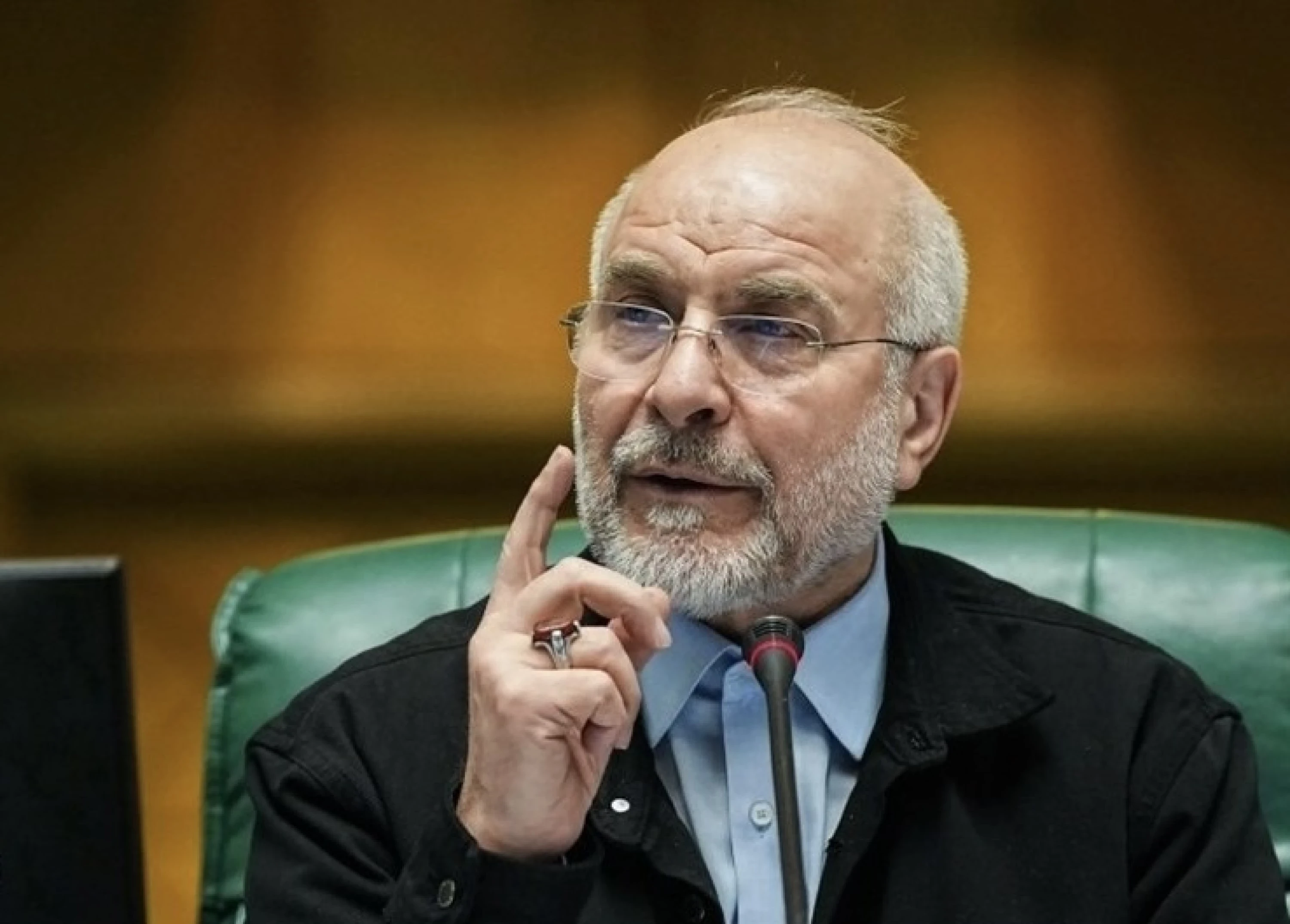
ERBIL, Kurdistan Region of Iraq - Iranian parliament speaker Mohammad Bagher Ghalibaf said Thursday that peace talks with the US will only progress once Iran’s seven conditions have been agreed on, asserting that the “carrot-and-stick approach has no effect on Iran.”
“Progress can only be achieved once Iran’s seven conditions have been agreed upon,” Ghalibaf wrote in a post on X.
In September, the minister announced a seven-day plan to reopen the Strait of Hormuz in a press briefing, noting that the conditions of the proposal were outlined in the June memorandum of understanding (MoU) between Tehran and Washington.
“Iran’s conditions have been repeatedly and clearly stated to the mediators. The carrot-and-stick approach has no effect on Iran,” he added.
While US President Donald Trump refused the initial proposal in early October, a senior official from Iran’s foreign ministry, Kazem Gharibabadi, said days prior that they were reviewing Washington’s counter-offer, with both sides having reviewed and made revisions to the initial framework.
Iranian Foreign Minister Abbas Araghchi on Wednesday said that Tehran remains in "close and ongoing contact with intermediaries to review ideas that can ensure implementation of our 7-Day Plan in even less than a week," adding that "Iran continues to give diplomacy a chance to succeed."
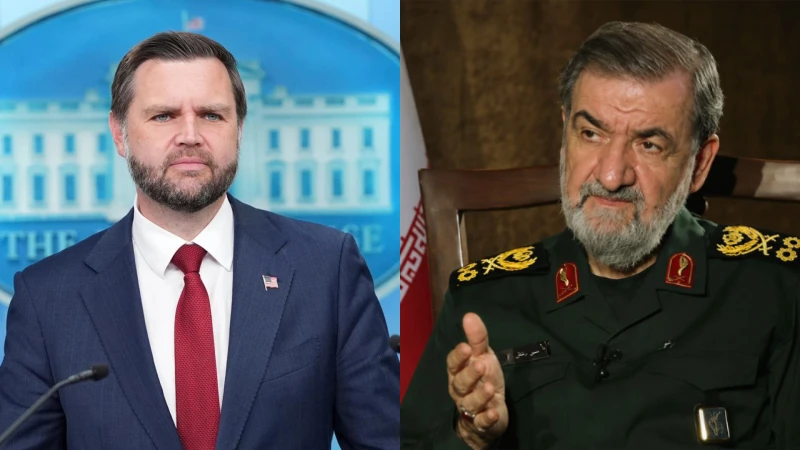
Separately, US media reported on Thursday that Vice President JD Vance sent a letter to Iran’s security chief Mohsen Rezaei warning that nuclear talks are “required” to avert potential US military strikes, though Iranian state TV, citing an informed source, later denied that the purported contents of the letter were accurately reported and noted that a response has yet to be sent.
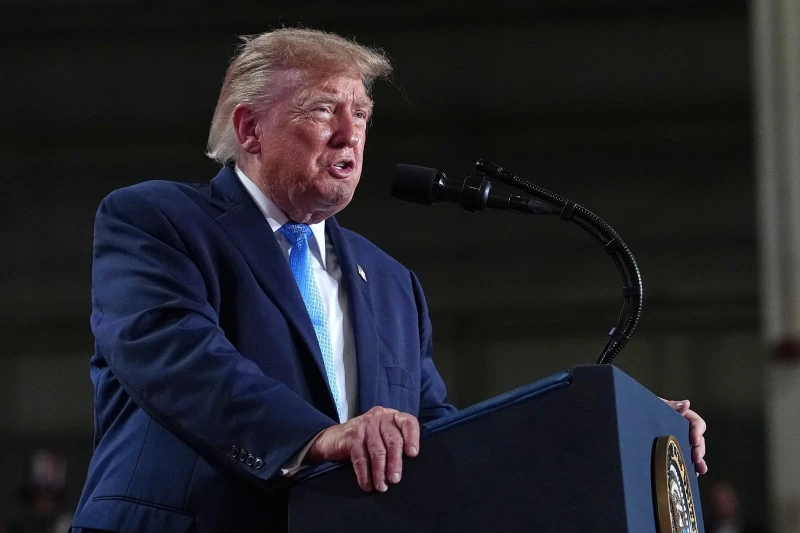
The current state of negotiations come amid the backdrop of US President Donald Trump publicly mulling the prospect of returning to conflict after the upcoming US midterm elections on November 3.
The president on Monday said that he considers the ceasefire "sort of a waste of time," coming mere days after he told a rally, “We may do another little Epic Fury,” referring to the joint US-Israeli military campaign launched against Iran in late February.
"The Strait of Hormuz will not be opened until our seven conditions—based on the Islamabad Memorandum—are met," Ghalibaf said in early October.
Iran’s main conditions in the MoU signed in June to end hostilities and resume talks included ending military operations on all fronts, including Lebanon, lifting sanctions, and post-war reconstruction. One of Washington’s main conditions was free navigation through the waterway.
The June agreement collapsed 21 days later as hostilities resumed and both sides targeted each other’s interests in the region.
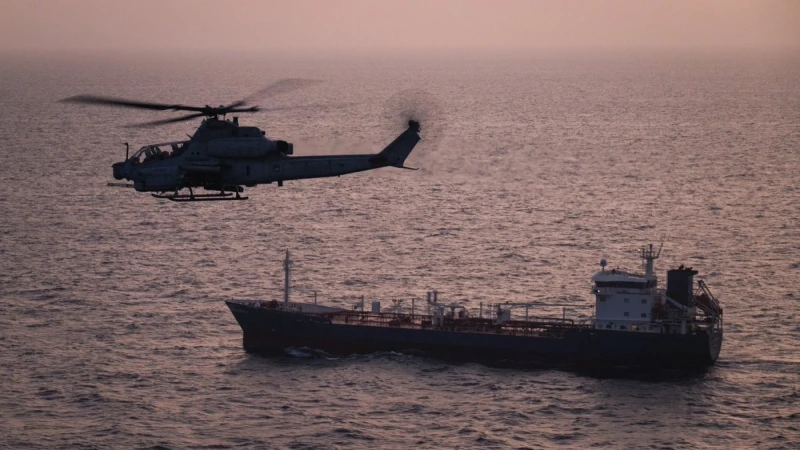
Iran has closed the vital Strait of Hormuz following the outbreak of the regional war in February. Around one-fifth of the world’s oil shipments pass through the waterway. In turn, the US has imposed a naval blockade on Iranian ports.
 Facebook
 LinkedIn
 Telegram
 X