
ERBIL, Kurdistan Region of Iraq – Israel’s election results have left Prime Minister Benjamin Netanyahu short of a parliamentary majority, while opposition leader Gadi Eisenkot also faces a difficult path to forming a government.
Netanyahu’s bloc secured 53 of the 120 seats in the Knesset, eight short of the 61 needed for a majority. His Likud party won 27 seats, while his far-right and ultra-Orthodox allies secured the remaining 26.
The opposition bloc led by Eisenkot won 48 seats. It comprises his centrist Yashar party, which secured 21 seats; Naftali Bennett and Yair Lapid’s joint B’Yachad party with 12; the left-wing Democrats led by Yair Golan, with eight; and Avigdor Lieberman’s right-wing Yisrael Beiteinu, which won seven.
The two Arab-led parties, the Joint List and Ra’am, secured 11 and eight seats, respectively, bringing their combined representation to a record 19.
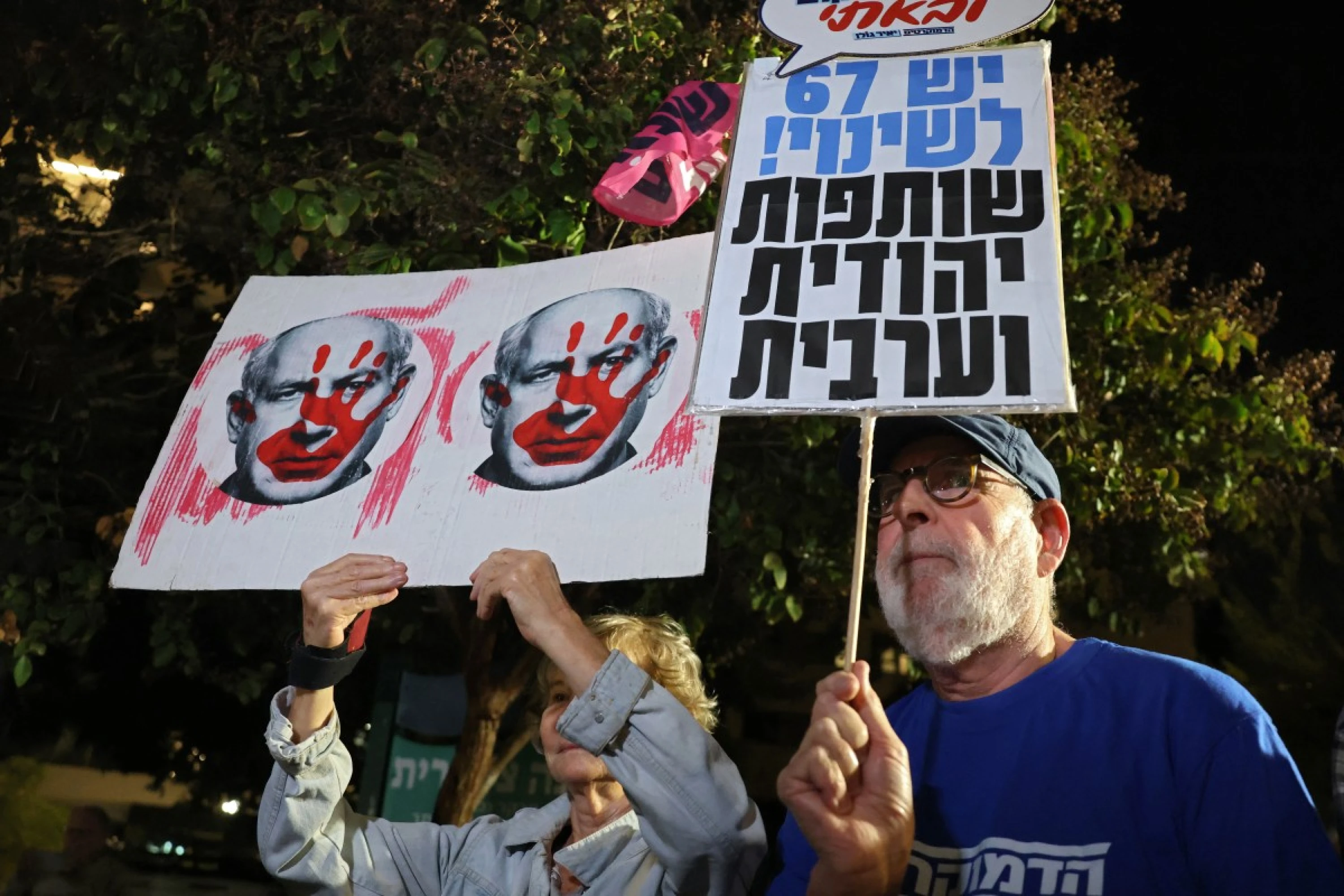
The results leave both major blocs short of a majority and set the stage for potentially weeks of negotiations. Together, the opposition and Arab-led parties have 67 seats, enough to form a majority. However, three of the four parties in Eisenkot’s bloc – Yashar, B’Yachad and Yisrael Beiteinu – pledged not to form a government with Arab parties, making such an arrangement politically difficult.
Joint List leader Yousef Jabareen has indicated that his party is willing to support an opposition-led government from outside the coalition but would not join it, citing concerns including the ongoing war in Gaza and Israeli settlement expansion in the West Bank.
Meanwhile, Ra’am leader Mansour Abbas has signalled openness to joining an Eisenkot-led government. His party previously supported the coalition formed by Bennett and Lapid in 2021, the first time an Arab party participated in an Israeli governing coalition.
On Friday, Netanyahu reiterated his opposition to forming a government with Arab parties, sharing a video on X with the caption: "It is forbidden to form a government with them."
Following the vote, Netanyahu and his Likud party amplified allegations that Arab-led parties had stolen the election or benefited from foreign interference. Israel’s election committee said allegations of systematic violations of electoral integrity were baseless and that the investigation into alleged foreign interference would not affect the results submitted to the president.
The opposition parties had campaigned on promises to remove Netanyahu from office. Eisenkot, a former chief of staff of the Israeli military, and his allies have also ruled out joining a national unity government with the prime minister.
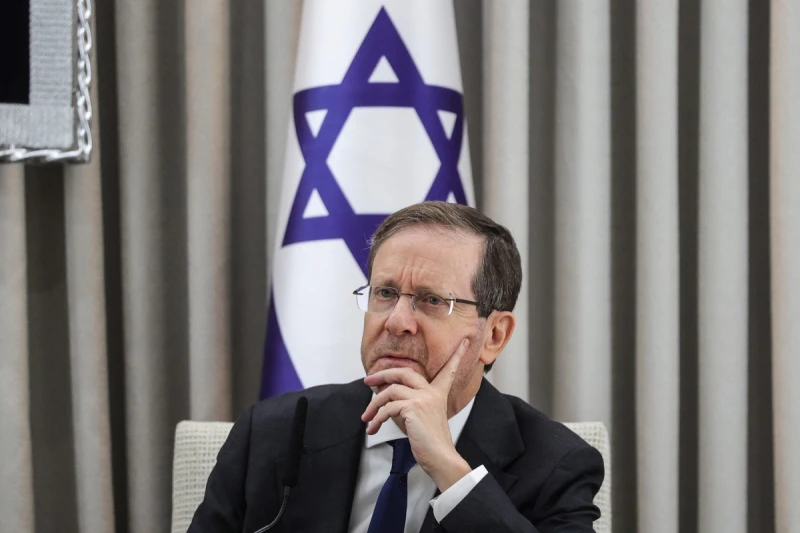
The completed vote count was announced on Thursday, but the Central Elections Committee is expected to publish the certified results by November 4. President Isaac Herzog will then consult representatives of the parties elected to the Knesset before assigning a lawmaker he believes has the strongest chance of assembling a governing coalition.
The first candidate given the mandate will have 28 days to form a government, with a possible extension of up to 14 days. If that attempt fails, Herzog may assign the task to another lawmaker. A final 21-day parliamentary mechanism could also provide another opportunity before the Knesset is automatically dissolved and another election is called. Herzog has said he will do everything in his power to avoid another vote.
Netanyahu remains prime minister in a caretaker capacity until a new government is formed.
 Facebook
 LinkedIn
 Telegram
 X