
ERBIL, Kurdistan Region of Iraq – The Iraqi government on Friday denied reports that Baghdad plans to borrow 16 trillion dinars (around $10.56 billion) from foreign countries to cover the projected 2027 budget deficit, state media reported.
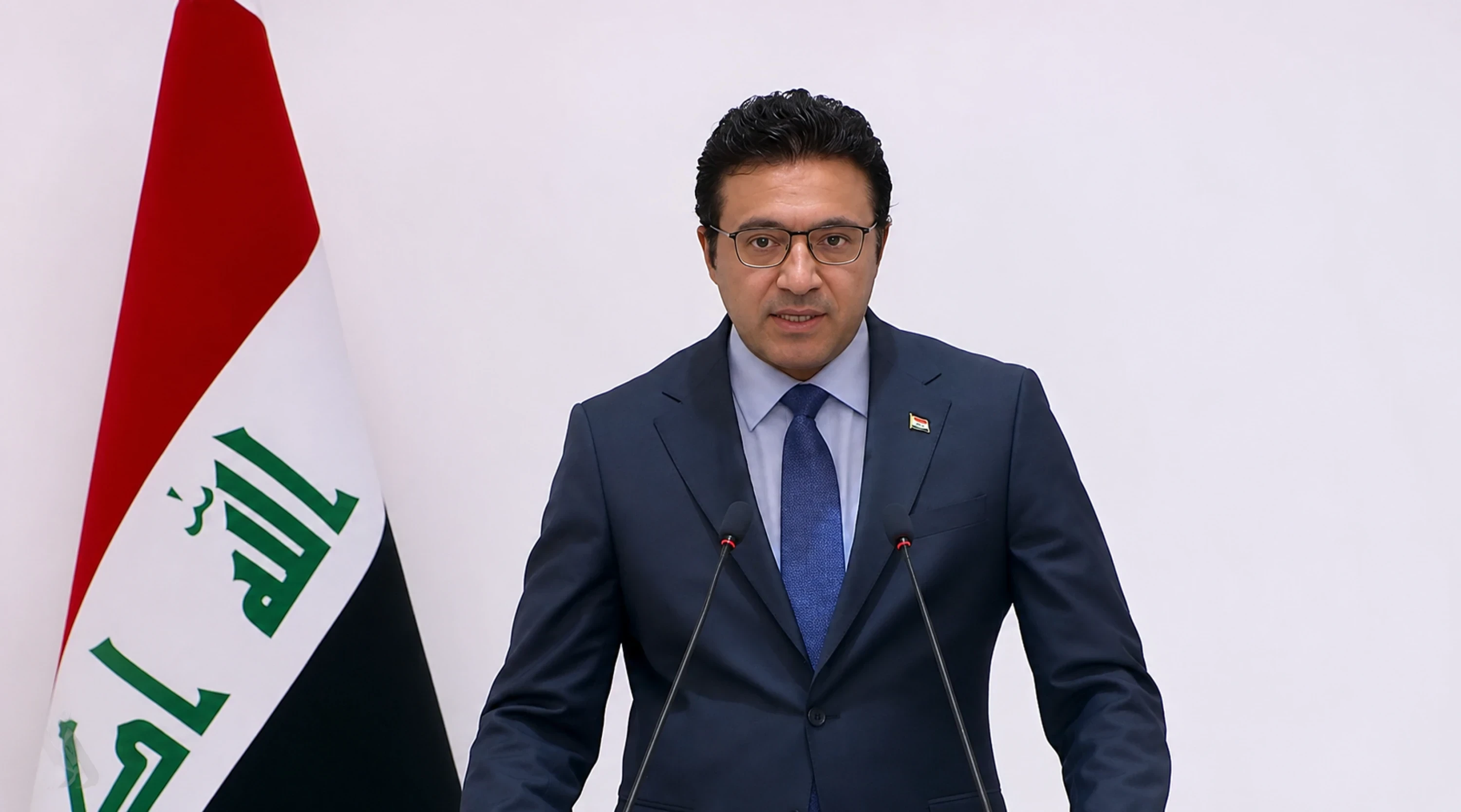
"The reports circulating about Iraq’s intention to borrow 16 trillion dinars from several countries to cover the budget deficit are incorrect; there is no need for such borrowing, given the current indicators for oil exports,” government spokesperson Haider al-Aboudi told state media.
Iraqi economist Nabil al-Marsoumi has recently told local media that Baghdad is planning to borrow 16 trillion dinars from several countries, including Saudi Arabia, Kuwait, China, Germany and France, to meet its budget requirements.
Following the government’s denial, Marsoumi reiterated his claim on social media, writing that “the recourse to internal and external borrowing to cover the 2027 budget deficit is detailed in the draft budget, amounting to 38 trillion dinars, of which 16 trillion is external borrowing and 22 trillion is internal borrowing.”
Marsoumi has estimated Iraq’s budget deficit at 43 trillion dinars (around $28.38 billion). He has also claimed that the government has borrowed 20 trillion dinars (around $13.21 billion) since the closure of the Strait of Hormuz, through which Iraq ships the majority of its oil.
“An increase in the volume of oil exports has contributed to boosting revenues,” the government spokesperson said, stressing that Baghdad is pursuing an economic policy centered on “the precise allocation of Iraq’s revenues to support public spending and meet the state’s financial requirements.”
He also stressed the government’s efforts to maximize ”available financial resources” to ensure that “public spending is supported and financial needs are met."
The Iraqi Council of Ministers had reportedly returned the draft budget to the finance ministry for revisions in mid-October, delaying its submission to parliament.
The 2027 draft budget law is expected to be submitted to parliament in mid-November, Uday Awad, head of the parliamentary finance committee, told state media on Monday.
 Facebook
 LinkedIn
 Telegram
 X