
ERBIL, Kurdistan Region of Iraq – Armed conflicts in Iraq have fallen by 85 percent over the second quarter of 2026, the interior ministry said Sunday, crediting government efforts to tighten gun control amid an ongoing weapons restriction program.
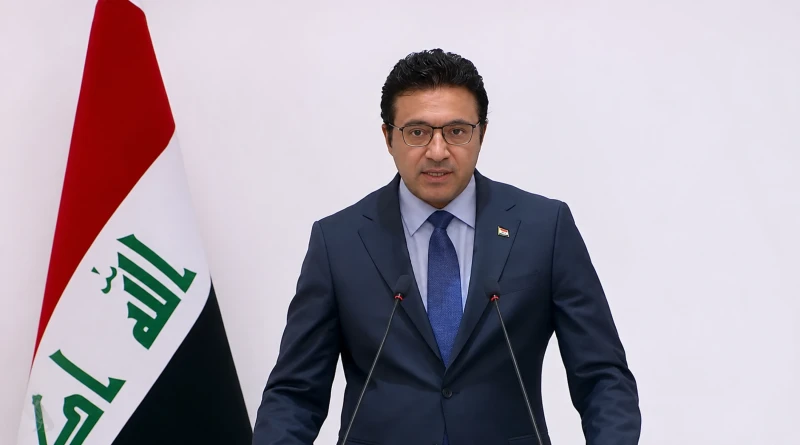
“Iraq witnessed many shooting incidents and armed conflicts before the implementation of the weapons registration program,” head of the interior ministry’s weapons control directorate, Mansour Ali Sultan, told state media.
During the second quarter of 2026, the ministry recorded “a decrease of nearly 85 percent in armed conflicts,” he added.
Illegal weapons in Iraq stand out as one of the most pressing challenges to security and stability, with Prime Minister Ali al-Zaidi having made clamping down on weapons proliferation a cornerstone of his governmental agenda.
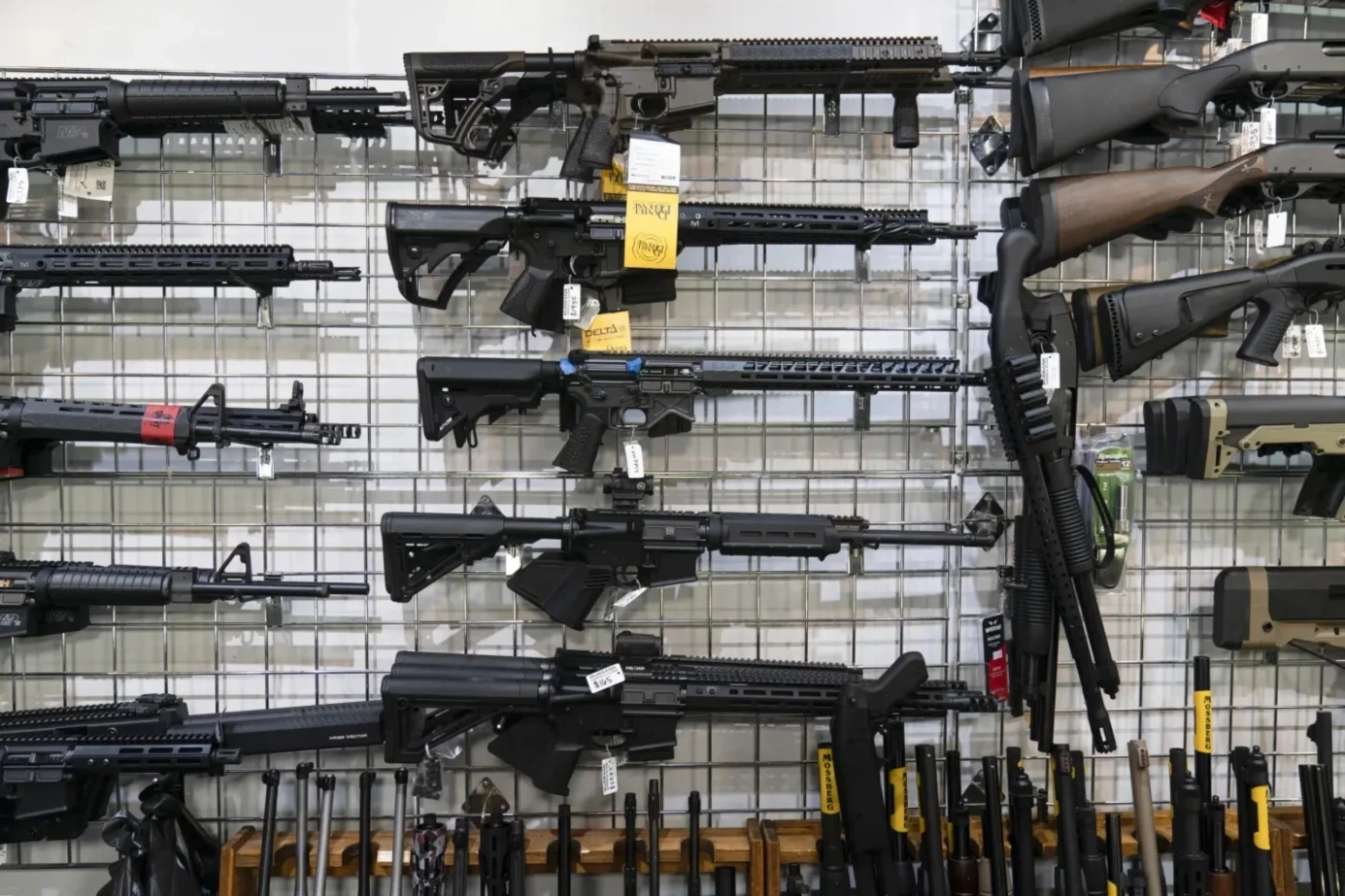
Unofficial data puts the number of arms within Iraqi society at around 15 million medium and light weapons, with armed groups, including pro-Iran militias, and tribes possessing the bulk of them.
Sultan said that the government’s inventory has around 6.7 million weapons registered, including those confiscated on crime scenes.
“This data allows the competent authorities to conduct tracking and cross-referencing operations between the available information, with the aim of determining whether the weapons were used in committing crimes, were stolen, or are related to security incidents,” Sultan added.
Baghdad has also led a renewed drive to disarm militias and restrict weapons to state control under Zaidi’s cabinet.
Zaidi’s government had initially set September 30 as the deadline for armed groups to hand over their weapons. The day coincided with the US-led anti-Islamic State (ISIS) coalition’s withdrawal, but later shifted to a phased process extending into 2027 after several groups rejected the deadline.
Multiple pro-Iran factions rejected the notion of handing arms to the state, leading Baghdad to seek other mechanisms to regulate the factions’ weapons in a manner that would be acceptable to the groups.
 Facebook
 LinkedIn
 Telegram
 X