
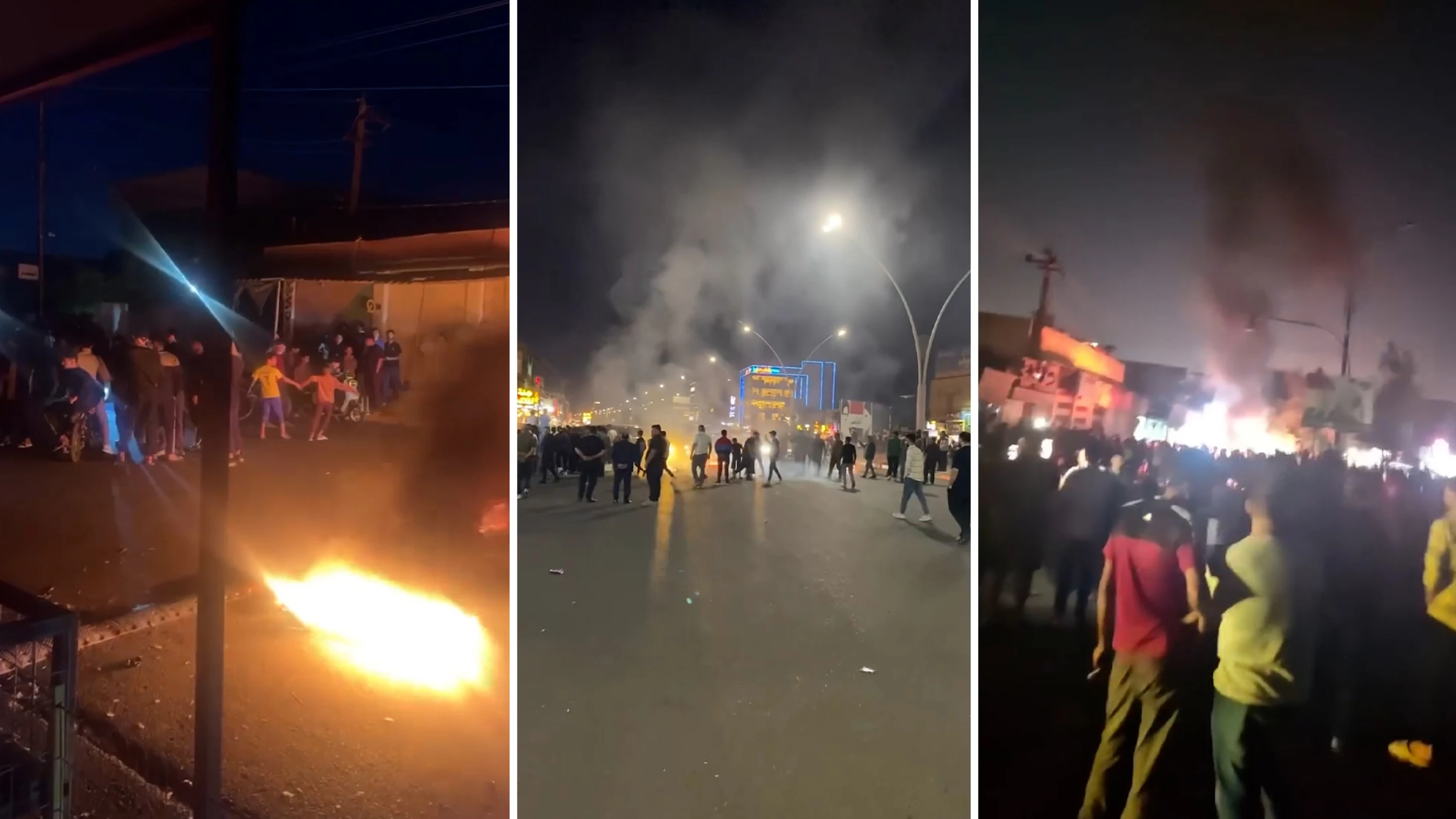
ERBIL, Kurdistan Region of Iraq - Demonstrations continued for the second consecutive night across Kirkuk province as private generator operators fully cut power supplies, leaving the city in complete darkness in protest of the authorities’ directive to reduce the price of electricity.
Protests broke out in disputed Kirkuk late Sunday over increased electricity prices, two days after the price per ampere from private generators was raised.
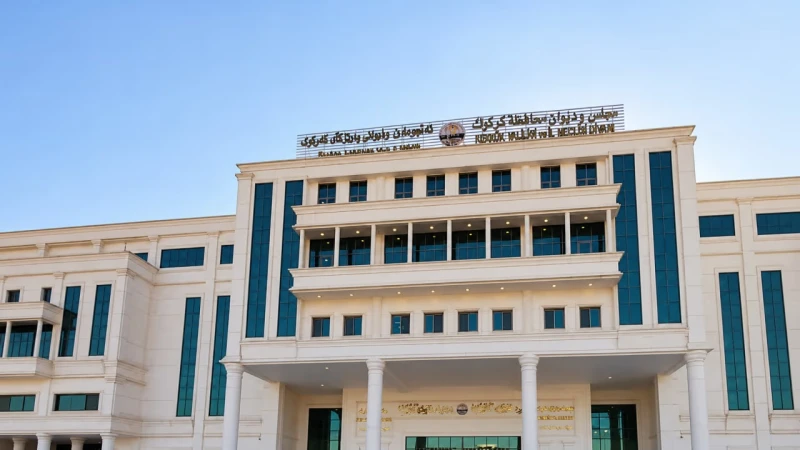
The demonstrations led to a meeting of the Kirkuk Provincial Council on Monday, during which it was decided to reduce the price per ampere of private generator electricity from 18,000 Iraqi dinars to 13,000 dinars.
The council’s decision sparked an immediate reaction from the private generator operators, cutting power supplies entirely and leaving the city’s residents without electricity for most of Monday.
The only source of power for the residents of Kirkuk since the afternoon has been the government-supplied electricity, which does not have a consistent working schedule and its operation hours differ from one part of the city to another.
On Monday evening, Kirkuk Deputy Governor Rebwar Taha directed all private generator operators to resume the provision of electricity, adding that he has obtained the approval of the Iraqi electricity ministry to increase Kirkuk’s quota of government-supplied power from 650 megawatts to 800 megawatts until the issue is resolved.
The Kirkuk and Garmian-Khanaqin organizational bureau of the Kurdistan Democratic Party (KDP) in a statement on Monday evening voiced its “full support” for the demands of Kirkuk’s resident, while also stressing the need to ensure the rights of the private generator operators, calling on authorities in the city to “make a balanced and fair decision in which both the price of amperes for citizens are reduced and the owners of generators are supported through the supply of fuel to the in order to continue their services.”
Rauf Saadoullah Muheadin, head of the supervisory unit of Kirkuk’s Kurdish education directorate, told The New Region that all Kurdish schools in the city have been directed to not conduct any test or examinations during Tuesday’s classes, citing the lack of electricity restricting the students’ ability to prepare for them.
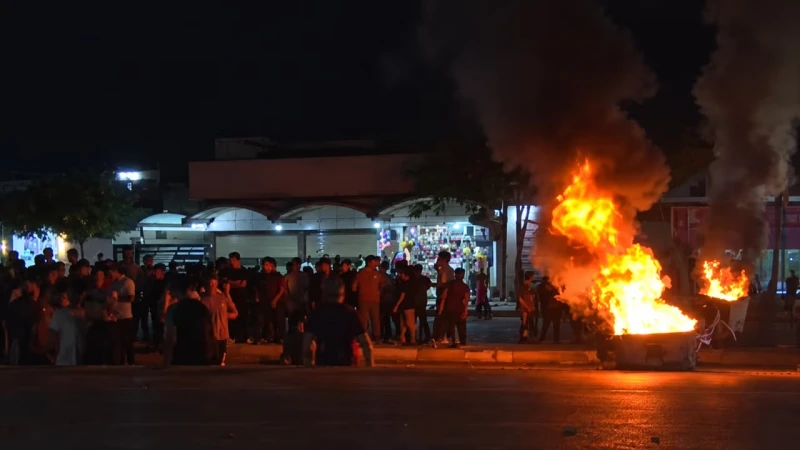
Disgruntled residents continued their protests well into Monday evening, burning tires and blocking many of the city’s main streets.
The initial price increase came after electricity supplied through Kirkuk’s national grid decreased last month. Private generator owners received enough diesel to operate for 190 hours, while they provided 300 hours of electricity, according to information obtained by The New Region.
Iraq and the Kurdistan Region have long suffered from electricity shortages.
The Kurdistan Regional Government (KRG) has made strides to address the issue with the landmark Runaki Project, which currently provides round-the-clock electricity to the Kurdistan Region.
Erbil has repeatedly expressed its willingness to share its experience with Baghdad in addressing its long-standing electricity crisis.
 Facebook
 LinkedIn
 Telegram
 X