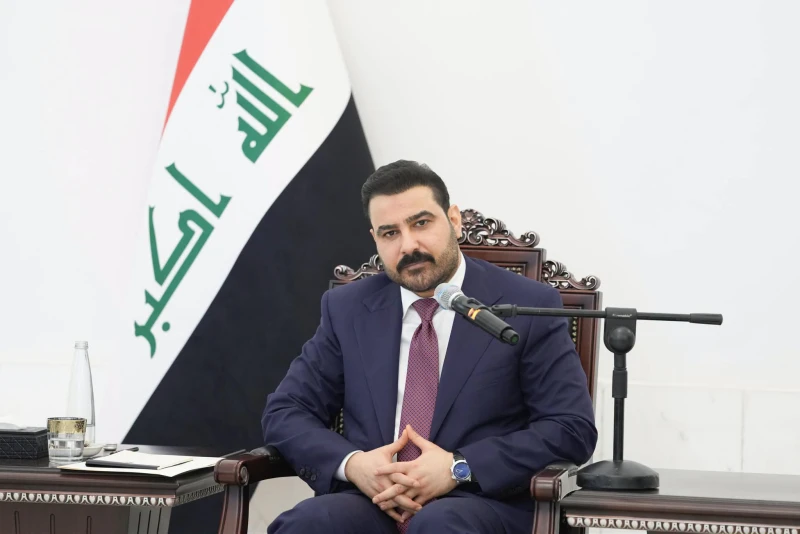

ERBIL, Kurdistan Region of Iraq - A former Iraqi MP and staunch critic of Iranian influence in Baghdad was found murdered at an apartment in Beirut, Lebanese state media reported Tuesday, with preliminary reports indicating that one of three potential suspects has been arrested.
Ahmed al-Alwani, a Sunni Iraqi who served in parliament between 2005 and 2014, was found in the Lebanese capital's Tariq al-Jadida neighborhood on Monday after being strangled, AFP reported, citing a judicial official.
The same source affirmed that a Lebanese national is currently in custody in relation to the killing, while two Syrian citizens suspected of involvement remain at large.
Having landed in Beirut the week prior, Alwani was captured on CCTV footage "voluntarily arriving with two other people at the building where his body was found," the official asserted, adding that the two Syrian suspects are believed to have taken him from the airport to the Sunni-majority area of west Beirut after he arrived on a flight from Erbil.
A statement issued by Alwani's office condemned the murder as a "heinous crime that... raises serious questions that cannot remain unanswered."
"Silence is no longer acceptable, and leniency in revealing the truth is not an option, and the blood of Iraqis is not cheap, no matter their positions or affiliations."
Iraqi Ambassador to Lebanon Mohammed Reda al-Husseini on Tuesday night affirmed that "we are in contact with the Lebanese security services to follow up on the circumstances of Alwani's murder, and we are waiting for the final report from the Lebanese security services to announce the circumstances of the murder."
Judge Ahmed Rami Al-Hajj, the public prosecutor at the Lebanese Court of Cassation, has taken the lead on the investigation into the case, per Lebanese state media.
Despite statements from both Iraqi and Lebanese officials affirming that the deceased is Alwani, the Iraqi embassy subsequently said that it "has not yet been determined" if the former lawmaker was the victim. noting that family members have been taken to see the corpse but cannot confirm whether it belongs to him "due to its decomposition."
"We are awaiting the results of DNA testing to confirm his identity," the embassy said in a statement.
Ahmed al-Alwani
Hailing from Anbar province, Alwani was a prominent figure in Sunni-led protests against the Iraqi government in 2013, and was arrested and sentenced to death the year after he was charged with the killing of two Iraqi soldiers during a raid on his house in Ramadi.
Alwani was acquitted of all charges in 2025 and released from prison following 11 years of incarceration.
The handling of his case drew criticism from international watchdogs, with the Committee on the Human Rights of Parliamentarians of the Inter-Parliamentary Union (IPU) in 2023 censuring what it dubbed as "flawed legal proceedings, including his confession made under torture."
Upon his release, which was welcomed by several Sunni parties, Alwani remained involved in politics despite not returning to parliament, having met with high-profile political figures such as Kurdistan Democratic Party (KDP) President Masoud Barzani in 2025.
A critic of Iranian influence
According to his own website, Alwani "was known for his firm opposition to foreign interference in Iraqi affairs, particularly Iranian interference. He strongly criticized Iraqi politicians whom he considered loyal to Iran and advocated for Iraqi sovereignty."
"He was a fierce critic of [former] Prime Minister Nouri al-Maliki's government during his time in parliament, accusing it of corruption, mismanagement, and sectarian bias," the website's political biography section notes.
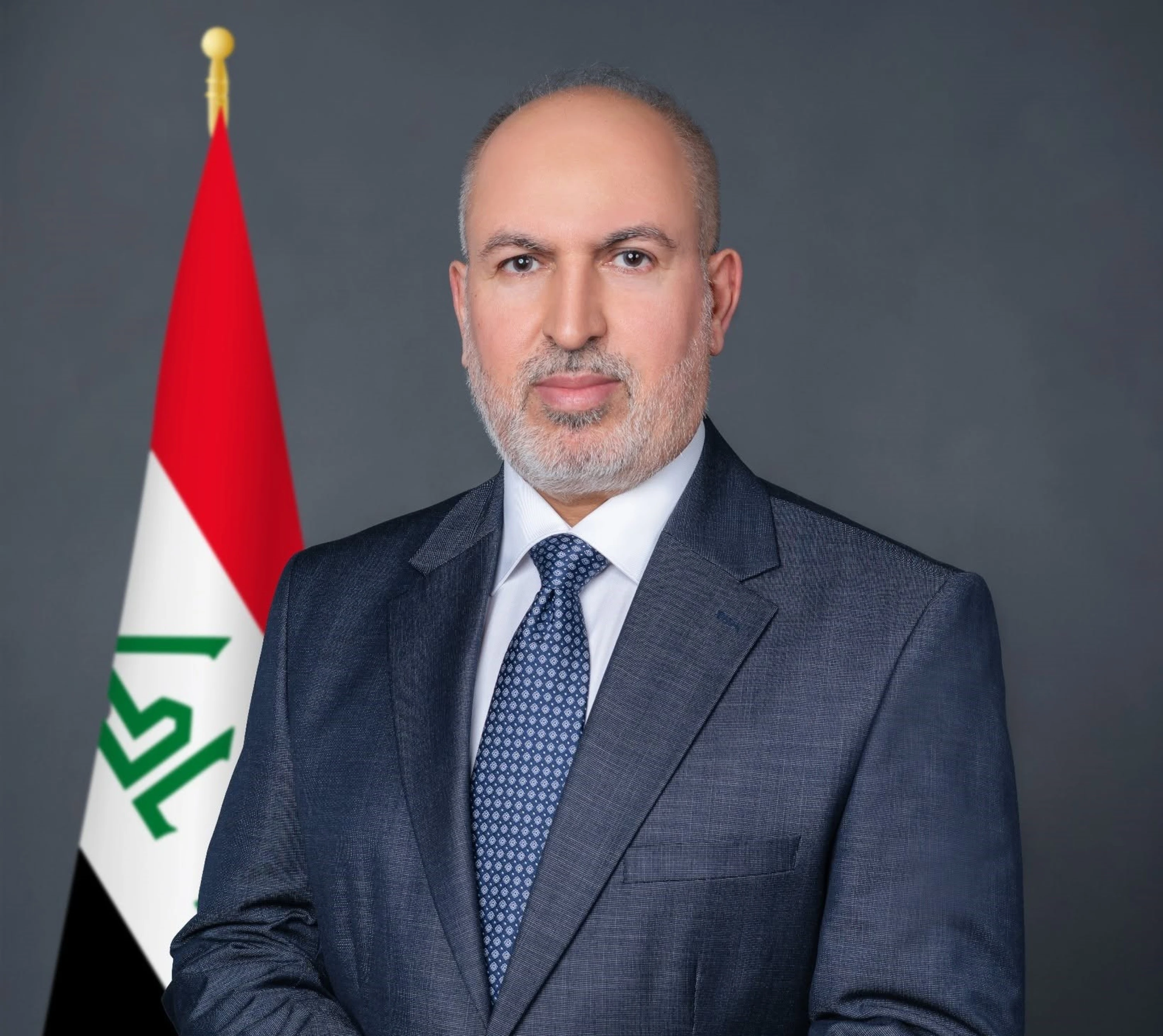
The Shiite-dominated Iraqi order following the downfall of Saddam Hussein's regime in 2003 has been a recurrent grievance for Iraq's Sunni population. Iranian influence in Baghdad expanded substantially in the mid-2000s, with Maliki having been maligned by the US for his perceived closeness to Tehran, a postulation that ultimately saw him lose a premiership bid to political newcomer Ali al-Zaidi after US President Donald Trump threatened to cut off support for Baghdad if the State of Law Coalition leader secured the nomination.
Since assuming the office, Zaidi has sought to curtail the salient role of pro-Iran armed factions in Iraq through a campaign seeking to restrict weapons to the hands of the state.
Recalcitrant Shiite militia groups such as Kataib Hezbollah have spurned the process, insisting that they, along with their ideological fellow travelers such as Lebanese Hezbollah and Yemen's Houthis, comprise an 'Axis of Resistance' to Western imperialism in the Middle East.
Despite Beirut undertaking a similar campaign seeking to enforce state authority and disarm Hezbollah, the militant group maintains a strong hold over Lebanese politics and remains one of the most powerful non-state actors in the world.
Prime Minister Zaidi is expected to visit Lebanon soon, with Ambassador Husseini having met with Lebanese Prime Minister Nawaf Salam on November 2 to discuss preparations for the official visit.
 Facebook
 LinkedIn
 Telegram
 X