
LONDON, United Kingdom - Iraq has a “gradual and precise” plan to remove all pretexts for the show of force and the presence of arms outside state control, the head of the National Security Service said on Wednesday, amid skepticism about whether Baghdad can achieve a July 2027 deadline to restrict weapons to the state.
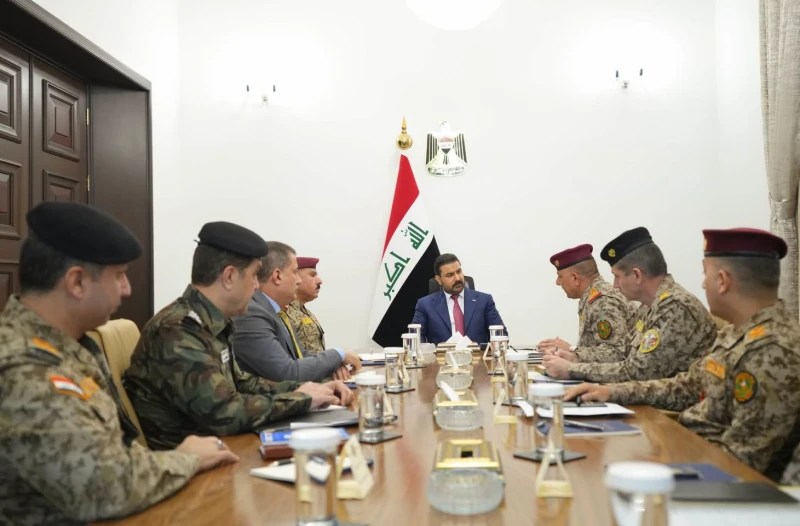
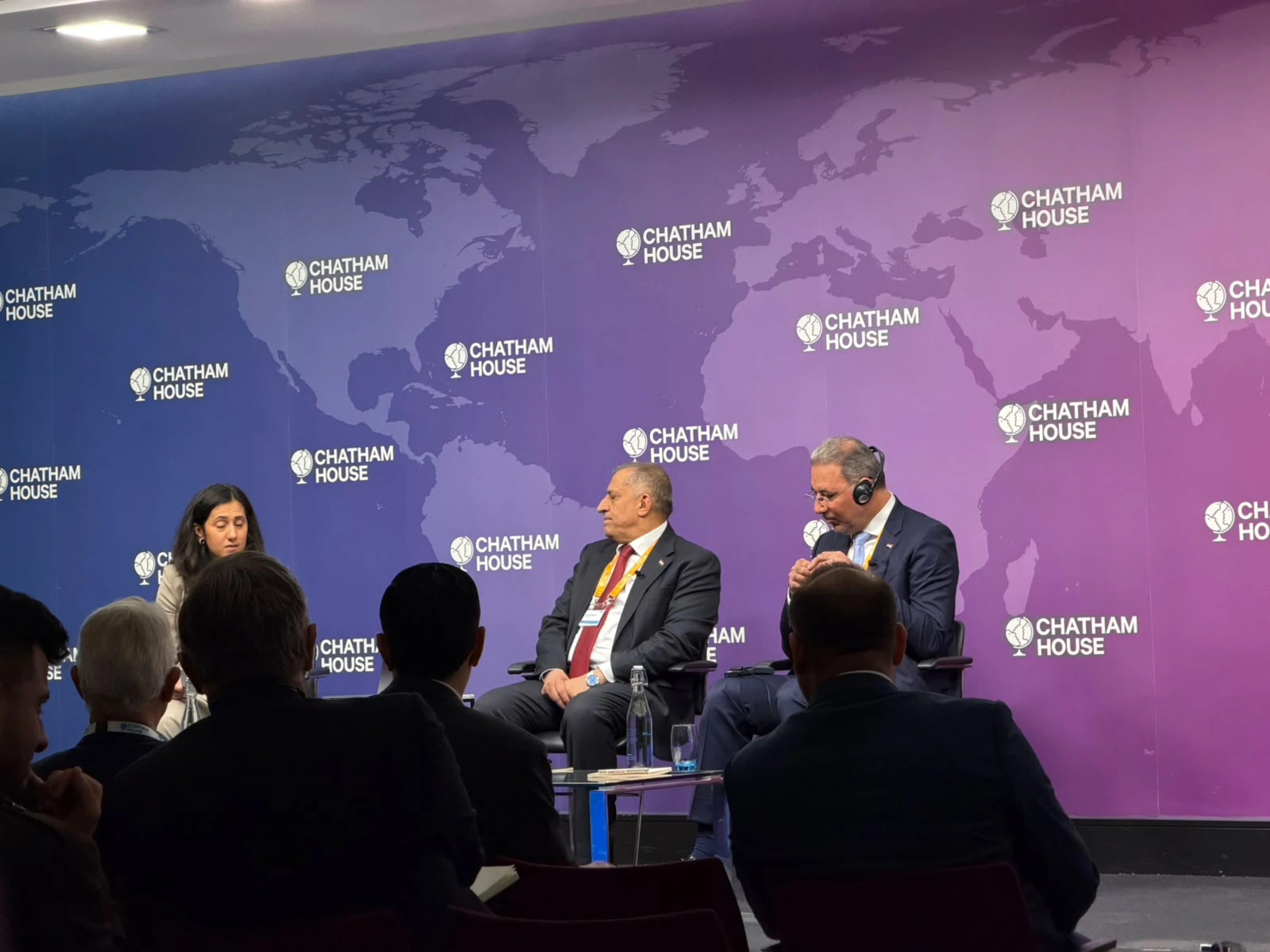
“The government has a gradual, precise plan to end all pretexts for the show of force. We require ending the basis for allowing force and arms to exist outside state control,” Basim al-Badri, head of Iraq’s National Security Service, said at Chatham House’s Iraq Initiative conference in London.
Speaking to The New Region on the sidelines, Badri stressed the “paramount importance” of the plan to restrict all arms to the state.
He named the Kurdistan Workers’ Party (PKK), Iranian Kurdish opposition groups based in the Kurdistan Region, Turkish forces, as well as “rogue elements” affiliated with the Popular Mobilization Forces (PMF), as the key entities that require restriction.
The Iraqi government has set June 30, 2027 as the deadline for restricting all weapons to the state. Prime Minister Ali al-Zaidi has been particularly vocal that the updated deadline will not be extended, after a previous end-of-September 2026 deadline was not met.
Iran-aligned groups affiliated with the state-linked PMF long used the presence of US-led coalition troops in Iraq as a pretext for retaining their weapons. The coalition completed its withdrawal from Iraq and the Kurdistan Region on September 30.
Kataib Hezbollah, among the principal Iran-backed groups refusing to disarm, has also stated that their disarmament hinges on the removal of Turkish troops and the “disbanding” of Kurdish Peshmerga forces.
The Peshmerga – the Kurdistan Region’s official armed forces – played a central role in the defeat of the Islamic State (ISIS) and are guaranteed by the Iraqi Constitution. The document recognizes the Kurdistan Region’s right to maintain its own internal security forces.
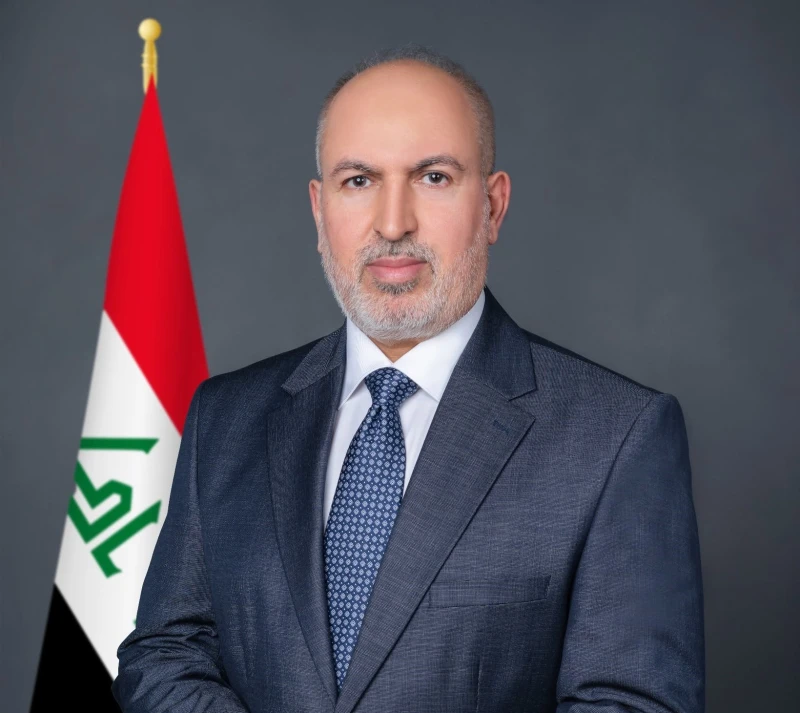
Iraq is also seeking to end attacks launched from its territory on neighboring countries. National Security Advisor Qasim al-Aboudi said that “we strive to have good relations with every party, especially our neighboring countries.”
“The presence of arms outside state control threatens Iraqi sovereignty,” Aboudi said in London, stressing that the Iraqi government “does not intervene in the interests of other countries.”
The Kurdistan Region has borne the brunt of attacks by Iran and Iran-aligned Iraqi armed groups, which have targeted vital energy infrastructure and the airport. Iran-backed groups have also struck Kurdish Peshmerga bases in the Region.
Tehran and its affiliated Iraqi groups have long accused Iranian Kurdish opposition groups in the Kurdistan Region of undermining the Islamic republic’s security, using it as a pretext to launch repeated strikes against the groups despite a months-long lull in attacks relating to the US-Iran conflict.
In 2023, Iraq and Iran signed a security agreement under which Baghdad pledged to disarm and relocate the Iranian Kurdish opposition groups from border areas, following repeated warnings from Tehran.
Since the outbreak of the US-Israeli war on Iran in February, the groups have been targeted by hundreds of drone and missile strikes.
The New Region asked Aboudi about the repeated attacks on Kurdistan and the future of the Iranian Kurdish groups but he declined to comment. Baghdad, Erbil, and the Iranian Kurdish opposition groups have issued differing statements on the groups’ future.
Moreover, Iraq and Turkey have long maintained conflicting positions about the presence of Turkish troops on Iraqi soil. Ankara has said that they are in Iraq to fight the PKK but Baghdad has accused its northern neighbor of violating its sovereignty.
On Sunday, the Iraqi prime minister’s office said that Turkey will begin taking “necessary steps” toward the “gradual” handover of the Zilkan military base in Nineveh province to Iraqi authorities. In September, a joint Iraqi-Turkish statement said that the handover will occur through an “agreed-upon mechanism and timeline.”
The announcement came after the Sinjar Resistance Units (YBS), an all-Yazidi force affiliated with the PKK, announced in late October that 4,165 of its fighters would integrate into the Iraqi security apparatus.
The PKK, which battled Ankara for over four decades, agreed to dissolve itself, withdrawing from military positions in the Kurdistan Region and engaging in a ceremonial disarmament ceremony in Sulaimani in July 2025.
 Facebook
 LinkedIn
 Telegram
 X