
ERBIL, Kurdistan Region of Iraq – Iraqi Prime Minister Ali al-Zaidi on Wednesday ordered the formation of an investigative committee to probe a recently uncovered massive oil smuggling operation involving state-owned pipelines in a stronghold of Iran-backed groups in Babil.
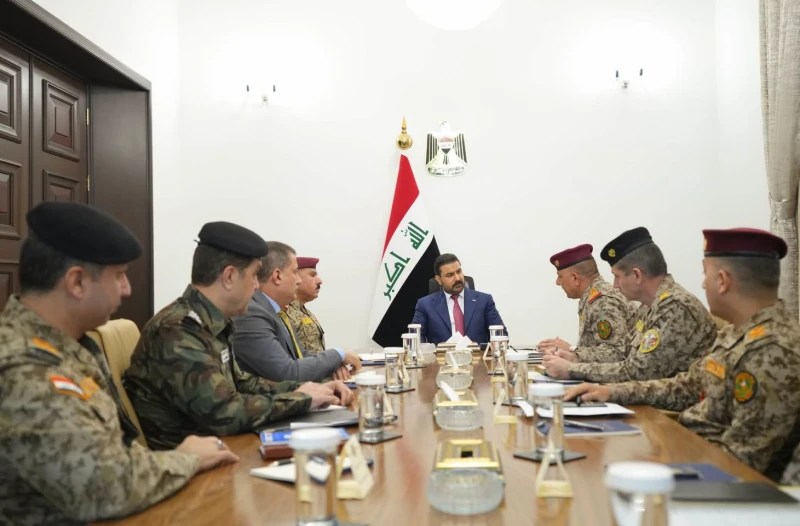
“The Prime Minister and Commander-in-Chief of the Armed Forces [Zaidi] has ordered the formation of an investigative committee,” tasked with “investigating information regarding the smuggling of petroleum products in the Jurf al-Nasr area,” read a document from Abdul Amir al-Shammari, head of the Iraqi commander-in-chief’s office, seen by The New Region.
The committee comprises senior federal and energy police officials, representatives from the Popular Mobilization Commission (PMC), the Integrity Commission, and the Federal Intelligence and Investigative Agency.
Iraqi parliament speaker Haibat al-Halbousi also directed the formation of a temporary parliamentary committee, led by head of the security and defense committee Khalid Mutaib al-Obeidi, to probe the matter, as well as reports of other smuggling routes across the country and the recent attack on the Kurdistan Region’s key Khor Mor gas field.
The directives come after the Iraqi Intelligence Service recently published a report, detailing a major operation to smuggle oil that has been ongoing since 2021 in Babil’s Jurf al-Nasr subdistrict – a town where the pro-Iran Kataib Hezbollah remains the principal force.
Jurf al-Nasr has been a stronghold for pro-Iran militias since the defeat of the Islamic State (ISIS) in the area.
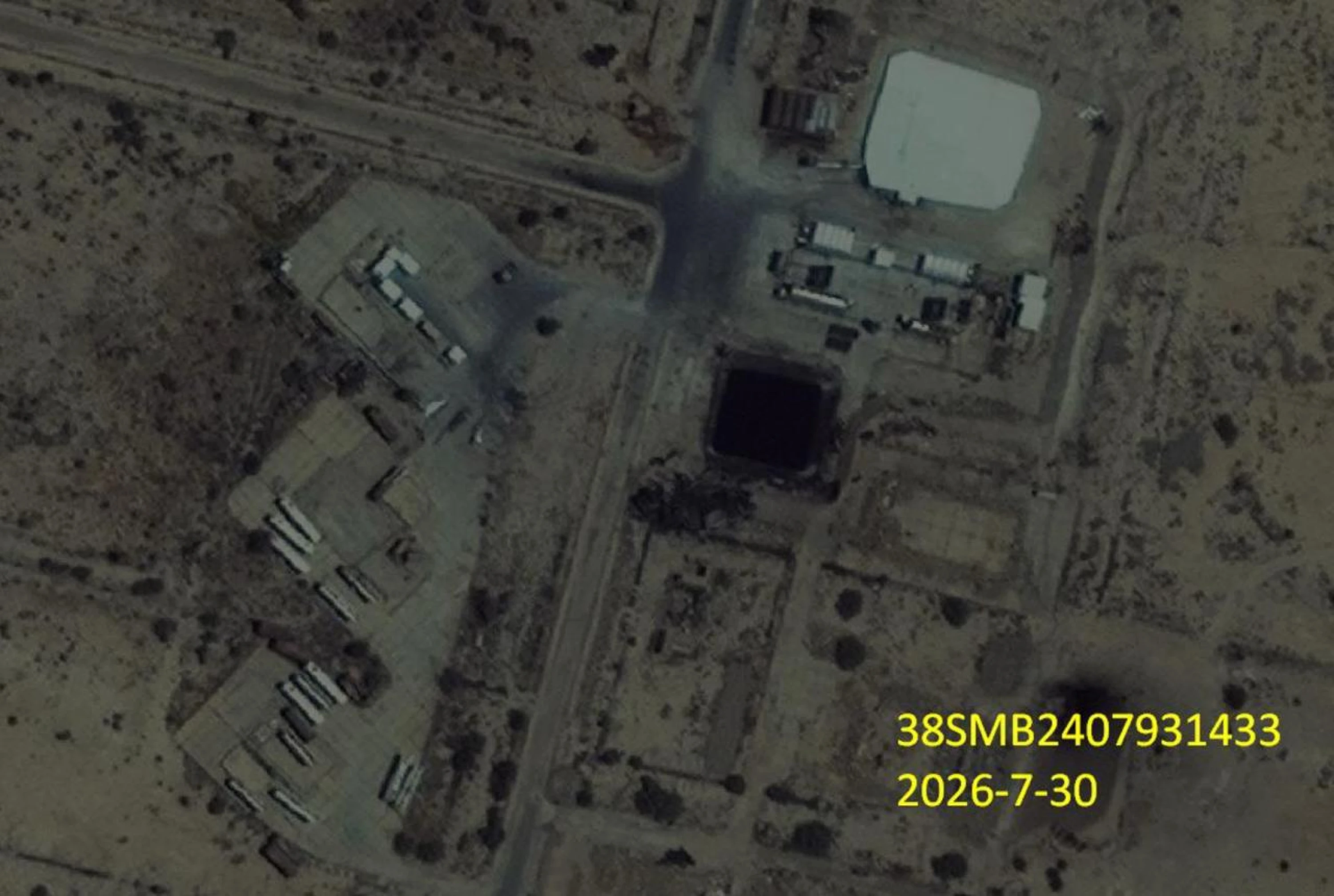
According to the classified report, the operation used an underground oil pipeline that passed through the town, where the oil was then loaded at a “primitive oil depot” before being transported to Baghdad via three distinct routes using dozens of tanker trucks with a capacity of 36,000 liters.
An informed source told Iraqi state media that the stolen oil was stored in deep underground pits and the areas of the operation were camouflaged with white metal structures that helped conceal tanker movements and equipment from government surveillance.
The source added that the smugglers mainly relied on two paths to transport the oil to Baghdad. The first began along the Baghdad-Babil road and passed through the Mussayyib Bridge, while the second originated at the makeshift refinery and headed toward Amiriyat al-Fallujah.
The intelligence agency urged the oil ministry to pursue legal measures against relevant officials within the ministry for “failing to take the necessary measures to address these breaches from the year 2021 until now,” as well as measures against authorities responsible for the construction of oil facilities for causing “damage to public funds.”
The town of Jurf al-Nasr, formerly known as Jurf al-Sakhar, is a predominantly Sunni enclave within Babil province with a complex yet strategic geography. The area connects Baghdad, Anbar, and the Shiite holy cities of Najaf and Karbala.
ISIS captured Jurf al-Sakhar in 2014, and the subdistrict was captured by Iraqi security forces and large Shiite formations of Popular Mobilization Forces (PMF) in October of the same year, in a campaign codenamed Operation Ashura. The town was then named Jurf al-Nasr, or the Cliff of Victory, to honor the victory over the jihadists.
In addition to the oil smuggling reports, Kataib Hezbollah has for years been accused of preventing the return of Jurf al-Nasr’s native Sunni population since 2014. A 2024 report by the UN’s International Organization for Migration (IOM) identified Kataib Hezbollah’s continued control of Jurf al-Nasr as the primary factor hindering returns.
Kataib Hezbollah is also among three major Iran-backed armed groups that have refused repeated calls from Baghdad to disarm. Under the Iraqi government’s updated decision, all armed groups must complete the disarmament process by July 2027.
 Facebook
 LinkedIn
 Telegram
 X