
ERBIL, Kurdistan Region of Iraq – Iraq plans to build a new airport in Baghdad that is set to span 20,000 dunams with a capacity of holding 20 million passengers per year, alongside plans to expand the Baghdad International Airport, an official in the National Investment Commission (NIC) revealed on Wednesday.
In an interview with the state-owned Al Iraqiya, NIC Chairman Adel al-Yasiri highlighted plans to “construct a new airport in Baghdad with an annual capacity of 20 million passengers.”
“The commission is currently preparing a site spanning approximately 20,000 dunams near the capital for this purpose,” he added.
Yasiri stressed that the project is scheduled to be developed through an “investment model” managed by “major international firms.”
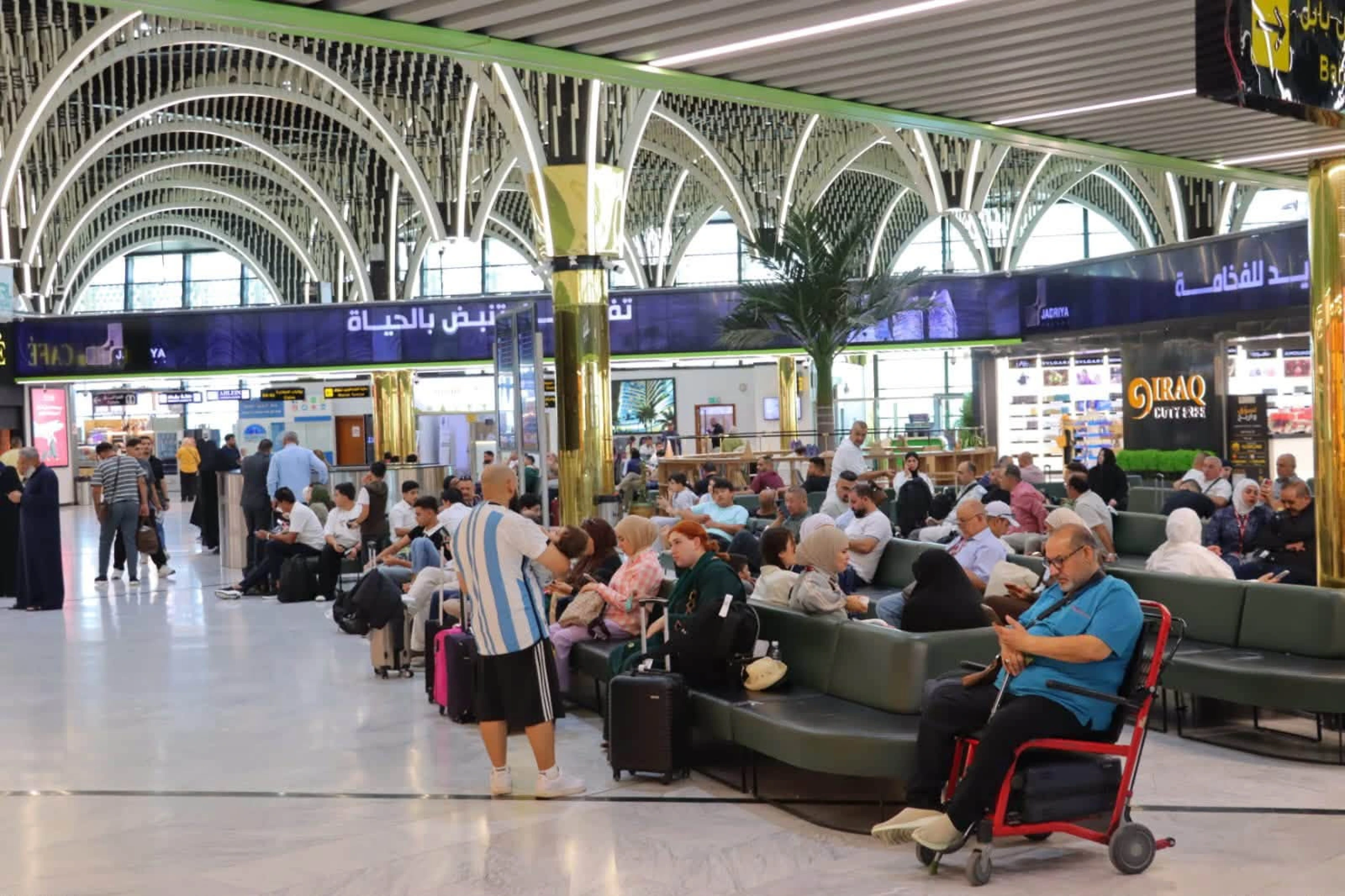
The official further revealed plans for “major redevelopment” of the Baghdad International Airport and Mosul airport, asserting that the projects are part of a broader effort to “upgrade infrastructure and enhance Iraq’s capacity to handle air traffic.”
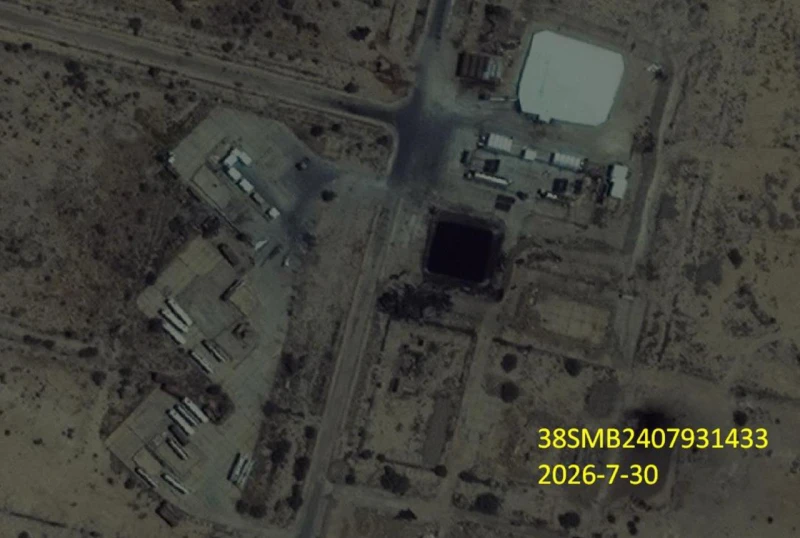
In a previous statement, the NIC stressed that the investment project around the Baghdad International Airport will be built on state-owned land, located within the presidential palaces and former military sites in order not to encroach on civilian lands.
It added that the committee tasked with determining the project’s boundaries handed the UK-based DAICO, the investor of the project, “no more than 300 dunams.”
In October 2025, Iraq announced the awarding of a contract to rehabilitate, develop, and operate Baghdad International Airport to a consortium of the Luxembourg-based Corporacion America Airports (CAAP) and Iraq’s Amwaj International, stipulating that the investors will be expected to spend approximately $764 million on rehabilitating and developing the facility without government funding during the concession period.
Yasiri noted that the commission has adopted a strategy that “prioritizes large-scale strategic projects that align with the Prime Minister’s vision, moving away from haphazard or small-scale initiatives,” highlighting Prime Minister Ali al-Zaidi’s “new strategy” which focuses on investment as a “fundamental pillar of development.”
 Facebook
 LinkedIn
 Telegram
 X