
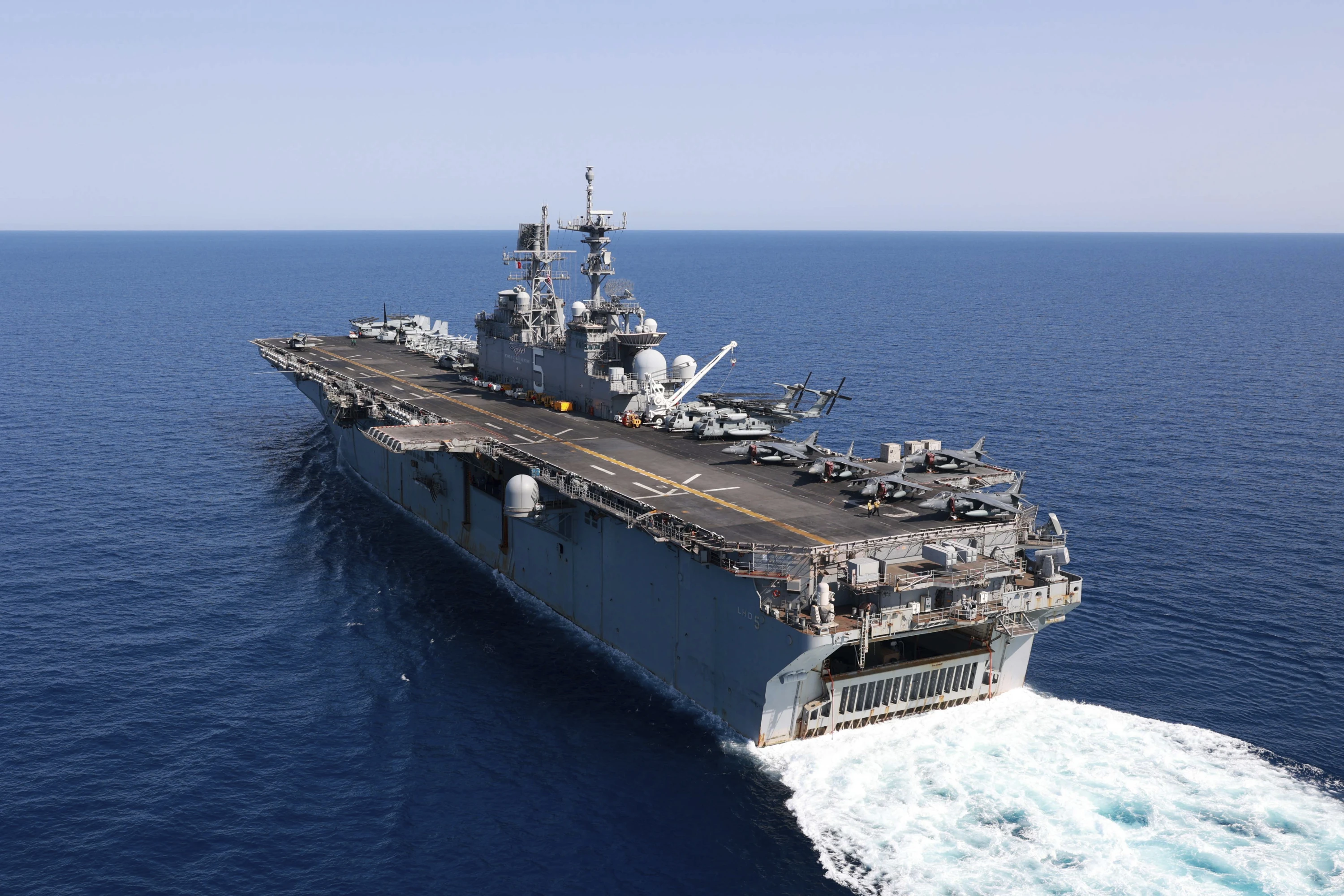
ERBIL, Kurdistan Region of Iraq - Iran’s Islamic Revolutionary Guard Corps (IRGC) said Friday that it destroyed an early-warning radar operated by the US military in Bahrain, in response to alleged American “aerial provocations and oil smuggling” in the Strait of Hormuz.
“A short while ago, in response to the enemy’s aerial aggression against a telecommunications mast in Sirik, the IRGC Aerospace Force targeted and destroyed an early-warning radar belonging to the aggressive US forces on the island of Bahrain,” the forces said in a statement.
It added that the strike serves as a warning to “put an end to their aerial provocations and oil smuggling in the Strait of Hormuz,” asserting that if the acts recur, the IRGC “stands in a state of full readiness to engage without limits.”
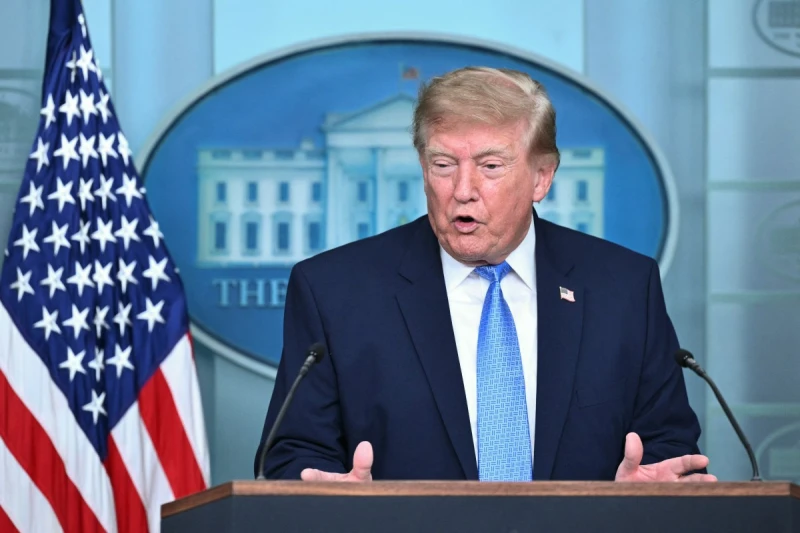
US President Donald Trump said Thursday that Washington no longer needs a deal with Tehran, claiming the US has full control of Iran’s assets and the Strait of Hormuz, while adding that “those days have long since passed.”
In a televised interview on Thursday, Trump said that he has been urged by several Gulf states to hold off on striking Iran.
“At the request of the nations that I’m looking to protect. We are doing it a little bit longer way, a little bit more civilly,” the president said, identifying the countries as Saudi Arabia, Qatar, Bahrain, and the UAE, all of which, he claimed, “would much prefer the waiting period."
“I could end it immediately,” he claimed.
In October, the US Central Command (CENTCOM) said it had helped Gulf countries export 1.5 billion barrels of oil through the Strait of Hormuz, bypassing the Iranian blockade.
Gulf states have been subject to repeated Iranian attacks since the US-Israeli war on Iran began in late February. The attacks have sporadically continued following the collapse of the Memorandum of Understanding (MoU) signed by the US and Iran in June.
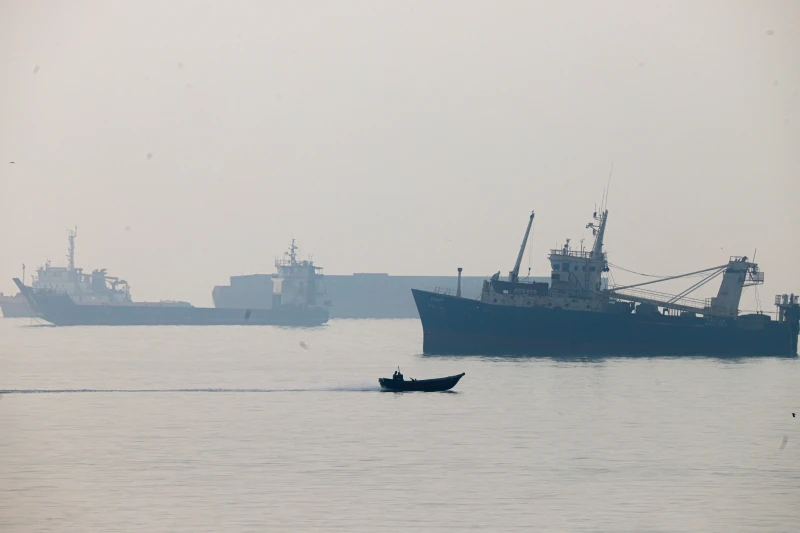
Iran has also engaged in frequent attacks on ships in the Strait of Hormuz, while claiming other tankers have struck sea mines laid after failing to heed Iranian-approved navigation routes.
Tehran moved to restrict passage through the strait following the regional unrest. US forces later imposed a counter-blockade.
Washington and Tehran reached an MoU on June 17 to end hostilities and resume negotiations for 60 days. A key Washington condition in the MoU was free navigation in the strait. The deal fell apart only 21 days later after CENTCOM said Iranian forces had attacked a Cyprus-flagged ship in the Strait of Hormuz.
 Facebook
 LinkedIn
 Telegram
 X