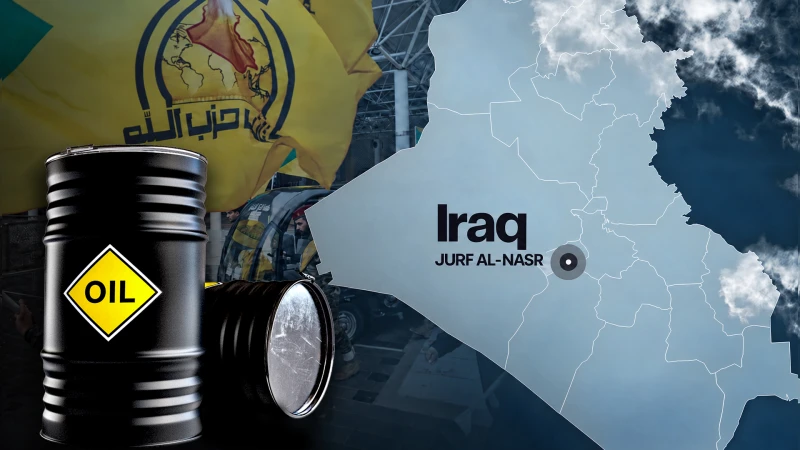

ERBIL, Kurdistan Region of Iraq – The head of Babil’s Provincial Council said Friday that an Iraqi investigative committee probing suspected oil smuggling in Jurf al-Nasr has faced no obstruction in its work, coming after the province's governor submitted his resignation in the wake of the incident.
The committee was formed on Wednesday by Iraqi Prime Minister Ali al-Zaidi to investigate reports of a major oil-derivative smuggling operation involving state-owned pipelines in the area.
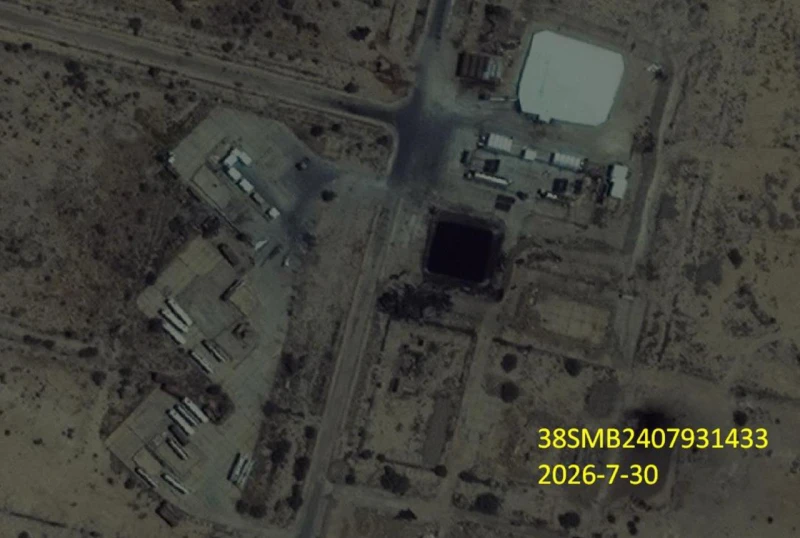
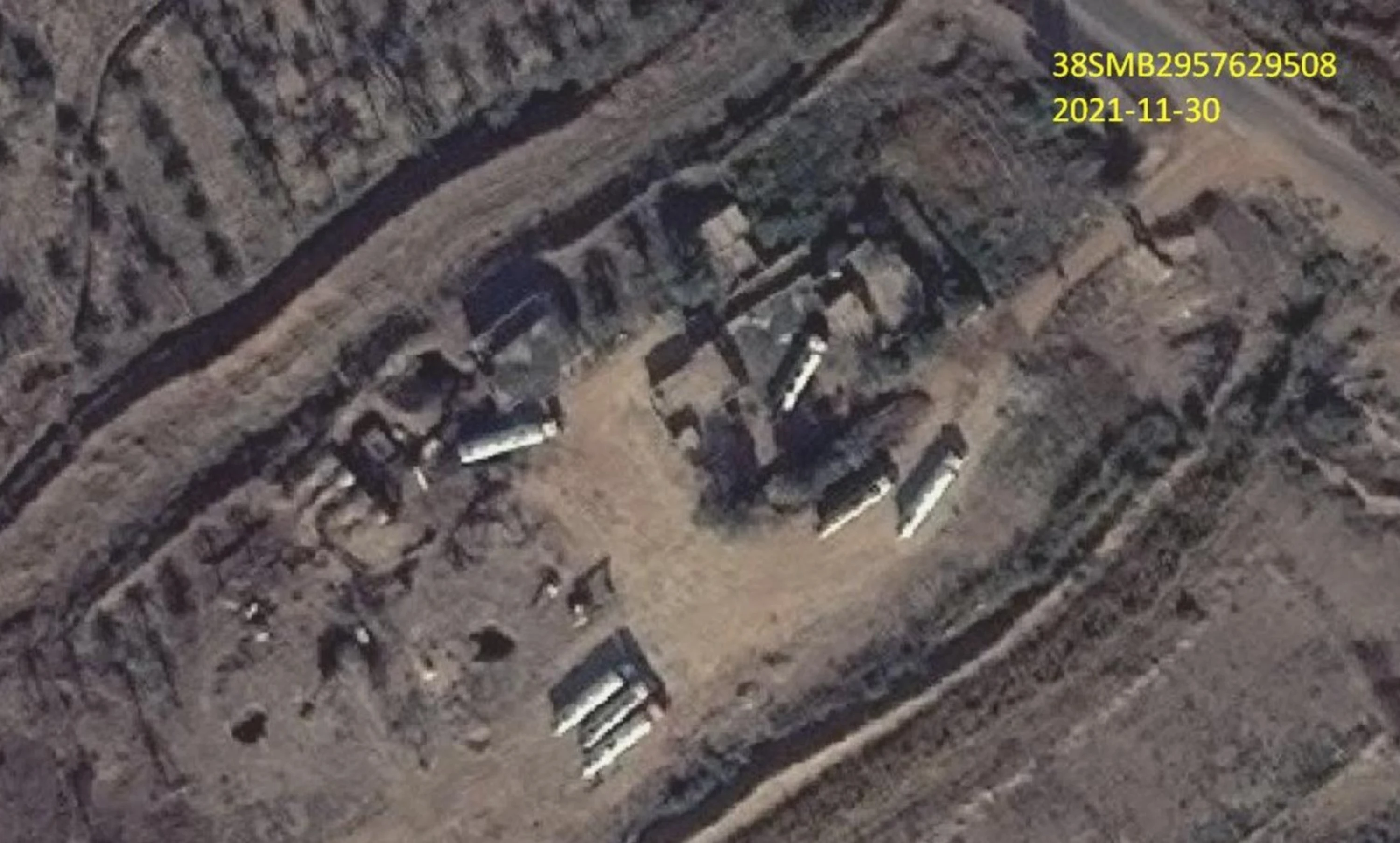
The investigation comes after the Iraqi National Intelligence Service recently published a report detailing a smuggling network in operation since 2021 in an area “under the responsibility of one of the armed factions.”
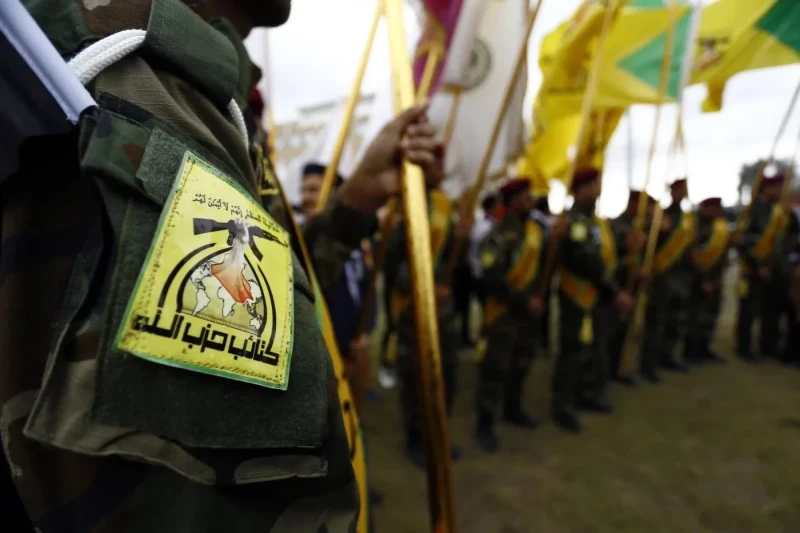
Although the report does not name the group hinted at, Jurf al-Nasr has been a stronghold for pro-Iran militias since the defeat of the Islamic State (ISIS) in the area, with Kataib Hezbollah being the most salient local actor.
Babil Provincial Council chief Asaad al-Muslmawi told state media that the committee had completed its “initial procedures” in Jurf al-Nasr and returned to Baghdad after beginning its work on Friday. He said it would resume work in the coming days to “complete the collection of information and prepare the necessary reports.”
He added that the investigation was not yet complete, as the committee had not finished “gathering sufficient information” and still needed to review additional reports and visit other locations.
Muslmawi said the committee’s work “proceeded smoothly, and it did not encounter any objection or obstruction during the performance of its duties.”
Iraqi state media reported Thursday that Babil Governor Ali Turki al-Jamali had submitted his resignation, coming after he publicly denied the allegations of smuggling in the area.
Jamali is a member of the Sadiquon bloc, the political wing of the pro-Iran Asaib Ahl al-Haq armed group.
Muslmawi stressed that the investigation falls under federal jurisdiction and that the Babil local government “does not interfere in the committee's work.” However, he said the local authorities had “facilitated its mission and provided the necessary conditions for its entry into the designated areas and the collection of required information.”
Some parts of Jurf al-Nasr still contain remnants of war and landmines, he said, explaining the challenges involved in accessing certain locations.
Head of the Security Media Cell Saad Maan told state media that “there are no political entities or factions within the investigative committee tasked with the file of oil derivative smuggling in the Jurf al-Nasr area.”
The committee comprises senior federal security and energy police officials, representatives of the Popular Mobilization Commission, the Federal Integrity Commission, and the Federal Intelligence and Investigative Agency.
Muslmawi said the local government “will not accept any encroachment on state property and funds, should the circulating information prove to be true, as these belong to the people.”
The town, formerly known as Jurf al-Sakhar, is a predominantly Sunni enclave within Babil province with a complex yet strategic geography. The area connects Baghdad, Anbar, and the Shiite holy cities of Najaf and Karbala.
ISIS captured Jurf al-Sakhar in 2014, and the subdistrict was captured by Iraqi security forces and large Shiite formations of Popular Mobilization Forces (PMF) in October of the same year, in a campaign codenamed Operation Ashura. The town was then named Jurf al-Nasr, or the Cliff of Victory, to honor the victory over the jihadists.
In addition to the oil smuggling reports, Kataib Hezbollah has for years been accused of preventing the return of Jurf al-Nasr’s native Sunni population since 2014. A 2024 report by the UN’s International Organization for Migration (IOM) identified Kataib Hezbollah’s continued control of Jurf al-Nasr as the primary factor hindering returns.
Kataib Hezbollah is also among the three major Iran-backed armed groups that have refused repeated calls from Baghdad to disarm. Under the Iraqi government’s updated decision, all armed groups must complete the disarmament process by July 2027.
 Facebook
 LinkedIn
 Telegram
 X