
RIYADH, Saudi Arabia – When Noura left Sanaa for Riyadh, she faced a long and arduous journey -- cautiously avoiding battle lines, navigating checkpoints and travelling hundreds of kilometres across war-torn Yemen to the Saudi border.
To reach Al-Wadiaa, the only land crossing still open, the 52-year-old hired a Bedouin guide to drive her across Al-Jawf desert in northern Yemen.
She is among many Yemenis who, seeking jobs or safety in wealthy Saudi Arabia, or simply visiting family there, see little choice but to make the difficult journey.
It is a risky shortcut through a region where fighting rages between the Iran-backed Houthis and Yemeni government forces supported by Riyadh.
"With Sanaa airport closed and the only other option being a long, several-day detour through the south of the country, we preferred to drive across the desert," said Noura, who like all those interviewed for this story asked to go by a pseudonym.
To cross the desert expanses, she paid $200 to her guide for his expertise driving through the dunes and knowing which areas to avoid.
In videos she filmed, seen by AFP, dozens of old 4x4s and pickup trucks wind their way through the sand in thick clouds of dust, while men in traditional dress try to free one car stuck.
"Once we had left areas controlled by the (Houthi) authorities, we had to take desert tracks because the roads were unsafe due to the fighting," she told AFP.
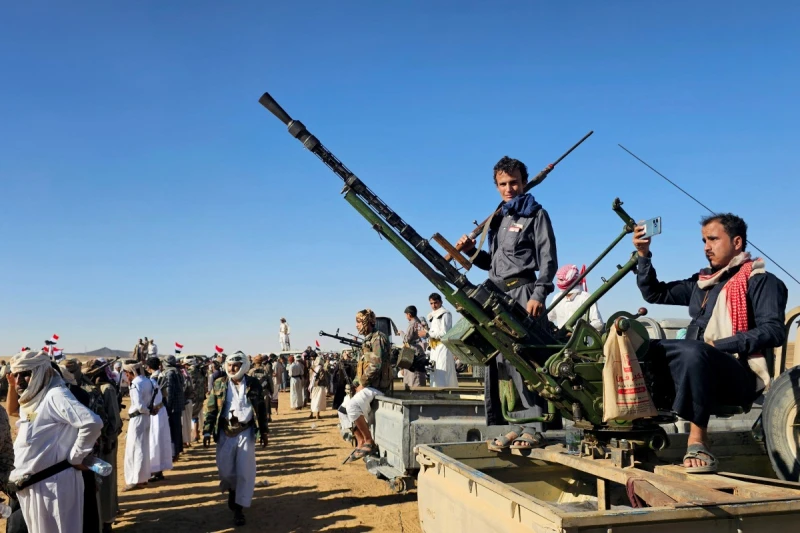
The sand is not the only danger: AFP footage filmed in early November shows soldiers firing machine guns from armoured vehicles in the desert.
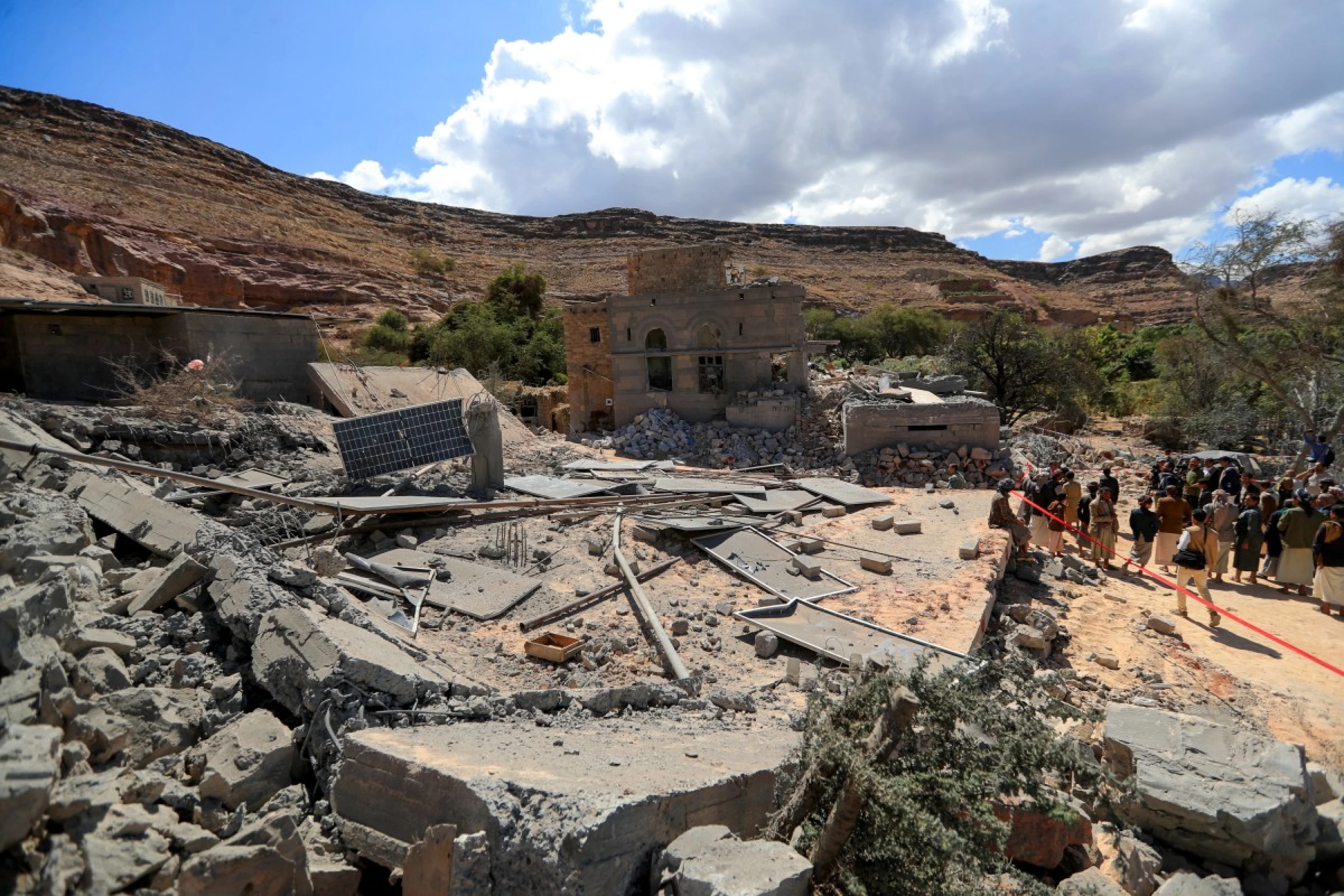
In October, Yemen's government said it had shot down Houthi drones in the area, while the Houthis reported Saudi airstrikes.
Noura undertook the 48-hour journey to visit her son in Riyadh.
Others make the trip to flee Houthi-controlled territory. Many are seeking work in Saudi Arabia, the Arab world's largest economy and a magnet for Yemenis for decades.
Anyone who cannot afford a Bedouin guide can board a bus, which takes a large detour extending the trip by about 10 hours.
The buses sometimes wait days to cross the border, where they queue in a separate lane, Saudi authorities painstakingly searching vehicles and luggage with scanners and dogs.
- Uncertain status -
For those travelling from Houthi-held areas, which include much of northern Yemen, there are few alternatives to the gruelling overland journey.
Commercial flights to and from the Houthi-controlled capital Sanaa have been on hold since Israeli strikes damaged the airport last year.
Yemenis, usually unable to get Saudi work or tourist visas, often rely on religious visas -- meant for Muslims visiting the holy cities of Mecca and Medina.
Kholoud, 24, from the Houthi-controlled port city of Hodeida, is one of them.
Pregnant, she lives in the Saudi city of Taif with her husband but is forced to frequently travel to Al-Wadiaa to renew the religious visa.
Her husband, fearing that fighting could spread to Hodeida, does not want her to return to Yemen.
"My gynaecologist had advised me not to travel because of my pregnancy," Kholoud said.
Many who enter on the three-month pilgrimage permit make regular trips back to the border to renew it.
Nearly two million Yemenis live in Saudi Arabia, according to an estimate by Saudi officials.
On October 11, the kingdom launched a two-month campaign to regularise the status of some Yemenis living there illegally.
"Those of us on Umrah visas are here legally," said Kholoud.
"But our status remains uncertain."
- 'Five exhausting days' -
With the Houthis controlling swathes of Yemeni territory along the border, Al-Wadiaa remains the only functioning land crossing.
It recorded around 2.3 million crossings in 2024, according to the Sana'a Centre for Strategic Studies.
To reach the boundary from Sanaa, travellers often traverse the battle-wracked Al-Jawf governorate.
In September, Yemen's defence ministry urged civilians to avoid several roads in the area.
For those heading south to Aden, the interim seat of government since the Houthis seized Sanaa in 2014, the journey has been complicated by fighting in and around Taiz.
Aden is also regularly targeted by Houthi barrages, including one against the city's airport last month. The Houthis have now seized strategic hilltops overlooking the wider Aden province.
After a fragile four-year truce, fighting between the Houthis and government forces, backed by a Saudi-led military coalition, reignited in July.
Intense clashes have displaced more than 250,000 people, the United Nations refugee agency said last month.
Much Houthi firepower has also been directed at Saudi Arabia, with missile and drone attacks targeting energy installations, ports and airports.
Fatima, a woman in her 60s from Sanaa, travelled with one of her sons to visit another son in Saudi Arabia, who had urged them to stay with him until the fighting died down.
"After five exhausting days on the road, if I had known what was waiting for me, I would have stayed in Sanaa," she said.
 Facebook
 LinkedIn
 Telegram
 X