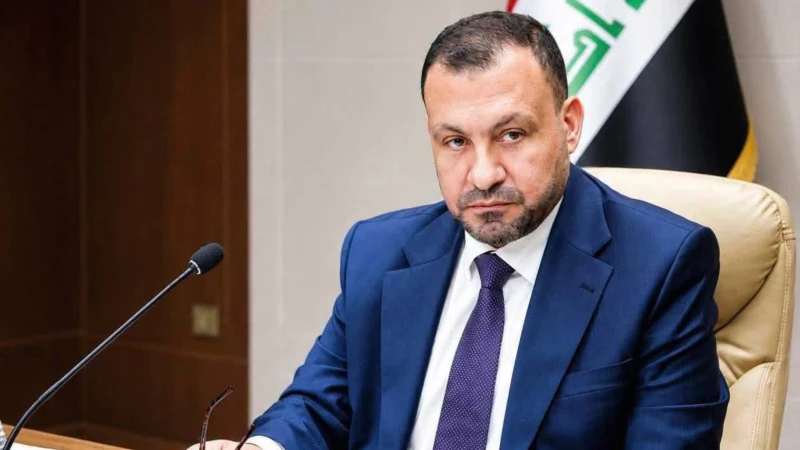
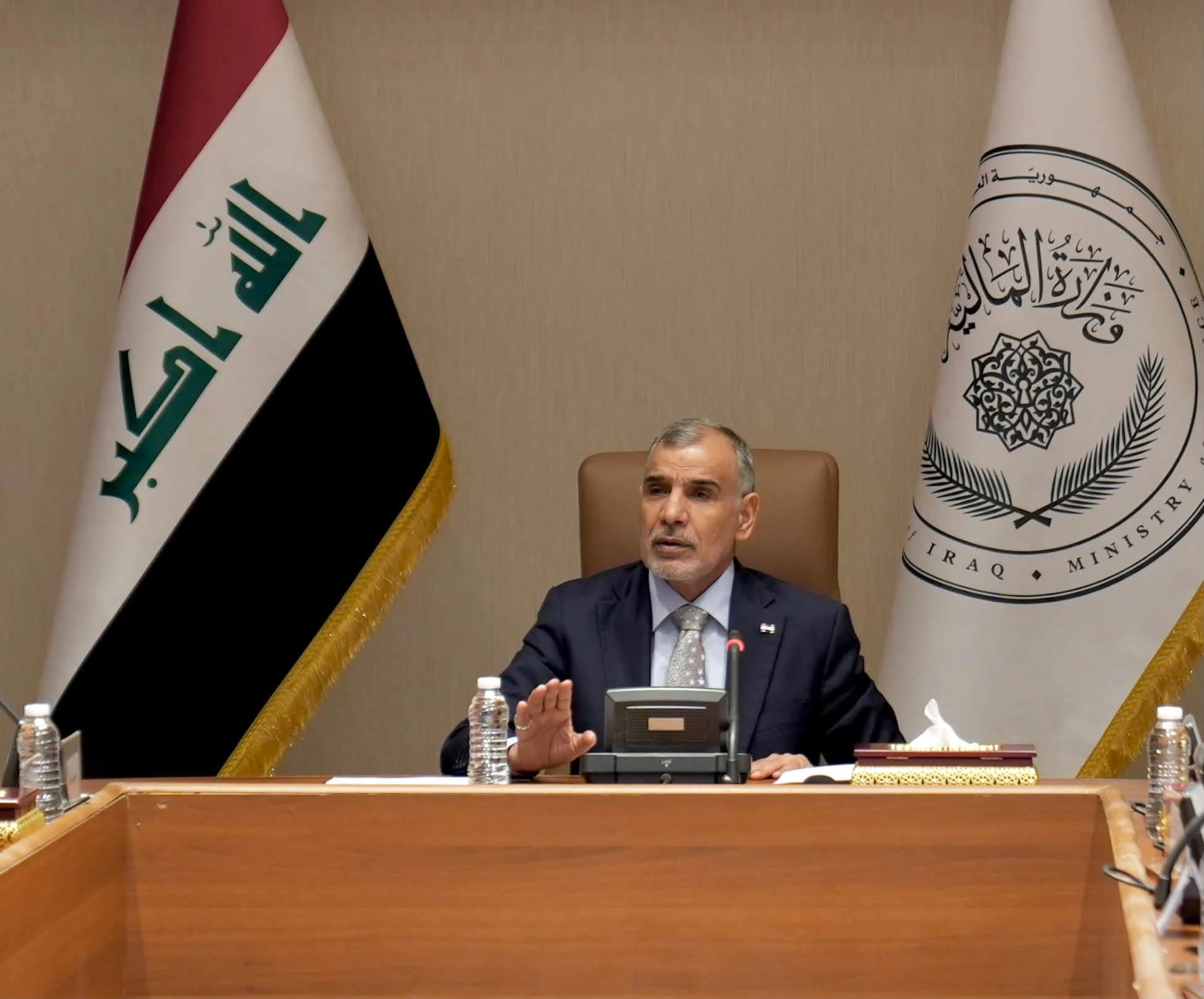
ERBIL, Kurdistan Region of Iraq – The establishment of a new ministry in the Iraqi government has contributed to delays in approving the country’s 2027 budget, Finance Minister Falih al-Sari said Monday.
The Iraqi government under Prime Minister Ali al-Zaidi unveiled several new posts, including the Ministry of Digital Economy, Governance, Science, and Technology, which includes in its remit Iraq's approach to artificial intelligence (AI).
Speaking at a forum for Iraqi and Turkish think tanks in Baghdad, Sari said the creation of the ministry had “influenced the revision of the terms and focus areas of the upcoming federal budget.”
He said the “2027 budget will soon be approved by the Council of Ministers, following a review of its financial provisions.”
Mohammed al-Daraji of Iraq’s Khadamat Alliance was appointed to head the new ministry during a parliamentary session in October, which completed the formation of Zaidi’s cabinet except for one ministry.
The new portfolios were contested by a group of 17 lawmakers from the Hoquq Movement, Badr Organization, Abshir Ya Iraq, and Ishraqat Kanun, who boycotted the session over the introduction of the new posts.
Uday Awad, the head of the Iraqi parliament’s finance committee, said in October that the draft budget is set to be presented to the legislature in mid-November, coming after it was reportedly returned to the finance ministry for revision by the Iraqi Council of Ministers.
Sari also said the government was working to “fully resolve the status of contract-based and daily-wage workers by granting them permanent employment,” adding that “previous years of service will be taken into account during the regularization process.”
Prime Minister Zaidi has issued a directive to grant permanent employment status to more than 500,000 contract and temporary government employees under the 2027 budget, government spokesperson Haidar al-Aboudi said late October. He also instructed the creation of 120,000 other contract positions to be distributed according to population ratios.
Another major point of contention ahead of the new draft budget’s approval is the share of the Kurdistan Region. Erbil has maintained that its share of the federal budget must reflect its actual population, which is 14.14 percent of Iraq’s total, according to the latest census. In mid-September, Kurdistan Region Prime Minister Masrour Barzani called anything less than that “unfair”.
High-level delegations from Erbil and Baghdad have held several discussions with the aim of coming to an agreement on the new budget. Barzani visited Baghdad earlier in November, where he met with Iraq’s Zaidi to discuss the Kurdistan Region’s share in the federal budget.
 Facebook
 LinkedIn
 Telegram
 X