
ERBIL, Kurdistan Region of Iraq - Several main roads are set to be reopened in Jurf al-Nasr following the redeployment of security units, Sabah al-Numan, military spokesperson for Iraqi Prime Minister Ali al-Zaidi, said on Wednesday.
In remarks to al-Iraqiya, the spokesperson highlighted plans for the “reopening of key roads connecting the area [Jurf al-Nasr] to the Amiriyah Fallujah sub-district, Baghdad, and Anbar province.”
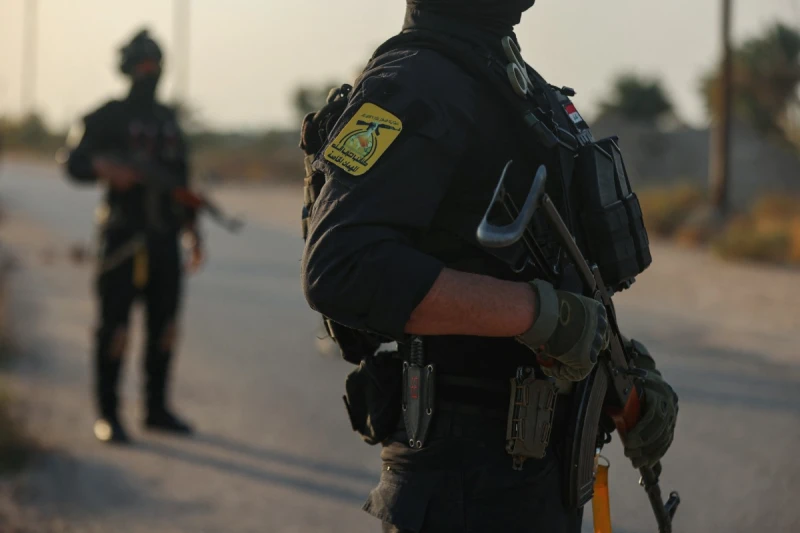
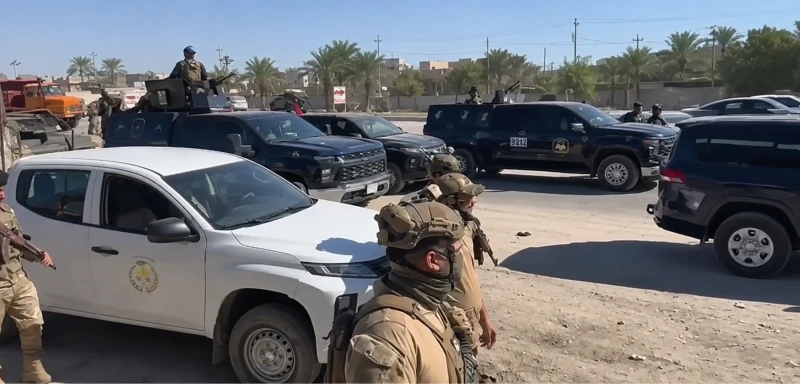
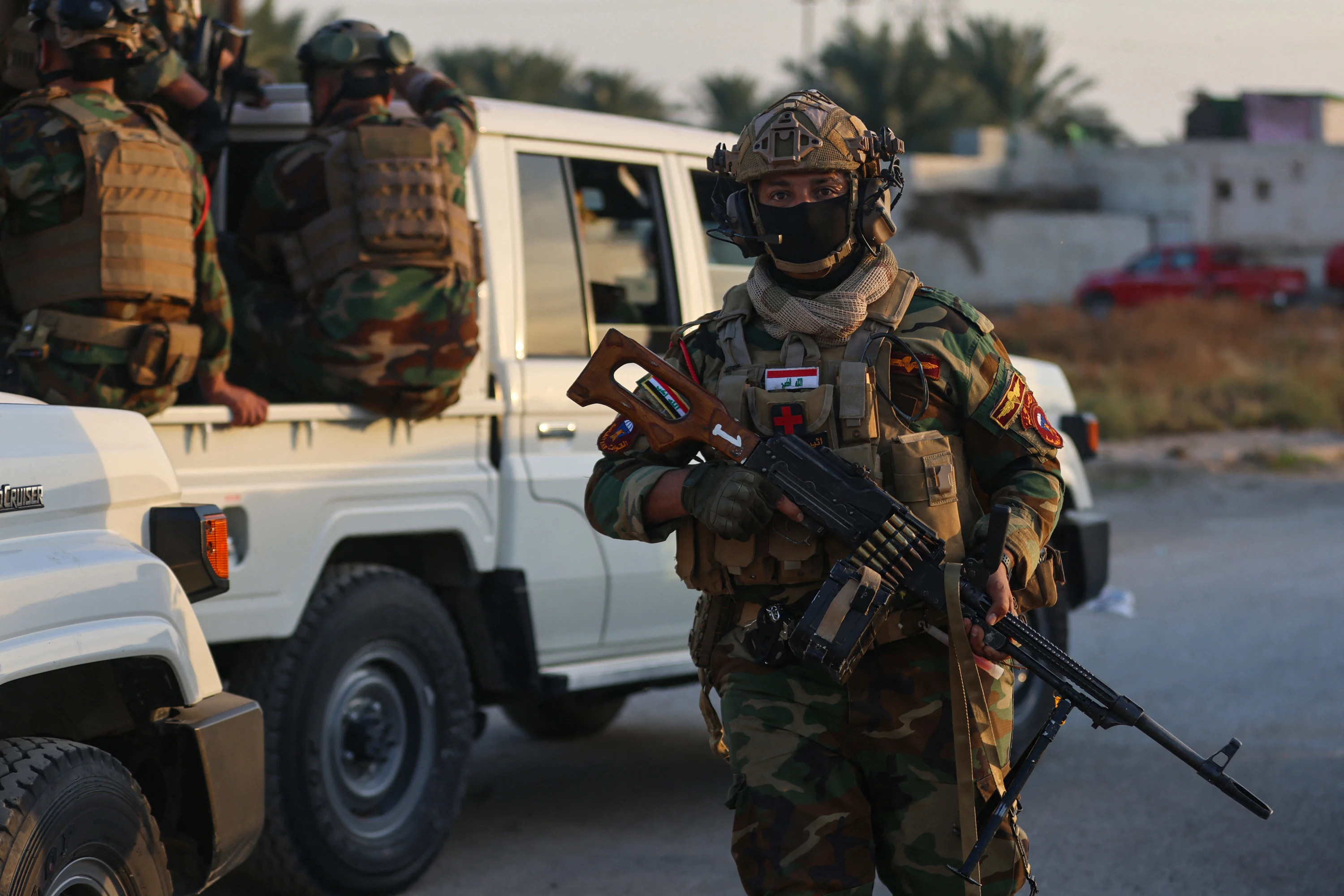
The roads are set to be reopened following the redeployment of new security units to the Kataib Hezbollah-dominated area in Babil province, which includes the Popular Mobilization Forces (PMF), federal police, and the Iraqi army.
A permanent regiment from the Counter-Terrorism Service (CTS) has also been stationed in the area to serve as a reserve force, Numan added.
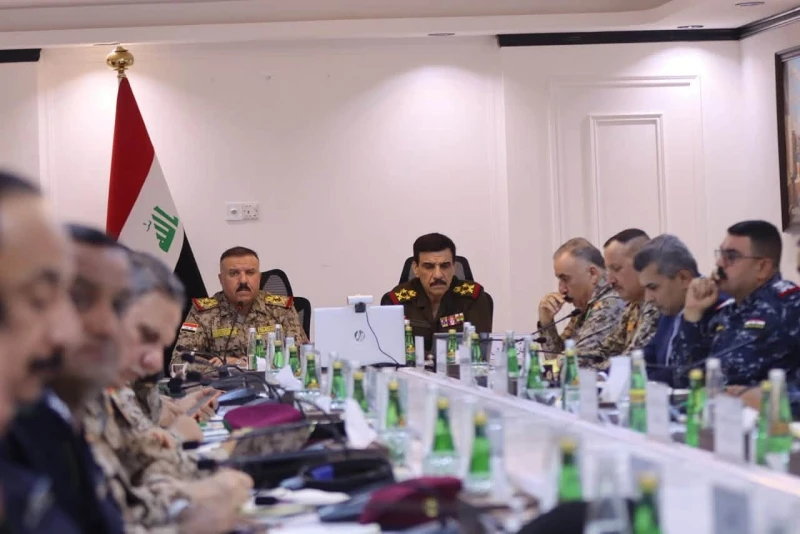
Meanwhile, Iraq’s energy police are set to take over the responsibility of protecting the oil pipelines in the area, and “the force currently holding the ground in that area is to be replaced by another unit” which will be designated by the premier, according to a statement from Zaidi’s office following a Wednesday meeting with the Supreme Committee for Security Sector Reform.
“The redeployment is being carried out in accordance with the directives of [Zaidi], under the supervision, follow-up, and coordination of his office,” the spokesperson said.
In addition, a command headquarters is set to be established, under the official decree of the premier, that will supervise and command the duties of the forces recently deployed to the area.
The security changes comes amid escalating tensions between Zaidi’s government and Iraq’s Iran-backed Kataib Hezbollah, which has maintained a stronghold in the area for years, following the release of a report by the Iraqi National Intelligence Service asserting that oil smuggling has been taking place in Jurf al-Nasr since 2021.
An investigative committee formed under Zaidi's direction confirmed that pipelines in the region were tampered with, leading government spokesperson Haider al-Aboudi on Monday to affirm that state security forces “will enter Jurf al-Nasr” and that “a deadline has been set for the withdrawal of Kataib Hezbollah.”
However, the group has proved recalcitrant, with senior commander Abu Taleb al-Saidi on Tuesday telling the AFP news agency that they will not leave, “not even over our dead bodies.”
Despite fears of potential violence, Kataib Hezbollah on Tuesday vowed that the prospect of armed clashes “will not come to pass,” though accusing Zaidi and other “ambitious politicians” of seeking to provoke an incident.
Restoring state control over Jurf al-Nasr is proving a major test for the Iraqi premier's ambitions to restrain the actions of pro-Iran groups.
Zaidi, who has made anti-corruption efforts a staple of his government, has received extensive criticism from the pro-Iran militia, with the group rejecting his dismissal of companies allegedly linked to armed factions from Mosul Airport and levelled accusations of financial impropriety toward Zaidi himself.
 Facebook
 LinkedIn
 Telegram
 X