
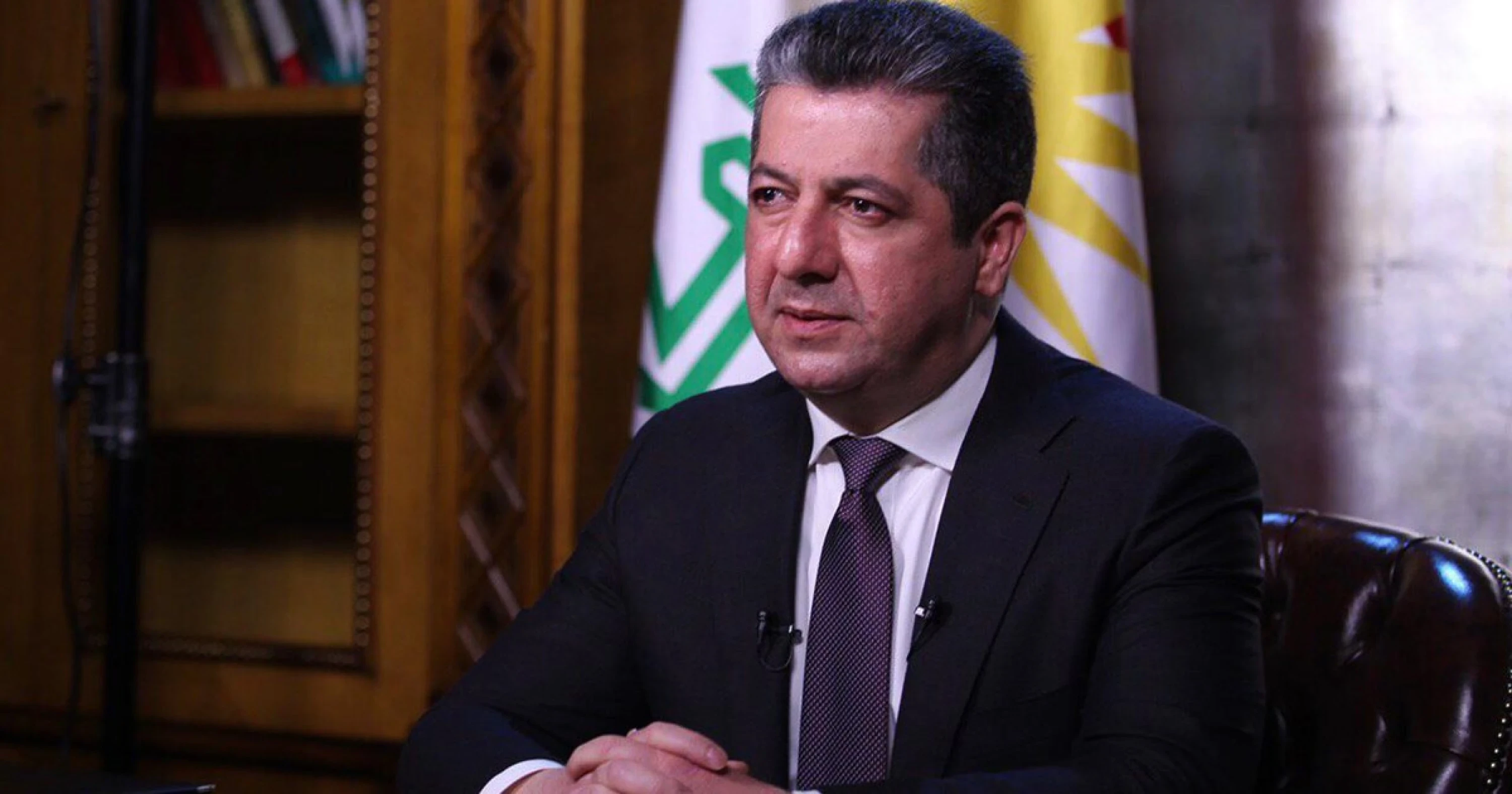
ERBIL, Kurdistan Region of Iraq – Kurdistan Region Prime Minister Masrour Barzani on Tuesday described as “unacceptable” a slew of directives by the Iraqi government regarding the Region, adding that the decision “contradicts” the contents of recent Erbil-Baghdad talks.
Iraqi Prime Minister Ali al-Zaidi on Tuesday directed Iraqi security forces to enter the Kurdistan Region and set up checkpoints across the Region’s provinces, and instructed Iraq’s Border Ports Authority to take control of the Region’s border crossings.
Zaidi’s instructions came without prior coordination, or even a notice, to Erbil, according to Barzani, who said that the statement by Zaidi’s military spokesperson Sabah al-Numan had caught him by “surprise”.
“We were surprised by the statement that was issued today, because it contradicts the content of the discussions that we have had with Baghdad authorities,” the Kurdish premier told reporters in Erbil.
“What has been done today is very surprising and it is unacceptable,” he added.
Zaidi’s directives additionally include assuming control of the oil fields in disputed areas held by the Kurdistan Region, closing all unofficial crossings between the Region and neighboring countries, and closing all informal routes between federal and Kurdistan provinces.
The directive also tasks the engineering team at Zaidi’s office with “preparing designated areas at the entry checkpoints for Sulaimani, Erbil, and Duhok. These areas will host personnel from the Ministry of Oil, the Energy Police, and the National Security Service,” according to the statement from Numan.
Budget allocations, public sector salaries, domestic revenues, oil exports, and the implementation of the ASYCUDA customs system in the Kurdistan Region’s border crossings have remained a major point of contention between Erbil and Baghdad for several years.
Kurdistan Region Interior Minister Reber Ahmed said in late August that the two governments had resolved all outstanding customs disputes, and reached a “final agreement” on the implementation of the ASYCUDA customs system in the Region’s crossings.
Erbil is ready to continue dialogue with federal authorities, Barzani said, stressing, however that dialogue must be on the basis of “implementing the constitution and not on individual decisions.”
Speaking to The New Region, the premier said that Kurdish authorities "are willing and ready to cooperate" with both the Iraqi federal government and oil companies to ensure that the Region's natural resources are used "for the benefit of the entire population."
Baghdad's demand that all customs revenues be transferred to the federal treasury before a portion is returned to the Kurdistan Region has been a major sticking point toward an agreement between the two sides, and still continues to present a challenge.
Erbil has proposed instead to split the revenues upon entry, with Baghdad's and Erbil’s shares directly deposited into their respective accounts.
Amid the dispute, Baghdad imposed a trade embargo on the Kurdistan Region, restricted traders' access to US dollars, and established customs checkpoints between the Kurdistan Region and federal Iraq, limiting the movement of locally produced goods and exports.
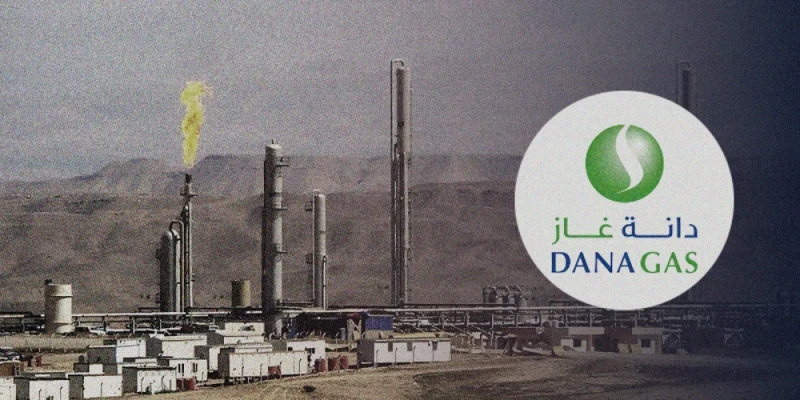
The Kurdistan Region’s energy infrastructure, particularly the Khor Mor gas field, which is the principal supplier of the Kurdistan Region’s electricity, was targeted earlier in November, slashing the Region’s electricity production capacity.
The field has repeatedly been targeted by forces undisclosed to the public. The UAE-based Dana Gas, which operated Khor Mor, has requested guarantees against the recurrent attacks before moving forward with repairing the facility and continuing production.
Asked whether a recent trilateral meeting between Erbil, Baghdad, and Dana Gas had resulted in an agreement, Barzani told The New Region that there has been “good progress.”
 Facebook
 LinkedIn
 Telegram
 X