
ERBIL, Kurdistan Region of Iraq – The Iraqi army has begun moving toward Kurdish-controlled oil fields in disputed provinces in an attempt to shut off alleged “secondary routes” in the area, senior security sources said on Thursday, amid growing tensions between Erbil and Baghdad.
Forces of the Iraqi army’s Joint Operations Command on Thursday began advancing toward the Qamar oil field in the disputed territories near Kifri, a senior Iraqi army official told The New Region’s correspondent.
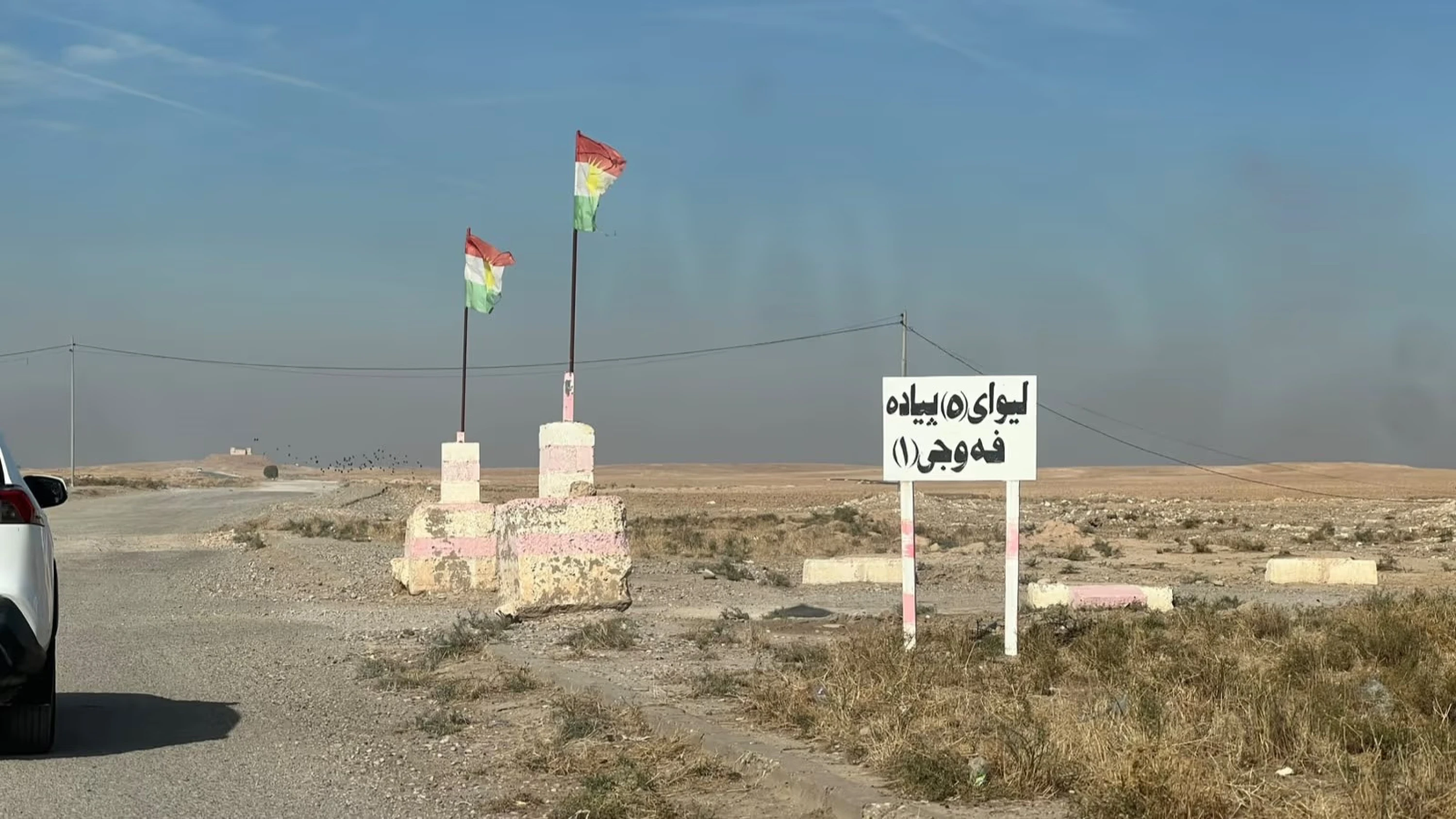
The field is located in Kifri district’s Kulajo, which marks the separation line between Iraqi and Kurdish-controlled territories.
The New Region has learned that the army’s moves are aimed at closing alleged “secondary routes and dirt roads” in the area, which Baghdad alleges are used for smuggling.
Meanwhile, Iraq’s Border Forces Command announced that forces have begun implementing Zaidi’s “directive to close all unofficial border crossings," commander Mohammed Sakar Al-Saidi told state media on Thursday.
The commander added that "efforts are underway, in line with official directives, to bring the administration of border crossings in the [Kurdistan] Region under the same centralized authority as all other border crossings.”
The developments come amid heightened tensions between the Iraqi federal government and the Kurdistan Regional Government (KRG) after Zaidi directed Iraqi forces to take over Kurdish-controlled oil fields in the disputed territories, establish checkpoints inside the Kurdistan Region, and take control of border crossings.
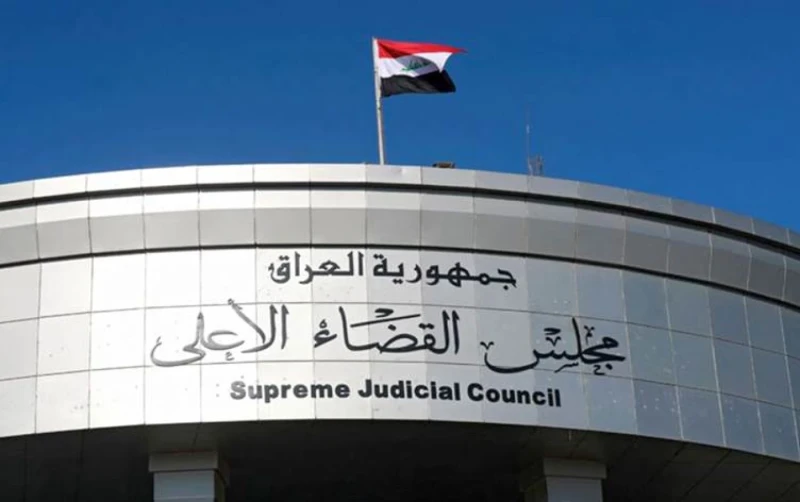
Kurdish authorities have vehemently condemned Zaidi’s move, deeming it a violation of the Kurdistan Region’s constitutional rights. On Wednesday, the Iraqi Federal Supreme Court ruled that Zaidi’s directives are “constitutional.”
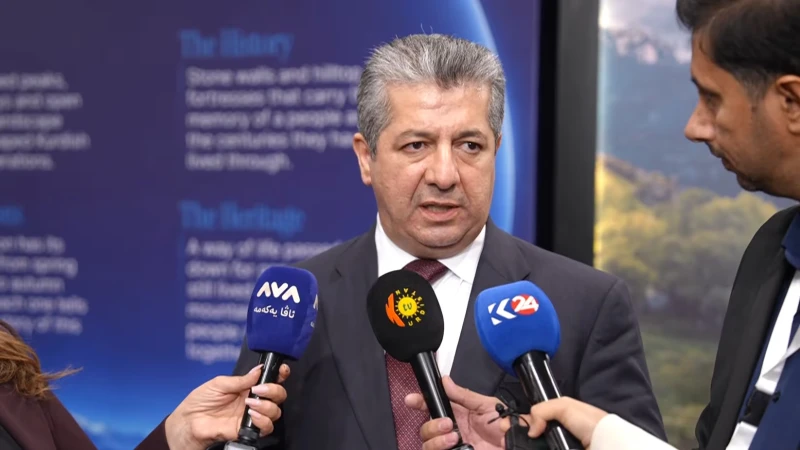
The Kurdistan Region’s Council of Ministers met on Wednesday, chaired by Prime Minister Masrour Barzani, and described the Iraqi government’s stated aim to expand control in the Region as “a dangerous sign,” calling for the full implementation of the 2005 constitution.
During the meeting, the KRG expressed its “deep concern and protest” against the statement issued by Zaidi’s military spokesperson, calling it “a violation of the constitution and constitutional rights of the Kurdistan Region.”
The KRG cabinet further rejected the use of military language and threats by Baghdad, saying it signals “a premeditated and long-standing plan against the constitutional structure of the Kurdistan Region.”
 Facebook
 LinkedIn
 Telegram
 X