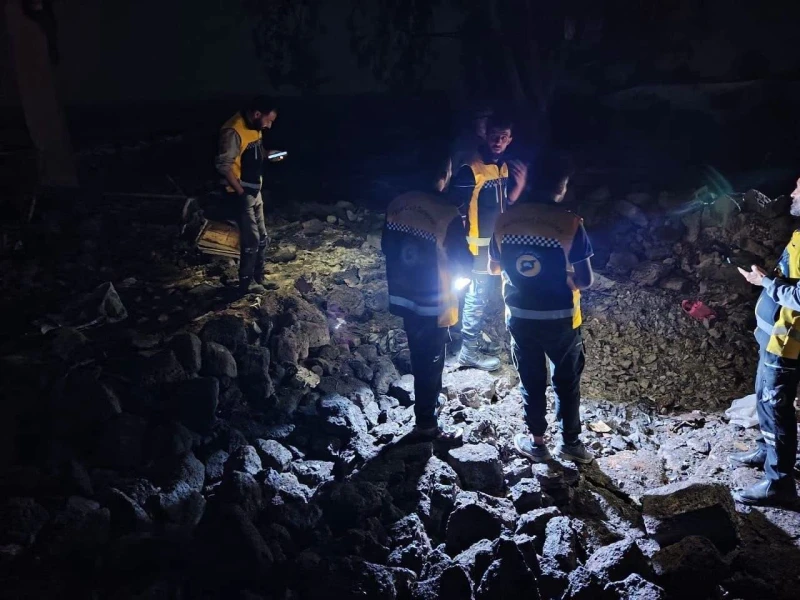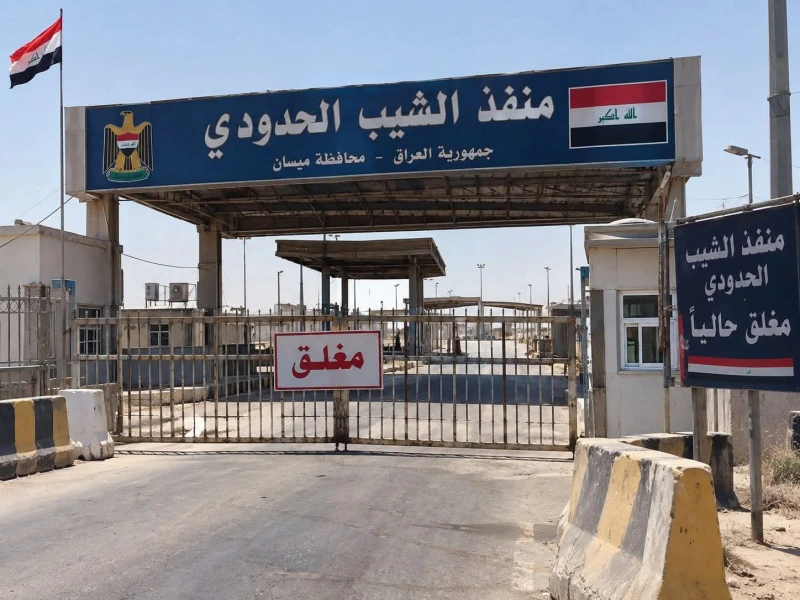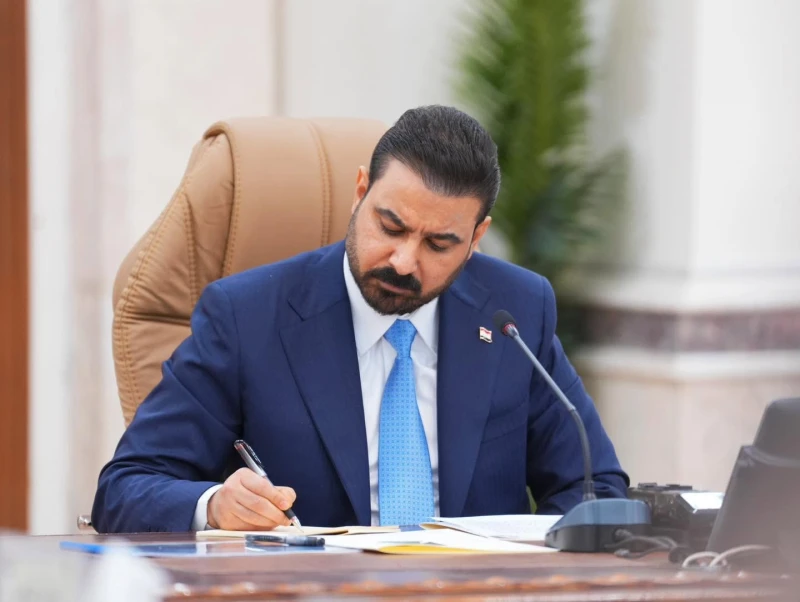

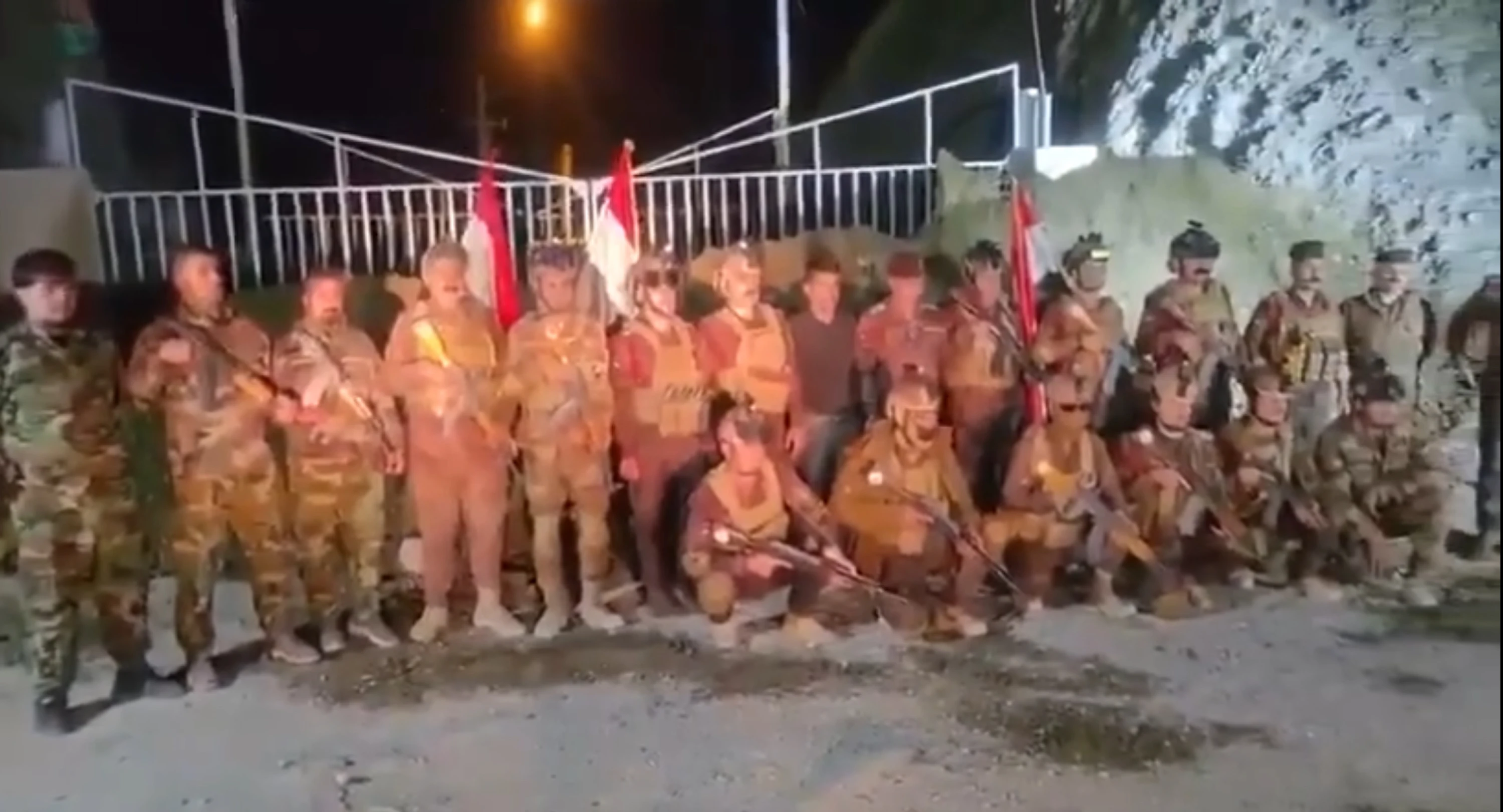
ERBIL, Kurdistan Region of Iraq – Iraqi border forces closed several border crossings held by the Kurdistan Regional Government (KRG) on Thursday, following a directive by Prime Minister Ali al-Zaidi ordering the closure of all unofficial crossings throughout the country.
On Tuesday, Zaidi instructed Iraq’s Border Ports Authority to take control of the Kurdistan Region’s border crossings, and close all unofficial crossings with neighboring countries, including those in the Kurdistan Region.
According to information obtained by The New Region, Iraq moved to temporarily close the semi-official Sartak-Pishta crossing with Iran in Halabja province, sending its staff home until further notice.
“We received an order from Baghdad to close the crossing temporarily for now, until this situation that has arisen is resolved,” a source from the crossing told The New Region.
The Waleed crossing between Iraq and Syria, located in the north of Nineveh’s Rabia town, was also closed, Iraqi Border Forces Commander Mohammed Abdul Wahab Sukkar al-Saidi told state media, also confirming the closure of the Sartak-Pishta crossing.
“Both crossings were under the administration of the Kurdistan Region,” he said.
Meanwhile, the northeast Syria-based North Press Agency (NPA) reported that the Kurdistan Region had suspended commercial traffic through the Semalka-Faysh Khabu border crossing, “until further notice.”
A local source also told Iraqi state media that “there are expectations that the Shushme border crossing will also be closed in the coming days.” The crossing is also located in Halabja.
Kurdish authorities have vehemently condemned Zaidi’s recent decisions, deeming them a violation of the Kurdistan Region’s constitutional rights. On Wednesday, the Iraqi Federal Supreme Court ruled that Zaidi’s directives are “constitutional.”
The Kurdistan Region’s Council of Ministers held a meeting on Wednesday, chaired by Prime Minister Masrour Barzani, describing the Iraqi government’s stated aim to expand control in the Region as “a dangerous sign,” and calling for the full implementation of the 2005 constitution.
On Thursday, Barzani said in a meeting that Kurds will not give up their constitutional rights, while affirming the Region’s readiness to resolve outstanding disputes “through dialogue.”
 Facebook
 LinkedIn
 Telegram
 X