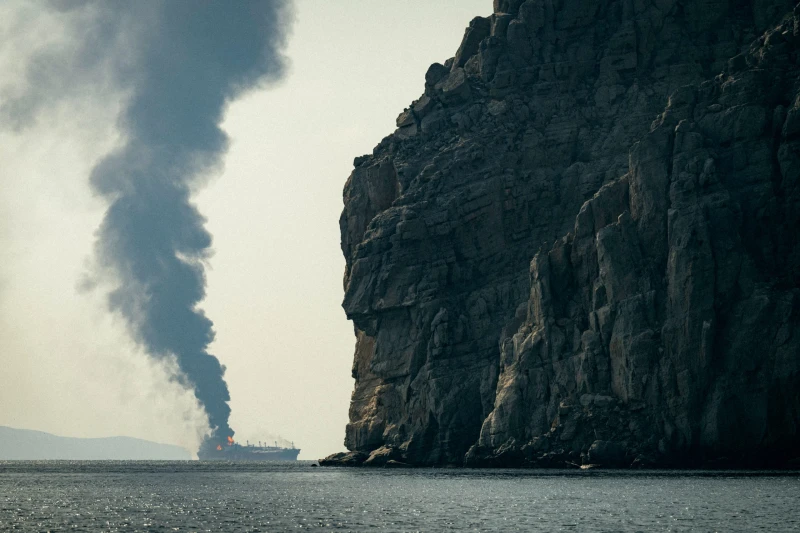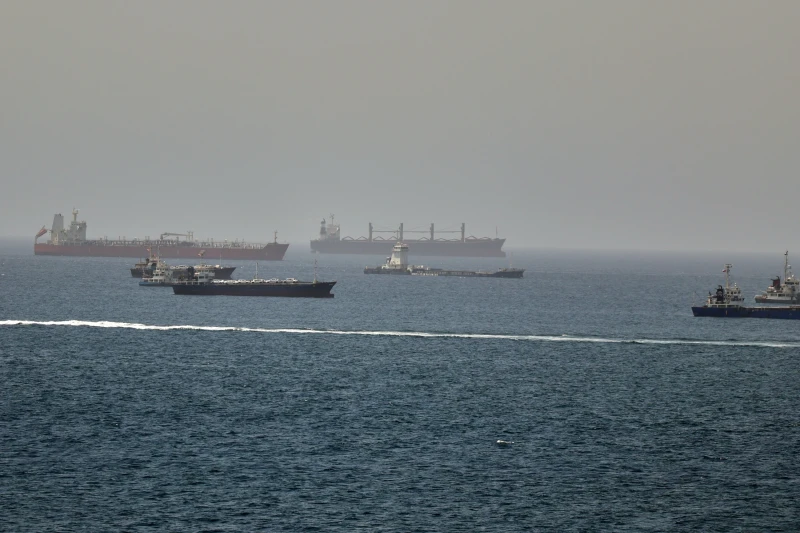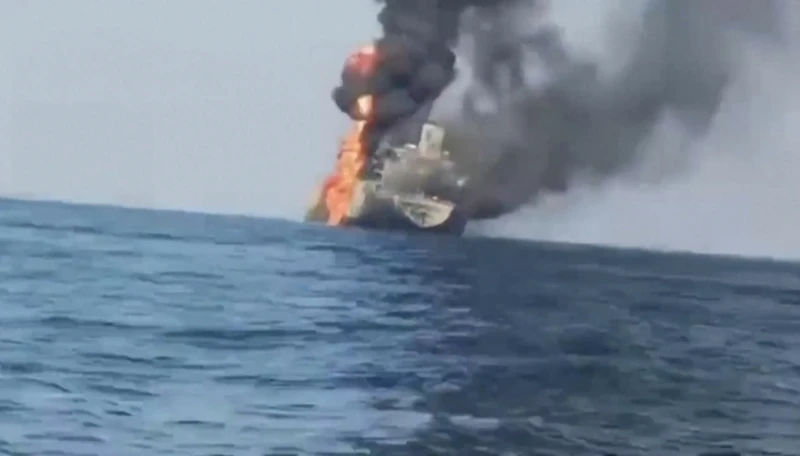

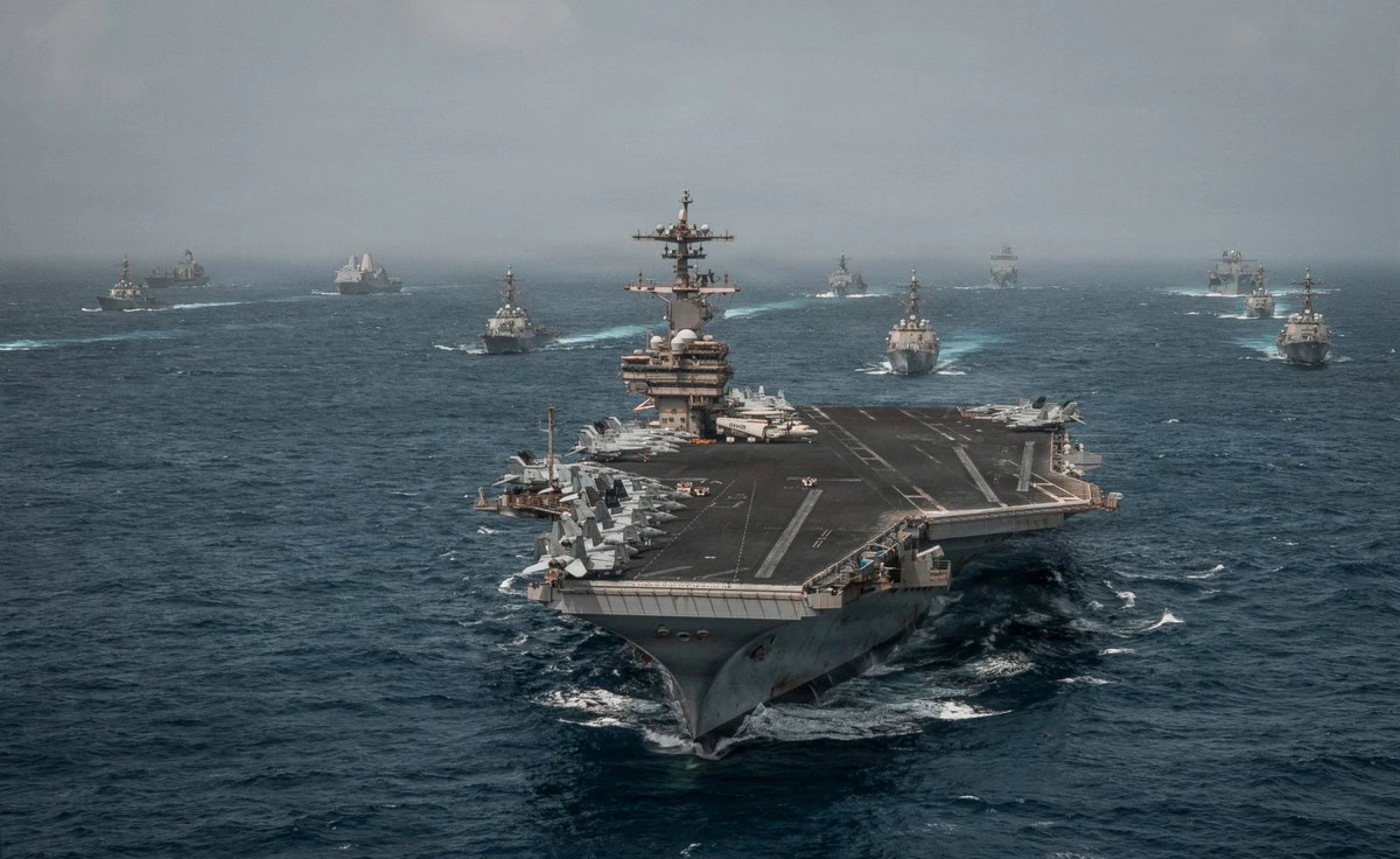
ERBIL, Kurdistan Region of Iraq – US Central Command (CENTCOM) on Saturday rejected claims by an Iranian military commander that Iran had struck the USS Abraham Lincoln aircraft carrier, regained control of oil tankers from US forces, and that Washington had charged ships millions of dollars to transit the Strait of Hormuz.
Iranian navy commander Shahram Irani said in a speech before Friday prayers in Tehran that during the first day of the US-Israeli war on Iran, “our comrades fired a missile at the USS Abraham Lincoln, which hit its target and struck the enemy's body,” the semi-official Mehr news agency reported.
“The Abraham Lincoln Carrier Strike Group was well defended and never struck by Iran as a result,” CENTCOM wrote on X, rejecting “multiple FALSE claims concerning US Forces over the past 24 hours” by an Iranian military commander.
The command also said the carrier strike group had completed a “historically successful combat deployment to the Middle East” and returned “safely” to the US.
Irani also claimed that during the war, Iranian naval forces regained control of two oil tankers from US forces in a “special operation,” with American personnel aboard the vessels reportedly apprehended “while they were asleep.”
“Iran no longer has a navy. The entire situation the Iranian military commander described is another fabricated lie,” CENTCOM wrote.
Irani also accused Washington of charging vessel owners millions of dollars to facilitate their passage through the Strait of Hormuz, while refusing to refund them when their ships came under attack.
“There is no toll for passing ships,” CENTCOM responded, adding that the US and its allies “do control” the strait and have “restored freedom of navigation through the international waterway.”
“Thousands of ships and billions of crude oil barrels have transited the strait freely and safely under US protection despite unwarranted Iranian aggression,” it added.
On November 14, CENTCOM said it had escorted 1.7 billion barrels of oil shipped through the waterway by Gulf partners, having exerted substantial efforts to protect commercial traffic and prevent vessels from acceding to Iranian route demands.
Tehran moved to restrict passage through the strait following the outbreak of the US-Israeli military campaign against Iran in February. US forces later imposed a counter-blockade.
Washington and Tehran reached a Memorandum of Understanding (MoU) on June 17 to end hostilities and resume negotiations for 60 days. A key Washington condition in the MoU was free navigation in the strait. The deal fell apart only 21 days later after CENTCOM said Iranian forces had attacked a Cyprus-flagged ship in the Strait of Hormuz.
 Facebook
 LinkedIn
 Telegram
 X