
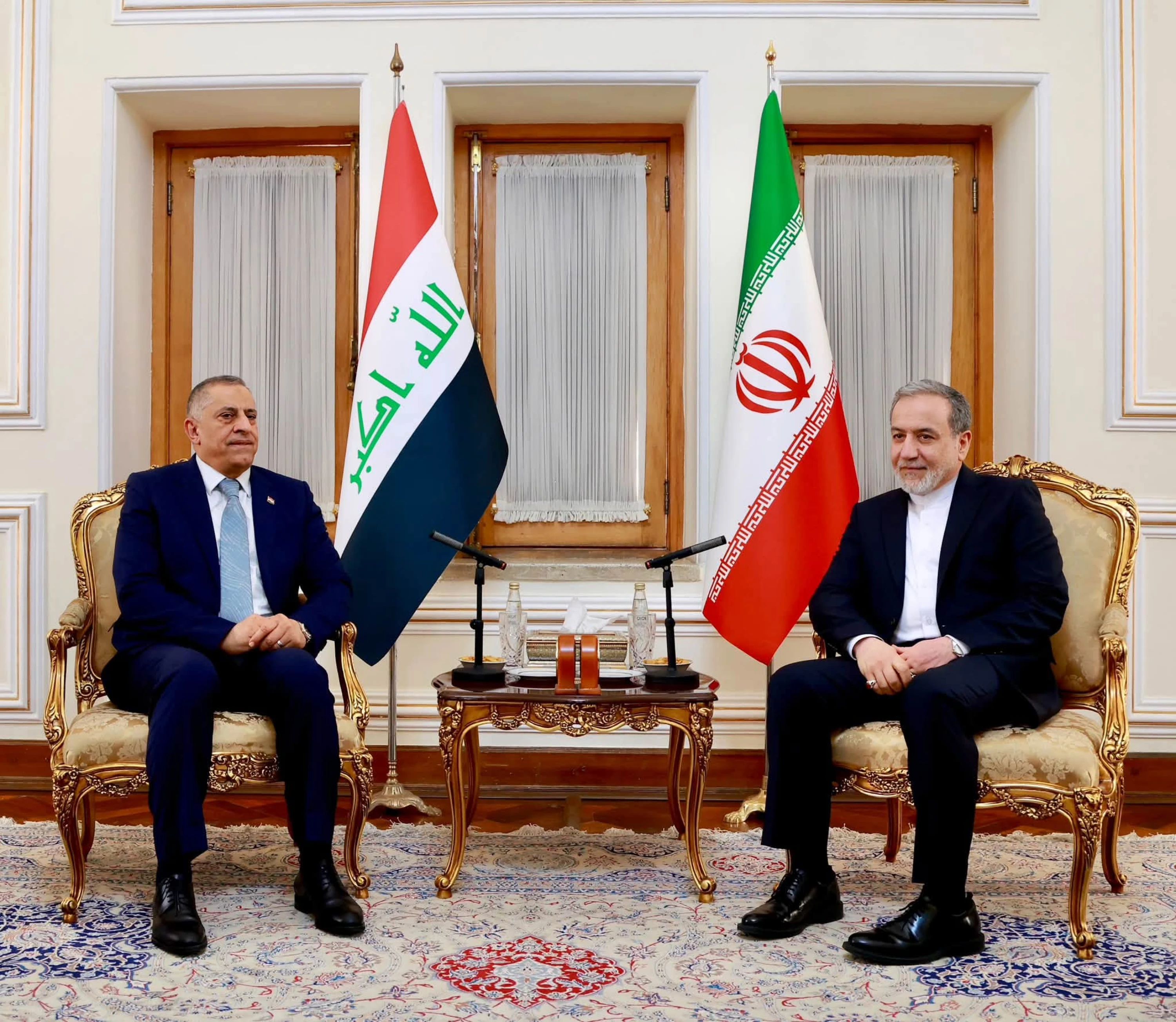
ERBIL, Kurdistan Region of Iraq – Iraqi National Security Advisor Qasim al-Aboudi and Iranian Foreign Minister Abbas Araghchi met in Tehran on Sunday to discuss border security amid the closure of several crossings along the two countries’ shared border.
Aboudi arrived in Tehran on Saturday for a series of meetings with Iranian leaders and officials.
According to a statement from Aboudi’s office, the two discussed security at Iraq’s border crossings and Prime Minister Ali al-Zaidi’s recent directives to bring border crossings under government control and close unofficial crossings with neighboring countries.
Both sides expressed their commitment “to maintaining ongoing communication and fostering bilateral relations,” the statement added.
The development comes amid a wider push by Zaidi’s government to expand control over areas under the Kurdistan Regional Government (KRG). The order has led to the closure of the semi-official Shushme and Sartak-Pishta crossings between the Region and Iran.
Kurdish authorities have vehemently condemned Zaidi’s recent decisions, deeming them a violation of the Kurdistan Region’s constitutional rights.
“Iraq will not permit its territory or airspace to be used as a launchpad to threaten the security or stability of any neighboring state or country in the region,” Aboudi said, reaffirming Baghdad’s commitment to “establish balanced relations rooted in mutual respect and good neighborliness.”
Since the outbreak of the US-Israeli war on Iran in February, Iraq and mainly the Kurdistan Region have been targeted by hundreds of drones and missiles allegedly launched by Tehran and pro-Iran Iraqi militia groups, citing the presence of opposition groups and US-linked bases in the country.
Meanwhile, the Kurdistan Region continues to be targeted, despite the warring parties having significantly wound down their attacks.
Araghchi, for his part, stressed that “preventing third parties and terrorist elements from using a country’s territory to launch attacks or acts of aggression against another nation is an international legal obligation; it is also an expectation that one friendly neighbor holds of another,” according to a statement from the Iranian foreign ministry.
He also expressed satisfaction with the cordial relations between Iran and Iraq across areas of mutual interest, adding that maintaining security along their shared border was “a fundamental factor binding the two nations together.”
Baghdad has recently shuttered several border crossings with Iran, including Maysan’s al-Shib crossing that was indefinitely closed in late October. Iraqi officials cited “rehabilitation works” for the closure, while international reports claimed it was due to pressure from Washington.
 Facebook
 LinkedIn
 Telegram
 X